Navigating the Late-Summer Backlash
The head of data centers at OpenAI has reportedly resigned from their position. This departure marks a significant personnel change for the leading artificial intelligence company. The move comes during a period of intense scrutiny regarding infrastructure expansion. Industry observers note the timing aligns with growing public resistance. Critics argue that massive energy consumption and noise pollution have become major concerns. The executive’s exit highlights the pressure facing tech leaders managing physical assets. It underscores the difficulty of balancing rapid growth with community expectations. This leadership shift may influence how OpenAI approaches future facility construction projects.
Breaking news
 Canonical’s Web Presence Hit by Second DDoS Assault This Year
 Loops AI Secures $3.5 Million to Power a New AI Operating System for E‑Commerce
 Winverse AI Secures Tens of Millions in Seed Funding from DeepSeek and Long‑Z
 Google Adds Pixel 9 Series to Certified Refurbished Store
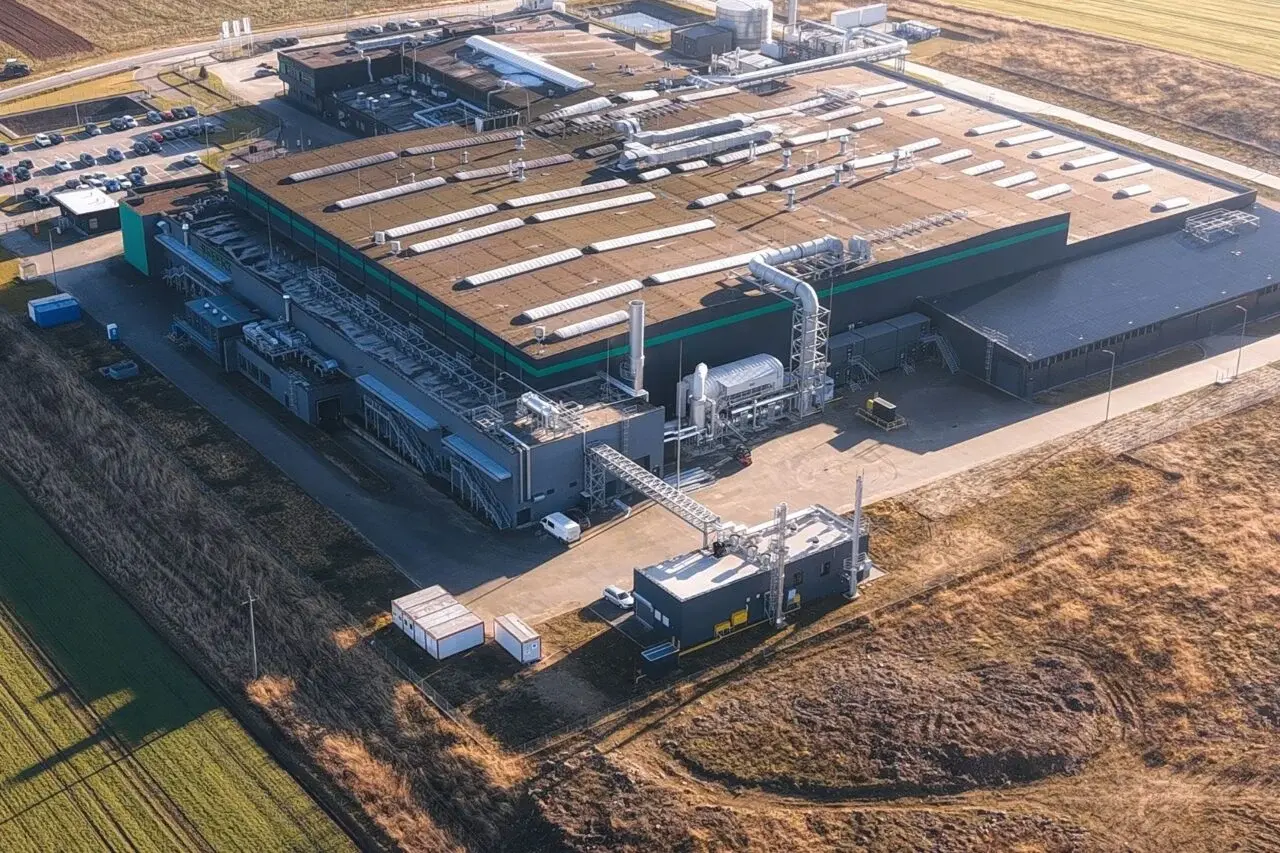
A recent report from Politico outlined the intensifying opposition to new data center builds. The article described a late-summer backlash that has sparked anxiety within the tech sector. Fears of regulatory hurdles and local protests have driven this sentiment. Companies are now reevaluating their strategies for physical expansion. The backlash stems from environmental impacts and resource usage. Communities near proposed sites are voicing stronger objections than before. Tech executives must now navigate these social and political headwinds. The resignation suggests that internal challenges mirror external pressures. Leaders are struggling to maintain momentum while addressing stakeholder concerns. This dynamic creates a complex environment for infrastructure planning teams.
Why Infrastructure Leadership Is Under Scrutiny
The role of overseeing data centers has become increasingly difficult. Public perception of large-scale computing facilities has shifted negatively. Noise, heat, and power demands are central complaints. OpenAI faces specific challenges due to its rapid model development needs. The company requires vast computational resources to train advanced systems. However, securing these resources without friction is proving harder. The departing executive likely faced mounting operational hurdles. Balancing technical requirements with community relations is a delicate task. Other firms are watching this transition closely. They seek insights into how OpenAI will manage its infrastructure going forward. The outcome could set a precedent for the broader AI industry.
Who was the head of data centers at OpenAI? The specific identity of the executive was not detailed in the provided summary. The source confirms that the person leading this division has left the company. Their departure signals a strategic adjustment in OpenAI’s infrastructure management.
Frequently Asked Questions
Why is there a backlash against data centers? Public opposition has grown due to concerns over energy use and noise. Local communities are resisting new construction projects near residential areas. This late-summer wave of criticism has caused panic among tech leaders.
How does this affect OpenAI’s operations? The change in leadership may slow down or alter infrastructure plans. OpenAI must find a new leader who can navigate these challenges. The company continues to rely on data centers for its core AI development efforts.