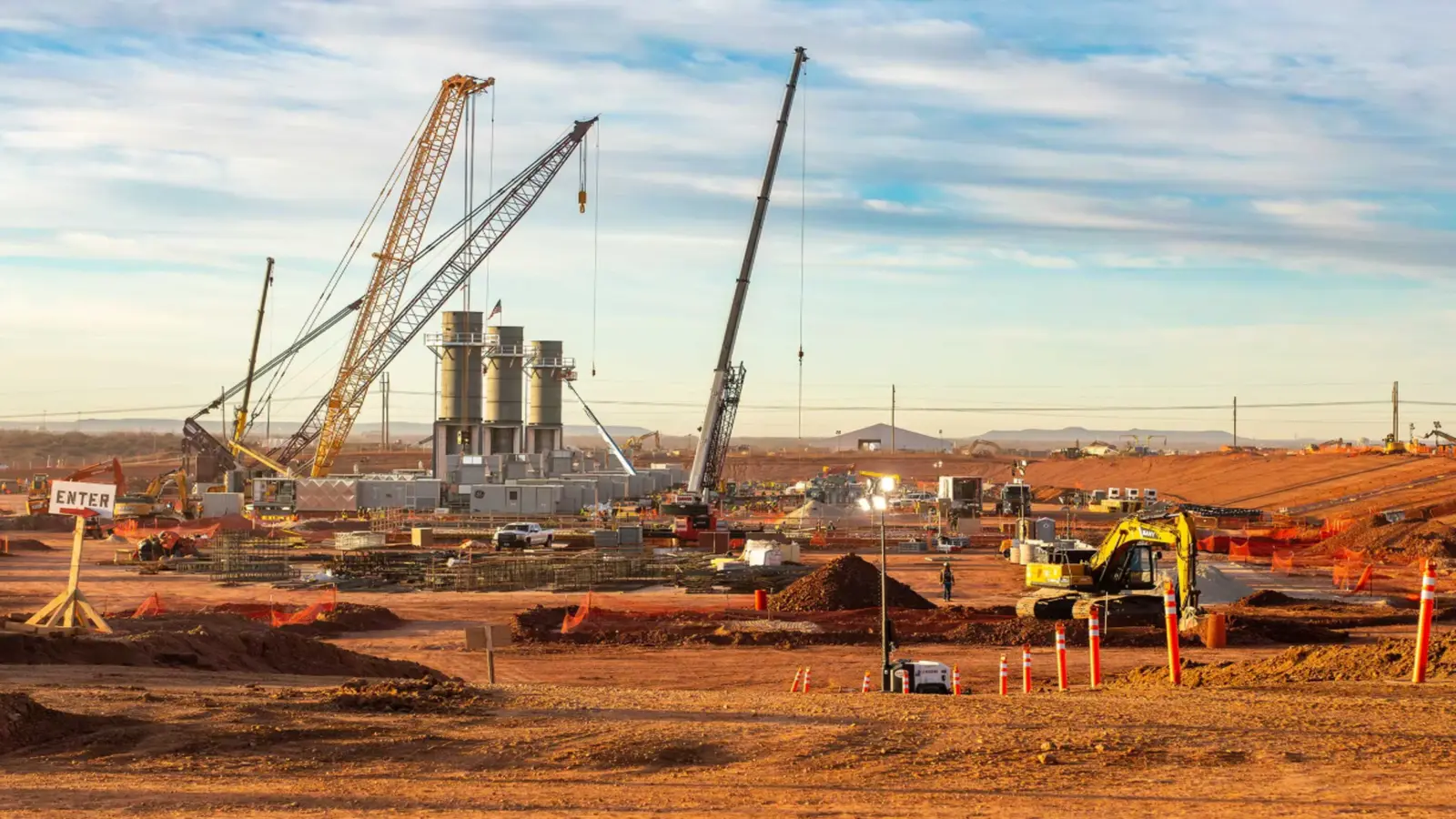
From Data Hubs to Compute Campuses: What the Change Means
OpenAI is exploring a rebrand for its massive data‑center facilities, proposing to call them „AI compute campuses.” The move comes as the company faces growing scrutiny over the energy consumption of its AI models and rising electricity costs across the United States. Executives say the new label could help reshape how the public perceives the infrastructure behind ChatGPT and other services, especially as political debate over AI intensifies.
Breaking news
 Sumary Raises €22 Million to Scale AI Accounting Platform Across Europe
 OpenAI Overhauls ChatGPT Ads Bidding Model
 Adobe Brings AI Marketing Agent to GenStudio for All Existing Customers
 Fable 5.2 Completes 41.3% of Freelance Projects at Professional Quality
The proposal is part of a broader strategy to improve the company’s image while it expands its computing capacity. OpenAI’s „Stargate Project,” a multi‑year plan to add roughly 10 gigawatts of AI‑focused power by 2029, is already halfway complete. Critics argue that the term „data center” evokes images of sprawling, power‑hungry facilities, which fuels opposition from environmental groups and lawmakers. By adopting „compute campus,” OpenAI hopes to suggest a more integrated, perhaps greener, approach to AI hardware. The rebrand would be rolled out across its largest sites, which currently sit in regions with cheap electricity but are increasingly subject to public and regulatory pressure.
OpenAI’s leadership believes the new terminology can convey a sense of purpose beyond raw computing. „A campus implies community, research, and sustainability,” said a senior spokesperson, who asked to remain anonymous. The company plans to pair the rename with visible upgrades: solar arrays, waste‑heat recycling, and partnerships with local utilities to offset carbon footprints. Internally, engineers are already redesigning floor plans to separate high‑density GPU clusters from support services, mirroring university‑style campuses.
Will Renaming Data Centers Really Improve Public Perception?
The shift also aligns with OpenAI’s broader outreach efforts. By framing its facilities as campuses, the firm hopes to attract talent, foster collaborations with academic institutions, and mitigate the narrative that AI development is a secretive, energy‑draining endeavor. Early feedback from community leaders in the areas surrounding the sites has been cautiously optimistic, noting potential economic benefits if the campuses become hubs for tech education and job training.
Skeptics question whether a name change can mask the underlying environmental impact. Environmental watchdogs point out that the total projected power draw—10 GW by 2029—remains massive, regardless of branding. They argue that transparency about energy sources and concrete sustainability metrics will matter more than a semantic tweak.
OpenAI acknowledges the challenge. The company has pledged to publish quarterly reports on energy usage, renewable sourcing, and heat‑recovery initiatives. If those figures show measurable progress, the „compute campus” label could gain credibility. Otherwise, critics warn it may be dismissed as greenwashing, potentially prompting stricter regulation or higher taxes on AI‑related energy consumption.
The rebranding effort underscores a larger trend: AI firms are increasingly aware that public trust hinges on how they present their infrastructure. Whether the new name sticks will depend on OpenAI’s ability to back it up with tangible environmental improvements and community engagement.
Frequently Asked Questions
Why does OpenAI want to rename its data centers? The company hopes the term „AI compute campus” will soften negative perceptions about energy use and present its facilities as collaborative, sustainable hubs rather than mere power‑hungry warehouses.
What is the Stargate Project’s goal? Stargate aims to install about 10 GW of AI‑focused computing power by 2029, roughly half of which is already in place. The expansion supports the growing demand for large language models and other AI services.
How will the rebrand affect local communities? OpenAI plans to integrate renewable energy sources, recycle waste heat, and create training programs, potentially bringing jobs and educational opportunities to areas surrounding the campuses.