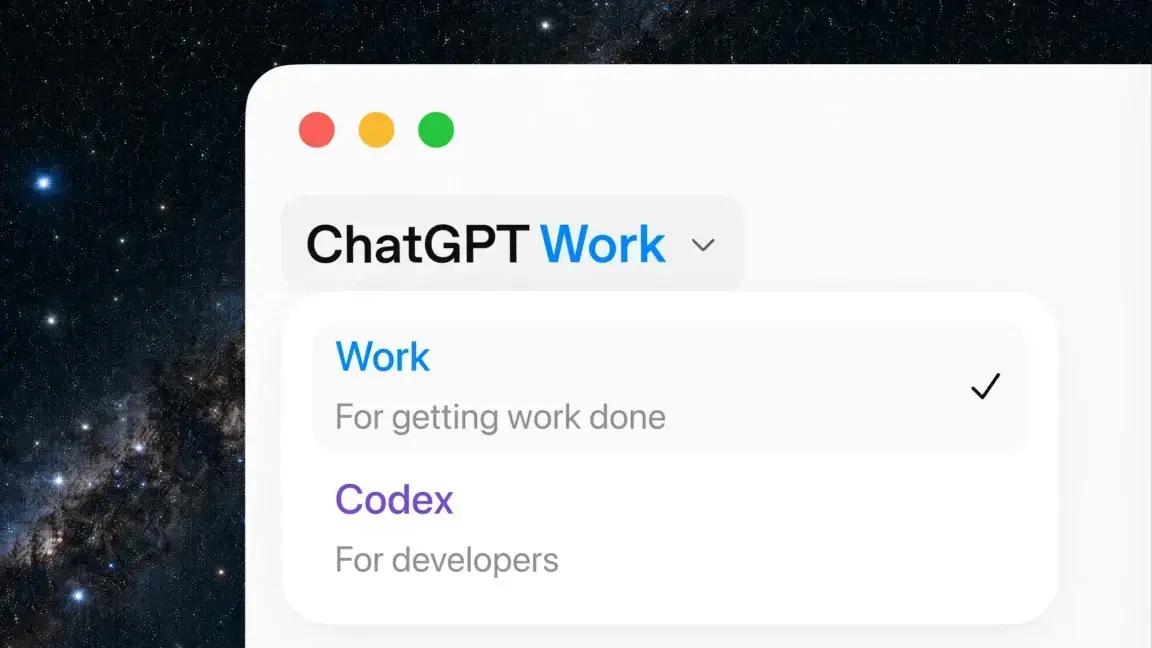
AI Takes on Extended Tasks
OpenAI has introduced a powerful new artificial intelligence tool designed to handle tasks independently. This rebranded system, formerly known as Codex, promises to revolutionize how work is completed. It can manage complex operations for extended periods, potentially running for hours without human intervention.
Breaking news
 Town AI Secures $108 Million Series B, Valued at $1 Billion After $55 M Pre‑Series
 Apple Prepares for Major Product Launch Event on October 28
 Apple Releases Release Candidates for watchOS, tvOS and visionOS 27.2
 Apple Limits iPhone Duo and iPhone 18 Pro Max to Reservation-Only Sales in Japan and South Korea
The technology aims to integrate seamlessly into daily professional routines. It offers a new paradigm for productivity, allowing the AI to act as a collaborative partner or an independent agent. This development signals a significant leap in AI's capability to execute multi-step processes.
How Will This AI Change Daily Work?
The core innovation lies in the AI's ability to sustain workflows over long durations. Previously, AI models often required frequent human prompts or checks. This new iteration can maintain focus and complete multi-part projects autonomously. It is built to understand and execute intricate instructions, adapting as needed. This capability could free up human workers from repetitive or time-consuming tasks.
This advanced AI is expected to transform various industries. It could automate data analysis, code generation, and content creation on an unprecedented scale. Businesses might see increased efficiency and reduced operational costs. Employees could then focus on more strategic and creative endeavors. The tool is designed to work both for you and alongside you, offering flexible integration into existing systems. Its independent operation for hours at a time marks a significant shift in AI utility. This could lead to entirely new ways of structuring work and team collaboration.
Frequently Asked Questions
What is the primary function of OpenAI's new AI tool? The tool is designed to perform work tasks independently and collaboratively. It can manage complex workflows for extended periods, potentially hours, without constant human oversight.
How does this AI differ from previous versions? Its main distinction is the ability to run independent workflows for long durations. Earlier AI models often required more frequent human interaction and supervision to complete multi-step tasks.