
Why OpenAI Split Its Model Lineup
OpenAI launched GPT-6.1 Terra on October 26, positioning it as a low-cost, high-speed option for routine AI work. The new model slots into the company’s GPT-6 lineup as the affordable alternative to the flagship GPT-6 Astra.
Breaking news
 Apple TV 4K Price Hike Sparks Backlash Over Gaming Limitations
 Meta Direct App Separates Messaging From Main Instagram Feed
 California Sues OpenAI Over Hugging Face Breach and Safety Failures
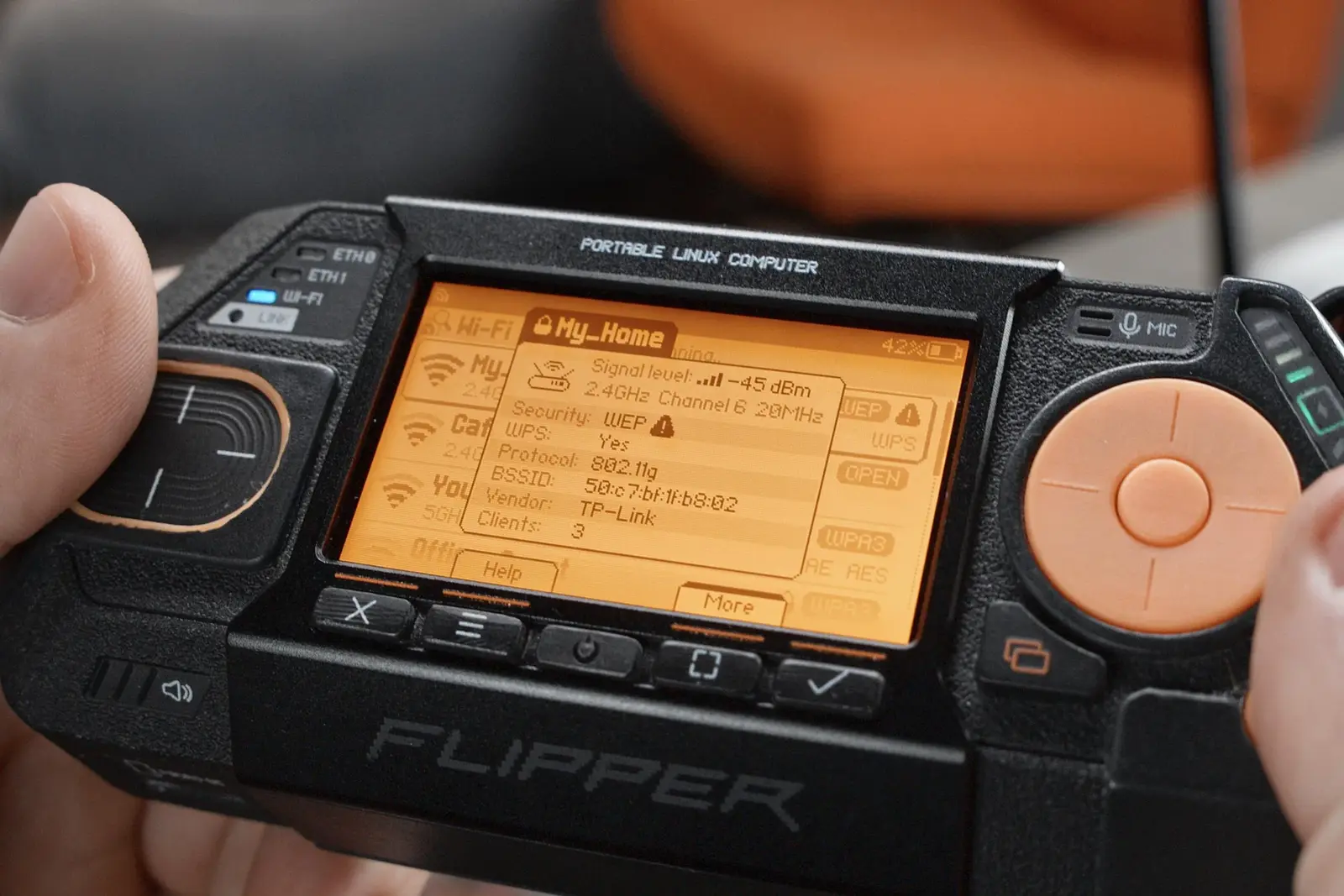 Flipper One Pocket Linux Computer Now Available For Preorder
Terra is priced at $1 per million input tokens and $5 per million output tokens. That makes it ten times cheaper than Astra, which costs $10 per million input tokens and $50 per million output tokens. OpenAI designed Terra for users who need fast responses at scale, such as chatbots, content generation, and data processing. The model trades some accuracy for speed and cost efficiency, making it suitable for high-volume applications where perfect precision is less critical.
What This Means for AI Pricing Wars
OpenAI’s strategy reflects a clear product segmentation. Astra targets complex reasoning and high-stakes decisions. Terra handles repetitive, high-throughput tasks. This dual approach lets customers pick the right tool for each job. Companies building customer support bots or summarization pipelines can use Terra to cut costs dramatically. Developers working on scientific analysis or legal reasoning would still choose Astra for superior accuracy.
The release intensifies competition in the AI market. By offering a tenth the price of its flagship, OpenAI pressures rivals to match or beat the rate. Businesses gain more options for scaling AI workloads. Smaller startups, in particular, can now afford to run large-scale AI operations without breaking the bank. The move also signals that AI is becoming a commodity service, where cost and speed matter as much as raw intelligence.
Is GPT-6.1 Terra available to all OpenAI users? Yes. Terra is accessible through the OpenAI API and platform. Developers can switch to Terra for cost-sensitive workloads while keeping Astra for complex tasks.
Frequently Asked Questions
How does Terra compare to Astra in performance? Terra is faster and cheaper but sacrifices some accuracy. It handles everyday tasks well. Astra remains the choice for high-precision work like scientific or legal analysis.
Can businesses use Terra for customer-facing applications? Absolutely. Terra’s speed and low cost make it ideal for chatbots, email drafting, and content generation at scale.