Why Local AI Offers More Than Just Privacy Benefits
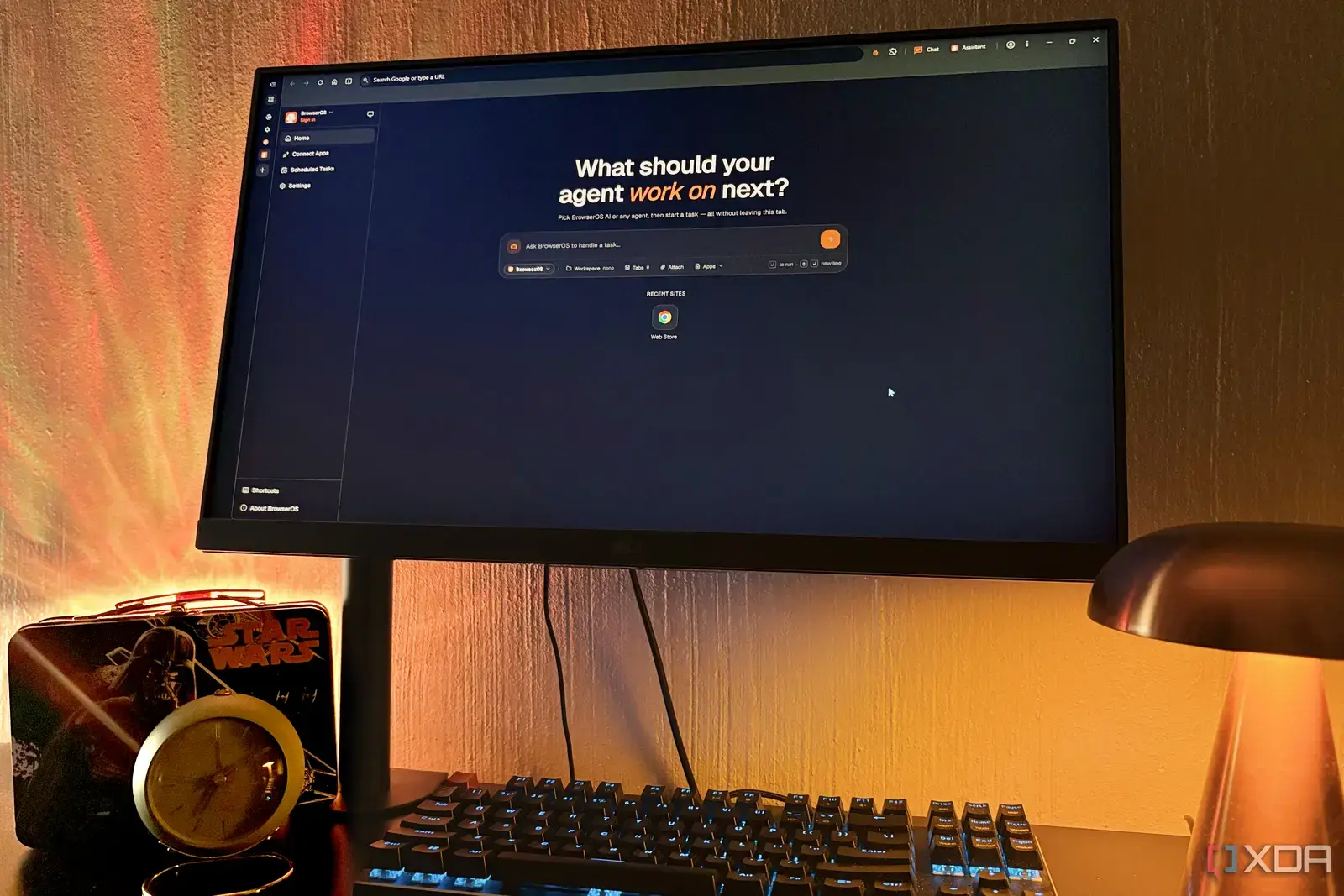
In September 2026, Nolen Jonker, a technology writer with experience at MakeUseOf, decided to abandon cloud-based AI tools after OpenAI discontinued its Atlas service. The move came as a realization that relying on external AI platforms carries inherent risks due to their potential for sudden discontinuation. Jonker shifted to a locally hosted AI browser setup, citing greater control and long-term reliability as key motivations. The change was made after years of using cloud services that eventually became unavailable.
Breaking news
 Town AI Secures $108 Million Series B, Valued at $1 Billion After $55 M Pre‑Series
 Apple Prepares for Major Product Launch Event on October 28
 Apple Releases Release Candidates for watchOS, tvOS and visionOS 27.2
 Apple Limits iPhone Duo and iPhone 18 Pro Max to Reservation-Only Sales in Japan and South Korea
The decision followed growing frustration with the instability of cloud AI offerings, which can be altered or removed without warning. Jonker noted that while tools like Atlas provided convenience, their dependence on corporate roadmaps made them unsuitable for sustained personal or professional use. By switching to a local setup, Jonker gained the ability to run AI models directly on personal hardware, eliminating reliance on third-party servers. This approach ensures continued access regardless of corporate decisions or service changes, a factor that became critical after Atlas was shut down.
How Soon Should Users Consider Making the Switch?
Beyond data privacy, local AI implementations provide consistent performance and customization options that cloud services often lack. Jonker explained that running models locally allows for fine-tuning to specific workflows, something difficult to achieve with generic cloud APIs. The setup also avoids latency issues tied to internet connectivity and external server load. Over time, the initial investment in hardware and configuration pays off through uninterrupted access and reduced long-term costs. Jonker emphasized that the shift was not just about avoiding discontinuation but about building a sustainable, self-sufficient AI environment.
Jonker advises that users should evaluate local AI options before becoming dependent on any single cloud service. Waiting until a tool is discontinued, as happened with Atlas, can disrupt projects and workflows unnecessarily. Early adoption of local solutions allows time to learn the technology, optimize configurations, and integrate it smoothly into daily use. The writer regrets not making the change sooner, noting that the transition was easier than anticipated once undertaken. Proactive migration, Jonker argues, prevents future frustration and ensures continuity in AI-assisted tasks.
What caused the shift from cloud to local AI? The discontinuation of OpenAI’s Atlas service highlighted the unreliability of depending on external AI platforms that can be shut down without notice.
Frequently Asked Questions
Is setting up local AI difficult for non-technical users? While initial setup requires some technical effort, many user-friendly tools now simplify the process, making it accessible even for those without deep expertise.
Does local AI perform as well as cloud-based alternatives? Performance depends on hardware, but modern consumer devices can run capable models efficiently, often matching or exceeding the responsiveness of cloud services for personal use.
