The Role of Laser Technology in Scaling Infrastructure
The global market for data center optical interconnects is projected to surge to $144.4 billion by 2030. This represents a significant jump from the $13.7 billion valuation recorded in 2024. According to a recent industry report, this trajectory reflects a compound annual growth rate of 48.1 percent as demand for high-speed connectivity intensifies.
Breaking news
 Canonical’s Web Presence Hit by Second DDoS Assault This Year
 Loops AI Secures $3.5 Million to Power a New AI Operating System for E‑Commerce
 Winverse AI Secures Tens of Millions in Seed Funding from DeepSeek and Long‑Z
 Google Adds Pixel 9 Series to Certified Refurbished Store
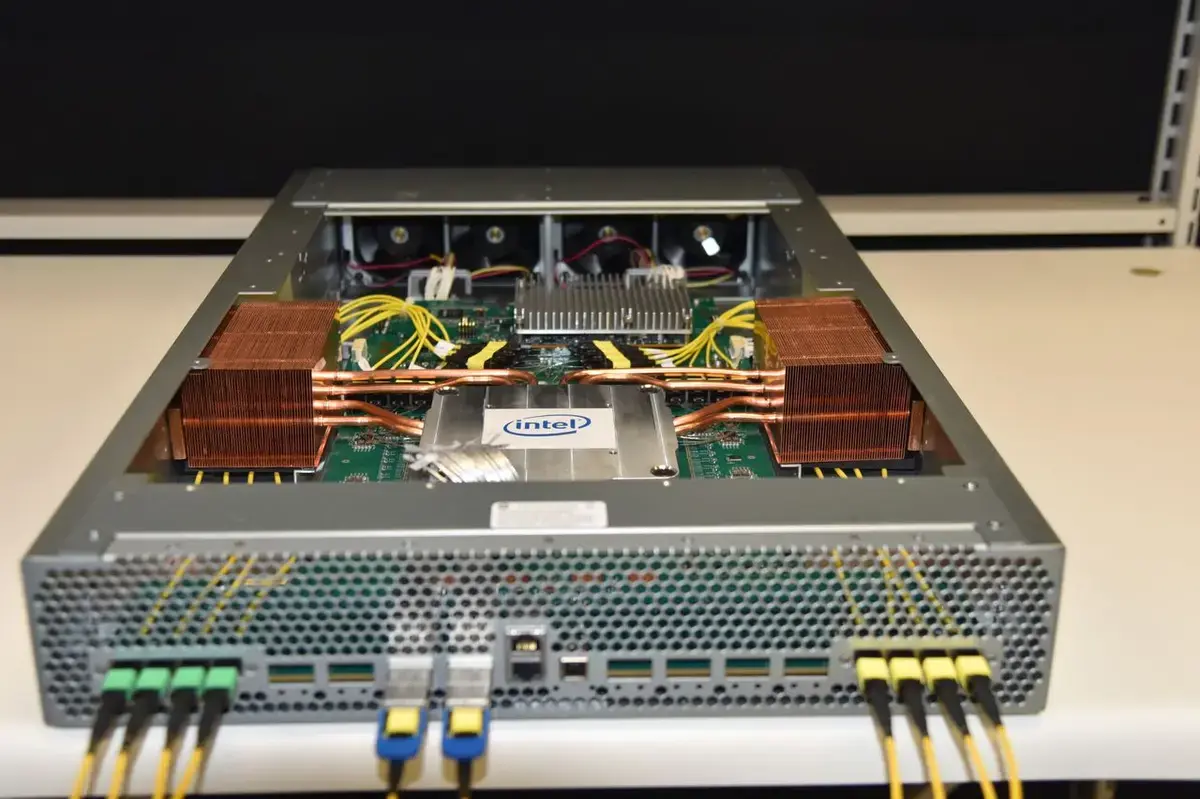
This explosive growth is driven by the rapid integration of artificial intelligence across global data infrastructure. As AI models become more complex, they require faster data transmission speeds within server clusters. Optical interconnects provide the necessary bandwidth to handle these massive workloads efficiently. The data highlights a fundamental shift in how digital architecture is being built to support modern computing needs.
The report was commissioned by Yuanjie Semiconductors, a manufacturer specializing in laser chips, to support its upcoming Hong Kong stock exchange listing. Laser chips serve as the backbone for optical communication components, enabling the light-based data transfer that defines modern high-speed networks. Without these specialized components, the current pace of AI development would likely face significant hardware bottlenecks.
Can Hardware Innovation Keep Pace With AI Demand?
Industry analysts suggest that the reliance on these optical solutions will only increase as companies race to build larger data centers. The transition from traditional copper wiring to optical technology is essential for reducing latency and power consumption. This shift is becoming a standard requirement for hyperscale facilities worldwide.
The projected ten-fold increase in market value underscores the immense pressure on manufacturers to scale production. Meeting this demand requires not only advancements in chip design but also significant investments in manufacturing capacity. If supply chains can adapt, the industry is set to become a cornerstone of the global digital economy.
Frequently Asked Questions
The long-term outlook remains bullish as AI continues to transform enterprise and consumer technology. Investors are closely watching this sector, viewing it as a primary beneficiary of the ongoing computational revolution. As data centers evolve into the engines of the AI era, optical interconnects will remain a critical bottleneck and a primary driver of technological progress.
What is driving the growth of the optical interconnect market? The primary driver is the rapid expansion of artificial intelligence, which requires massive data transfer speeds within data centers. Optical technology is the most efficient way to achieve the necessary bandwidth for these advanced systems.
Why is this market expected to grow so rapidly by 2030? The industry is experiencing a massive shift toward high-speed connectivity solutions. As companies build larger, more powerful data centers, they are replacing older copper-based systems with optical interconnects to improve performance and energy efficiency.