The Shifting Landscape of Childhood Learning
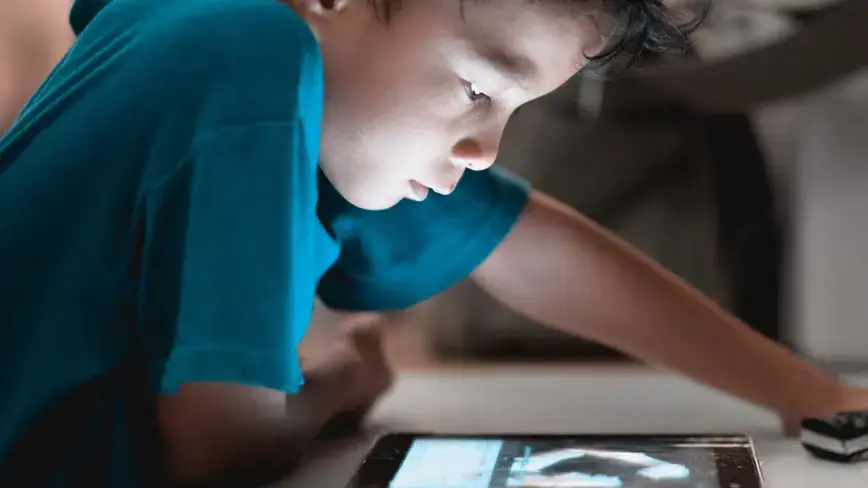
A new study reveals that many parents are worried about their children's increasing dependence on artificial intelligence. The annual back-to-school survey by Deloitte found that half of those surveyed believe their child relies too heavily on AI tools. This concern highlights a significant shift as AI technology becomes more common in everyday learning environments.
Breaking news
 Canonical’s Web Presence Hit by Second DDoS Assault This Year
 Loops AI Secures $3.5 Million to Power a New AI Operating System for E‑Commerce
 Winverse AI Secures Tens of Millions in Seed Funding from DeepSeek and Long‑Z
 Google Adds Pixel 9 Series to Certified Refurbished Store
The survey indicates a widespread unease among parents regarding the integration of AI into their children's education and daily lives. This sentiment suggests a broader societal discussion is needed about the appropriate role of AI for young learners. The findings underscore the rapid expansion of AI beyond adult professional and academic settings.
Artificial intelligence, once primarily found in workplaces and universities, is now a fixture in primary school classrooms. This rapid adoption has prompted parents to question its impact on their children's development and learning habits. The survey results reflect a collective apprehension about this technological shift.
What Are the Long-Term Effects of Early AI Exposure?
The study's findings are a clear signal that parents are grappling with the implications of AI on their children. They are observing firsthand how these tools are being used by young students. This growing reliance raises questions about critical thinking and problem-solving skills.
Parents are increasingly asking about the potential long-term consequences of their children's early and frequent interaction with AI. There is a palpable concern that over-reliance could hinder the development of essential cognitive abilities. The survey did not delve into specific negative impacts, but the parental worry is evident.
Frequently Asked Questions
The findings suggest a need for further research into the educational and developmental effects of AI on children. As AI continues to integrate into schooling, understanding these impacts will be crucial. Parents' concerns signal a demand for guidance and clear policies regarding AI use in education.
What was the main finding of the Deloitte survey? The primary finding was that half of the parents surveyed are worried their children rely too much on artificial intelligence. This highlights a significant concern among families about the role of AI in their children's lives.
Where is AI becoming more prevalent in children's lives? AI is increasingly moving from professional and higher education settings into primary school classrooms. This widespread integration is a key factor behind parental anxieties regarding its use by young students.