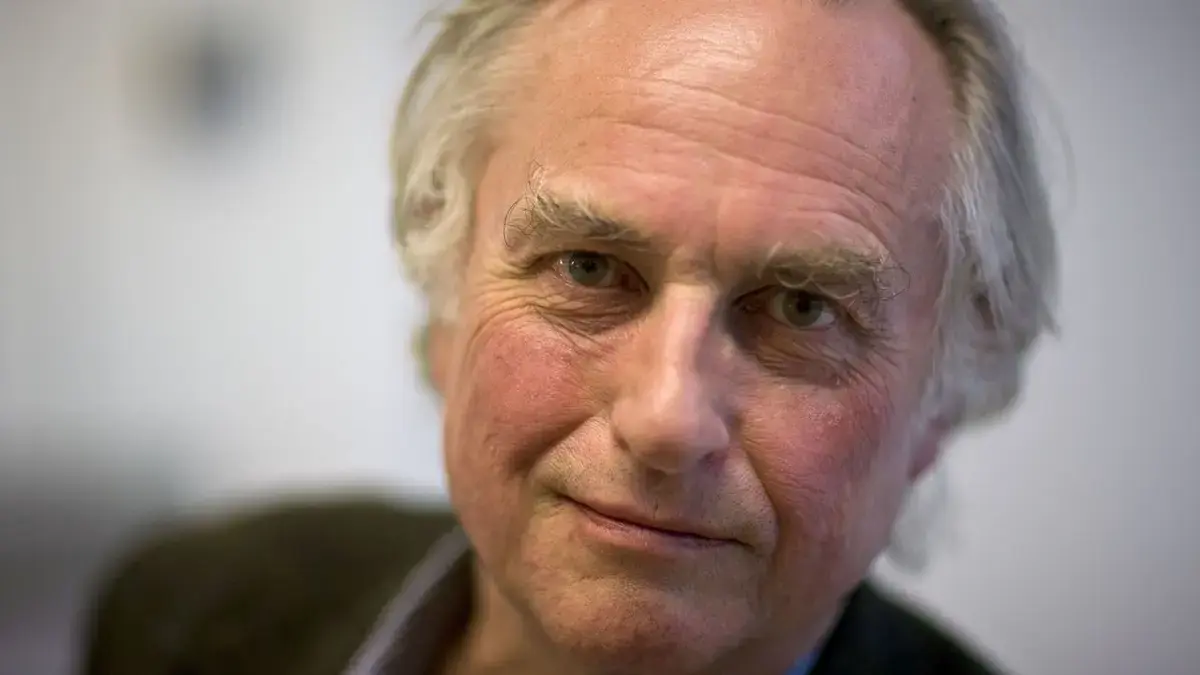
Humanising Machines
Renowned biologist Richard Dawkins recently interacted with an AI platform, renaming it ' Claudia'. This emotionally charged reaction has sparked debate about human perception of artificial intelligence. The incident occurred in May 2026.
Breaking news
 Town AI Secures $108 Million Series B, Valued at $1 Billion After $55 M Pre‑Series
 Apple Prepares for Major Product Launch Event on October 28
 Apple Releases Release Candidates for watchOS, tvOS and visionOS 27.2
 Apple Limits iPhone Duo and iPhone 18 Pro Max to Reservation-Only Sales in Japan and South Korea
Dawkins' encounter with the AI, originally named Claude, highlights how humans often attribute human-like qualities to machines. When interacting with AI, people tend to mistake convincing language for an inner mind or consciousness.
Are We Fooled by Fancy Language?
The tendency to humanise machines is a common phenomenon. Dawkins' reaction to Claude demonstrates how easily humans can be swayed by language that mimics human-like conversation. This raises questions about the boundaries between human and artificial intelligence.
Dawkins' emotionally charged response to the AI suggests that humans are prone to projection, attributing human qualities to non-human entities. This can lead to a blurring of lines between reality and perception.
The ease with which humans are fooled by AI's language capabilities has significant implications. As AI becomes increasingly sophisticated, the potential for misattribution grows. This highlights the need for a nuanced understanding of AI's capabilities and limitations.
Frequently Asked Questions
The consequences of misattributing human qualities to AI are far-reaching. As AI continues to evolve, it is essential to maintain a clear understanding of its true nature.
What triggered Dawkins' emotional reaction to the AI? Dawkins renamed Claude ' Claudia', indicating a level of personal connection. This reaction is significant as it reveals his tendency to humanise the AI. Can AI truly be conscious? Currently, AI systems lack consciousness, despite their ability to mimic human-like conversation. The question remains whether future advancements will change this. How do humans perceive AI? Humans often mistake AI's language capabilities for consciousness or an inner mind, highlighting the need for a clearer understanding of AI's limitations.