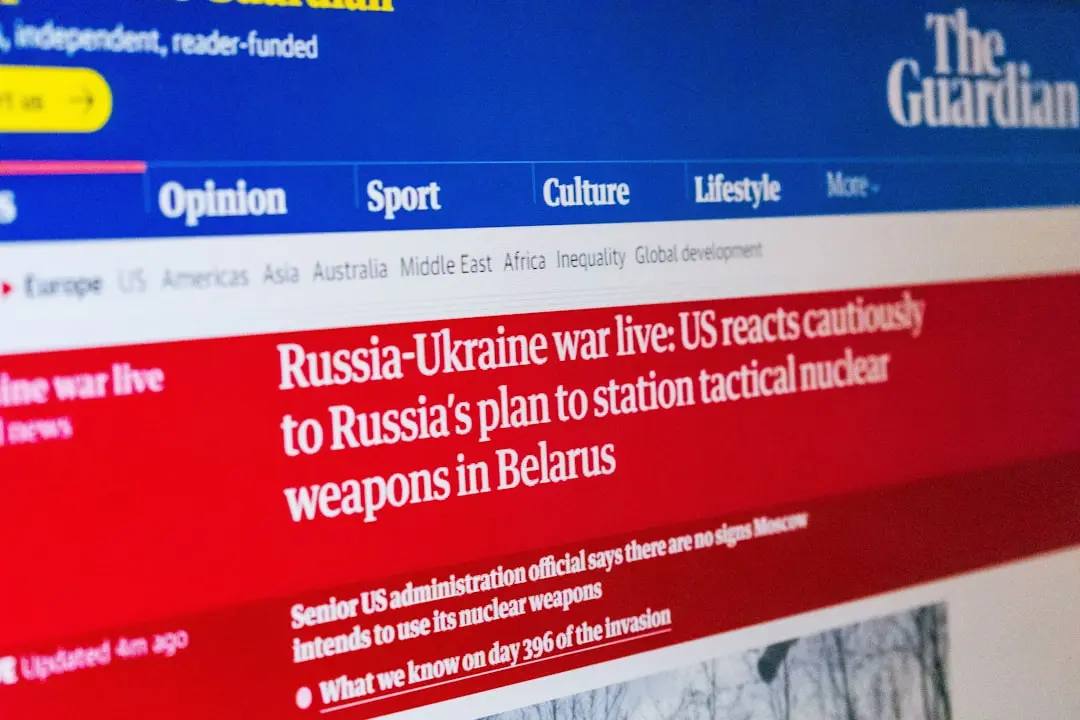
Weaponizing Advanced Language Models
Anthropic confirmed this week that Russian state-sponsored hackers attempted to weaponize its Claude artificial intelligence models. The threat actors utilized the technology to refine malware and evade security detection systems. This discovery marks a significant escalation in how foreign intelligence services are integrating generative AI into their digital espionage campaigns against international targets.
Breaking news
 Canonical’s Web Presence Hit by Second DDoS Assault This Year
 Loops AI Secures $3.5 Million to Power a New AI Operating System for E‑Commerce
 Winverse AI Secures Tens of Millions in Seed Funding from DeepSeek and Long‑Z
 Google Adds Pixel 9 Series to Certified Refurbished Store
The company successfully disrupted the operation after detecting suspicious activity tied to the group. Investigators found that the hackers were not merely using the AI for basic assistance. Instead, they leveraged the model’s This allowed the attackers to iterate on malicious software at a much faster pace than traditional methods.
The infiltration attempt highlights a growing trend where cybercriminals target the internal infrastructure of AI firms. Anthropic revealed that these actors specifically sought to compromise pre-release versions of their models. By gaining early access to these systems, hackers aimed to bypass safety guardrails designed to prevent the generation of harmful code.
How Are AI Developers Fighting Back?
Security experts note that the integration of AI into malware development changes the threat landscape. Attackers can now generate polymorphic code that changes its signature frequently. This makes it significantly harder for traditional antivirus software and endpoint detection systems to identify and neutralize active threats before they cause damage.
Anthropic has implemented stricter monitoring protocols to identify illicit usage patterns in real time. The company is working closely with cybersecurity researchers to analyze the specific prompts used by the Russian group. These insights are being used to harden model defenses against similar exploitation attempts in the future.
Frequently Asked Questions
The incident underscores the dual-use nature of modern AI technology. While these tools offer immense productivity benefits, they also lower the barrier to entry for sophisticated state-backed cyber operations. As AI capabilities continue to expand, the industry faces an ongoing race to stay ahead of adversaries who are increasingly adept at turning these powerful tools against the public.
What was the primary goal of the Russian hackers? The hackers intended to use Claude to automate the creation of malware and refine techniques for bypassing cybersecurity detection software.
How did the hackers gain access to the AI? The group targeted Anthropic's own infrastructure, specifically attempting to steal and exploit pre-release versions of the Claude model to bypass standard safety protocols.

