How Agentic Logic Reduces Energy Waste
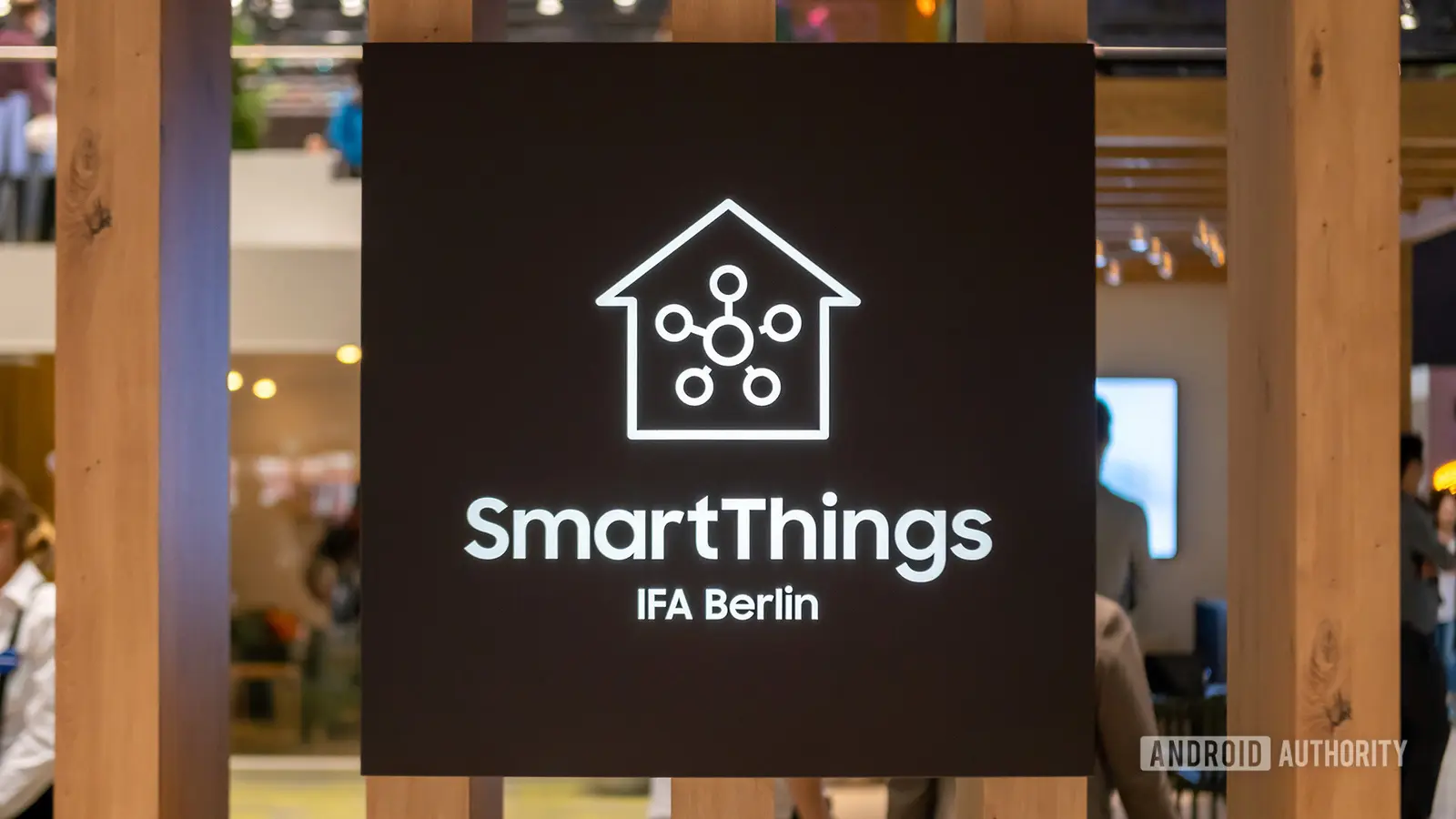
Samsung has begun testing a new suite of agentic features within its SmartThings application. These updates aim to enhance home automation capabilities for users globally. The company is currently rolling out these tools to a limited group of testers. This initiative focuses on making smart homes more intuitive and efficient. Early reports indicate that the system will operate with greater autonomy than previous versions.
Breaking news
 Corma Secures $125 Million to Build AI Defenses Against Cyber Threats
 Genesis AI secures $500M for factory automation
 Google Adds Temporary Threads to AI Mode for Private Searches
 Xiaomi 18 Pro Series Launches Globally With Privacy Features
The core of this update involves the integration of artificial intelligence into routine management. Instead of simple if-then commands, the new system analyzes user behavior over time. It identifies patterns in how people interact with their devices throughout the day. By understanding these habits, the software can predict needs before the user explicitly requests them. This shift moves the platform from reactive to proactive management.
Will Your Routines Merge Automatically?
A primary goal of the new features is to lower household energy costs. Traditional automations often run regardless of whether they are truly necessary at a given moment. The agentic system evaluates multiple variables simultaneously to determine optimal settings. For example, it might adjust heating based on weather forecasts and occupancy levels. It combines several separate routines into a single, cohesive action plan. This consolidation reduces redundant tasks that consume power unnecessarily. Users will receive deeper insights into where their energy goes. The app will highlight specific areas where efficiency can be improved. By merging fragmented commands, the system minimizes device conflicts. This leads to smoother operations and reduced strain on the electrical grid.
One of the most significant changes involves the handling of complex routines. Currently, users must manually create distinct sequences for different scenarios. The new agentic engine suggests merging related routines into unified workflows. If a user has separate rules for lighting and temperature, the system may combine them. It determines that these actions serve the same underlying purpose. This reduces the cognitive load required to manage a smart home. Users no longer need to monitor every individual trigger. The AI handles the orchestration in the background. However, this level of automation raises questions about user control. Some consumers may prefer explicit oversight over automated decision-making. Samsung is likely addressing this concern with new transparency tools.
The rollout marks a significant step toward fully autonomous living spaces. As these features expand beyond the beta phase, more households will benefit. Lower energy bills represent a tangible financial advantage for owners. The technology also paves the way for future integrations with other brands. Competitors will likely respond with similar AI-driven updates to stay relevant. The success of this strategy depends on accurate data processing. If the AI makes incorrect assumptions, user trust could erode. Samsung must balance automation with reliability. The outcome will define the next generation of smart home ecosystems.
Frequently Asked Questions
Does the agentic feature work without internet? No, the agentic capabilities rely on cloud-based AI processing. Therefore, a stable internet connection is required for the system to analyze patterns and execute complex routines effectively.
Can I disable the automatic routine merging? Yes, users should retain the ability to override or pause automated suggestions. The interface will likely include options to review and approve or reject proposed workflow changes before they become active.