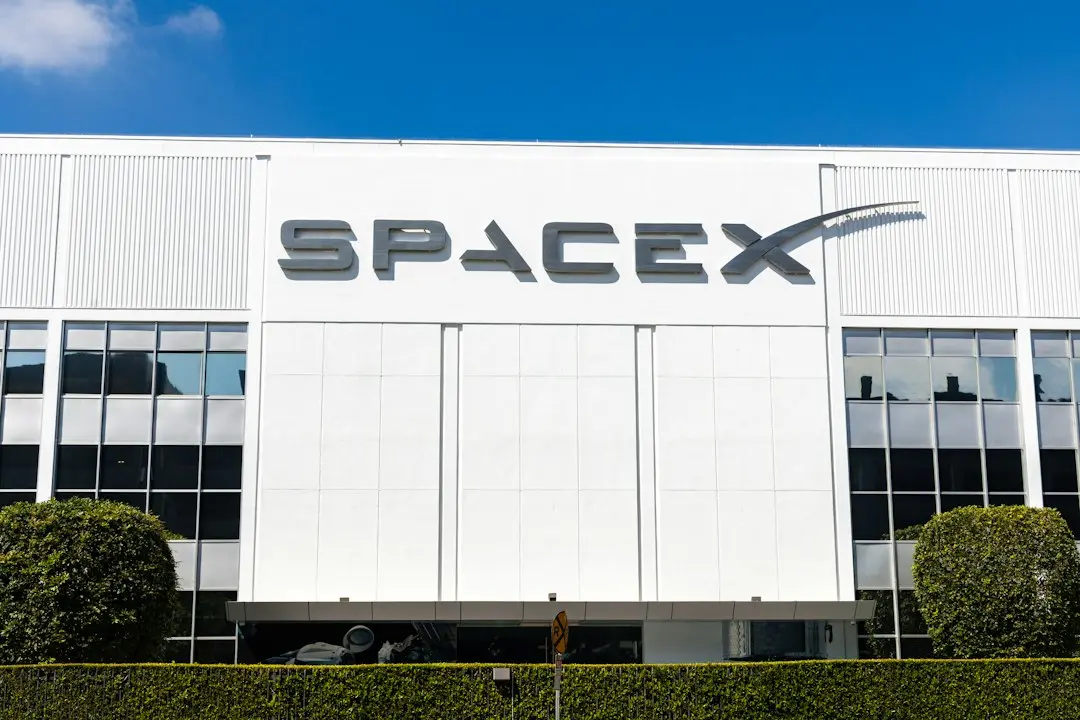
Why SpaceX Needs a $40 Billion Credit Line
SpaceX, the private aerospace firm founded by Elon Musk, is reportedly in discussions to secure a $40 billion loan to acquire artificial‑intelligence chips from Nvidia, according to a Financial Times report on Tuesday. The financing talks coincide with the company’s plan to construct a second Starbase launch complex in Louisiana, expanding its coastal infrastructure.
Breaking news
 Canonical’s Web Presence Hit by Second DDoS Assault This Year
 Loops AI Secures $3.5 Million to Power a New AI Operating System for E‑Commerce
 Winverse AI Secures Tens of Millions in Seed Funding from DeepSeek and Long‑Z
 Google Adds Pixel 9 Series to Certified Refurbished Store
The loan would fund a massive procurement of Nvidia’s latest AI hardware, which SpaceX intends to integrate into its satellite‑internet constellation and next‑generation rockets. Analysts say the financing reflects the growing demand for high‑performance computing in space operations, where AI can optimize flight trajectories, predict component wear, and manage the massive data streams from Starlink satellites. The Louisiana site, slated to host launch pads and testing facilities, is part of SpaceX’s strategy to diversify launch locations and reduce bottlenecks at its Texas base.
SpaceX’s ambition to dominate low‑Earth‑orbit services hinges on processing petabytes of telemetry and user data in real time. Nvidia’s GPUs and specialized AI accelerators are considered industry‑leading for such workloads. By borrowing billions, SpaceX can avoid diluting equity while accelerating its technology rollout. Sources close to the negotiations suggest the loan could be structured as a revolving credit facility, allowing the company to draw funds as chip deliveries are scheduled. The move also signals confidence from lenders in SpaceX’s cash flow, driven by revenue from commercial launches and the expanding Starlink subscription base.
Will the Louisiana Starbase Boost Launch Capacity?
The decision to build a second Starbase in Louisiana raises questions about regional impact and operational flexibility. The new complex will feature additional launch pads, integration buildings, and a dedicated test range. Proponents argue that proximity to the Gulf of Mexico offers favorable weather windows and reduced flight path constraints for polar and equatorial missions. Critics, however, caution about environmental concerns and the need for robust infrastructure to support high‑frequency launch schedules. If completed on schedule, the Louisiana site could increase SpaceX’s annual launch cadence by up to 30 percent, easing pressure on the existing Texas facility.
The combined effect of a massive AI chip purchase and expanded launch infrastructure could reshape SpaceX’s competitive edge. Enhanced AI capabilities may improve mission reliability and reduce operational costs, while the new launch site diversifies risk and opens new market opportunities. Investors will watch closely as financing terms are finalized and construction milestones are met, gauging whether SpaceX can sustain its rapid growth without overextending its balance sheet.
Frequently Asked Questions
How will the loan be repaid? SpaceX plans to service the debt using cash flow from launch contracts, satellite services, and potential cost savings generated by AI‑driven efficiencies.
What specific Nvidia chips are being considered? While the report does not name models, industry insiders expect the purchase to focus on Nvidia’s H100 and upcoming Hopper‑based processors, which excel at large‑scale AI workloads.
When is the Louisiana Starbase expected to become operational? Construction is projected to begin later this year, with an initial launch pad targeted for activation within 18‑24 months, subject to regulatory approvals.

