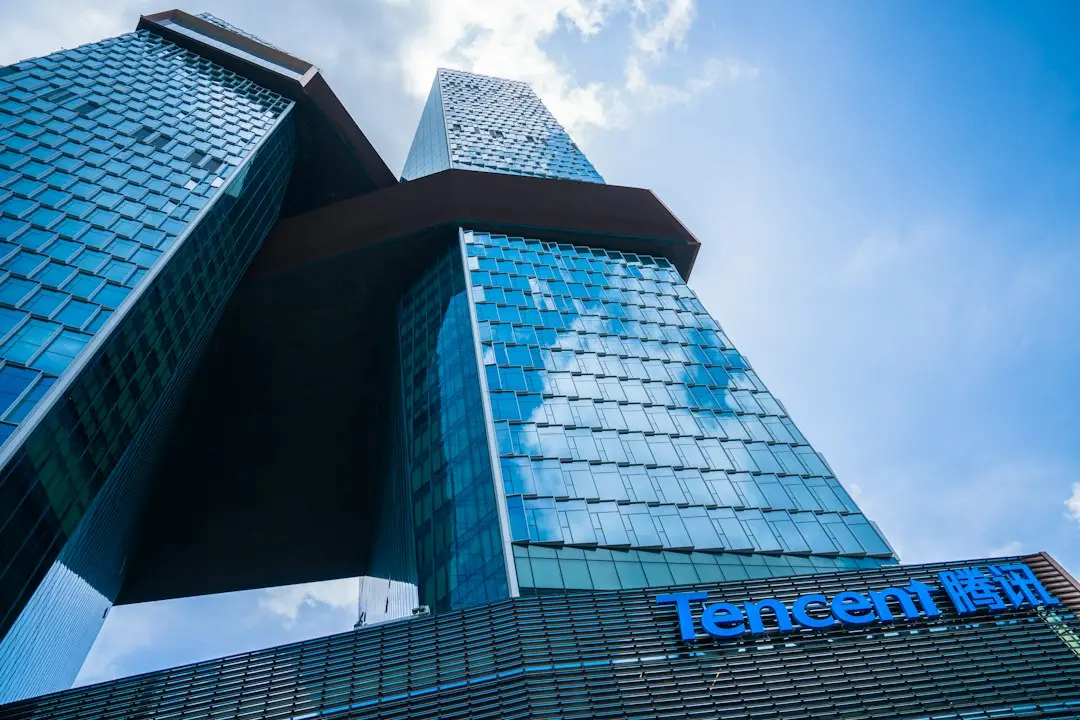
Funding the AI Revolution: A Strategic Shift
Tencent, the Chinese internet conglomerate, is reportedly preparing a bond offering of roughly $5 billion, with $1.5 billion to $2 billion of the proceeds denominated in U. S. dollars. The funds are intended to support the company’s expanding artificial‑intelligence initiatives, with a significant portion earmarked for the acquisition of advanced semiconductor technology. The move is expected to take place in the first half of 2027, according to industry insiders.
Breaking news
 Canonical’s Web Presence Hit by Second DDoS Assault This Year
 Loops AI Secures $3.5 Million to Power a New AI Operating System for E‑Commerce
 Winverse AI Secures Tens of Millions in Seed Funding from DeepSeek and Long‑Z
 Google Adds Pixel 9 Series to Certified Refurbished Store
The company’s AI ambitions have accelerated markedly over the past year, driven by a surge in demand for cloud services and a strategic push to reduce reliance on foreign chip suppliers. By issuing bonds, Tencent aims to secure capital at a lower cost than traditional equity markets, while also signaling confidence in its long‑term growth prospects. Analysts note that the dollar tranche will help mitigate currency risk amid ongoing U. S. trade tensions.
Tencent’s leadership has publicly emphasized the importance of AI in maintaining competitive advantage across its gaming, social media, and e‑commerce platforms. The bond proceeds will be directed toward building proprietary AI models, expanding data center capacity, and purchasing cutting‑edge GPUs and other silicon components from global suppliers. Industry observers suggest that the company may also use the funds to invest in research collaborations with leading U. S. universities and technology firms, thereby accelerating innovation cycles.
How Will the Bond Sale Affect the Market?
Sources indicate that the bond issuance will be structured as a mix of senior and subordinated debt, with the dollar tranches offering a fixed coupon rate of around 4.5 percent. This structure is designed to attract institutional investors seeking stable returns, while allowing Tencent to maintain flexibility in its capital allocation. The company’s credit rating agencies have reportedly maintained a stable outlook, reflecting confidence in Tencent’s robust revenue streams and cash‑flow generation.
The announcement is likely to influence the broader corporate bond market in Asia, where many tech firms have traditionally relied on bank financing. By opting for a public bond issuance, Tencent may set a precedent for other Chinese technology companies to tap international debt markets, potentially increasing liquidity and investor participation in the region. The use of dollar denominated tranches also underscores the growing importance of cross‑border financing for Chinese firms seeking to diversify currency exposure.
The bond sale could also impact Tencent’s balance sheet, improving leverage ratios and providing a buffer against future regulatory or economic headwinds. However, the company will need to manage the risk of rising interest rates, which could increase borrowing costs if the market environment shifts. Analysts predict that the bond offering could be completed within 90 days of issuance, subject to regulatory approvals and market conditions.
What Does This Mean for the AI Ecosystem?
Tencent’s increased investment in AI and semiconductor procurement is expected to accelerate the development of its cloud services, gaming AI, and fintech solutions. The company’s expanded chip inventory will reduce supply chain vulnerabilities and enable faster deployment of new AI applications. This strategic move may also intensify competition with other tech giants such as Alibaba and Baidu, who are similarly investing heavily in AI infrastructure.
In the long term, the bond proceeds could position Tencent as a more resilient player in the global tech arena, capable of sustaining rapid innovation while navigating geopolitical uncertainties. The success of the bond offering will be closely watched by investors, regulators, and competitors alike.
Frequently Asked Questions
Q1: Why is Tencent choosing a bond issuance instead of raising equity? A1: Bonds provide lower cost capital and avoid diluting existing shareholders. They also allow Tencent to secure a large sum quickly and maintain control over its strategic direction.
Q2: What proportion of the bond proceeds will go to chip purchases? A2: While exact figures are undisclosed, insiders suggest that a significant portion—potentially over 50%—will be allocated to acquiring advanced semiconductor components.
Q3: How might this bond sale affect Tencent’s credit rating? A3: Current assessments indicate a stable outlook. The issuance could improve leverage ratios, but rising interest rates could pose a risk if market conditions shift unfavorably.

