From Static to Motion: The Experiment That Surprised
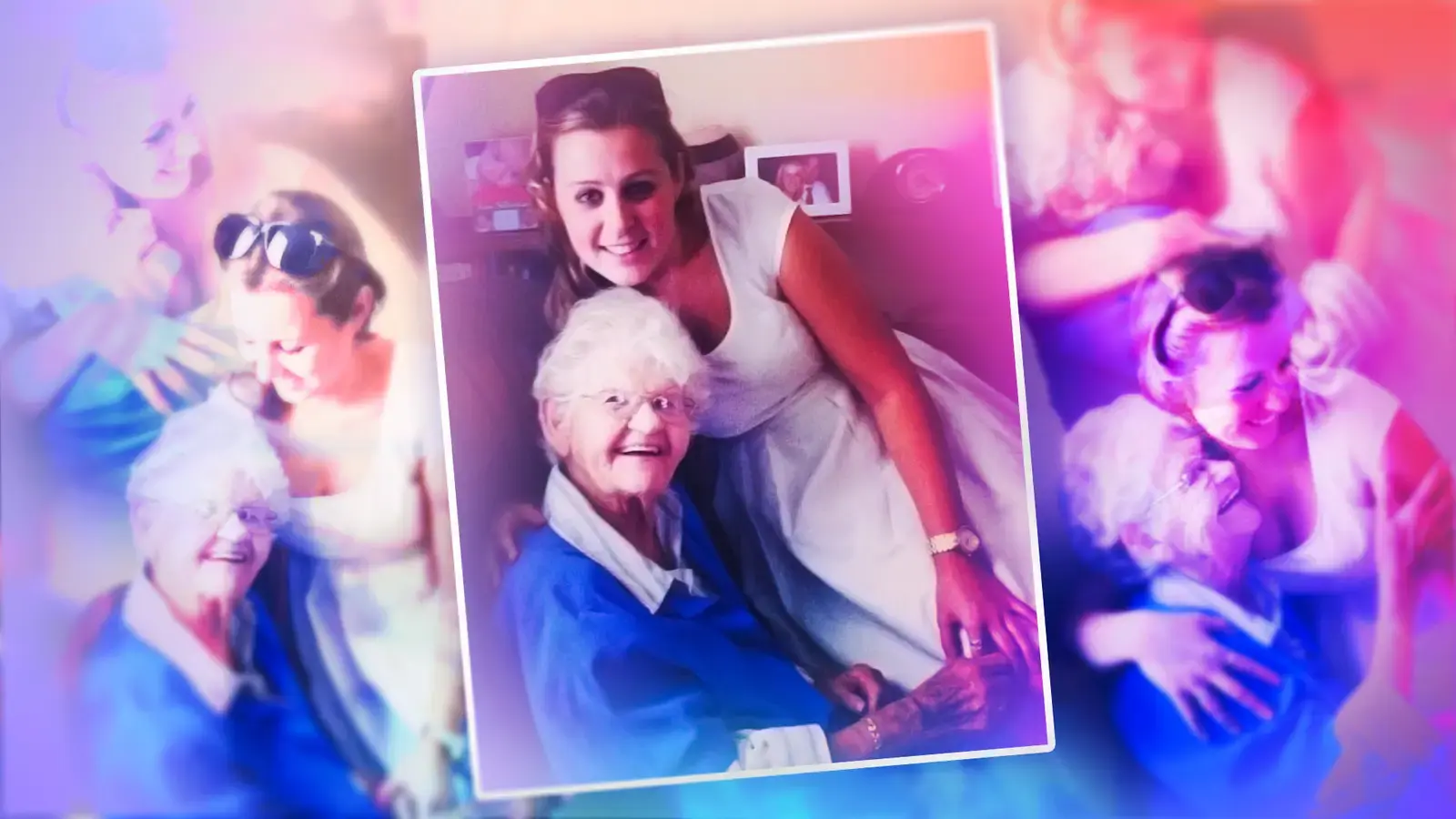
In late March, a woman from Portland, Oregon, uploaded two black‑and‑white family photographs to an online AI animation service. The first image, a candid shot of her grandmother at a backyard picnic, produced a disturbing, almost haunted effect. The second, a playful snapshot of her siblings on a swing set, turned into a warm, nostalgic scene that brought tears to her eyes.
Breaking news
 Town AI Secures $108 Million Series B, Valued at $1 Billion After $55 M Pre‑Series
 Apple Prepares for Major Product Launch Event on October 28
 Apple Releases Release Candidates for watchOS, tvOS and visionOS 27.2
 Apple Limits iPhone Duo and iPhone 18 Pro Max to Reservation-Only Sales in Japan and South Korea
The experiment began when the photographer, who prefers to remain anonymous, discovered a new tool that promises to bring static images to life. She selected the „Animate” feature, which uses deep‑learning algorithms to extrapolate motion from a single frame. Within minutes, the AI rendered two distinct videos: one that seemed to echo a ghostly presence, and another that captured the carefree joy of childhood.
When Machines Mimic Memory: The Emotional Fallout
The AI service works by training on millions of video clips, learning how human faces and bodies move. When a still image is fed into the system, it predicts the most likely motion sequence that could have produced that frame. The first photo, taken at a family reunion, was processed with the default settings. The resulting animation showed the grandmother’s eyes flickering in a way that felt unnatural, as if she were watching the viewer directly. The software’s attempt to fill in missing frames produced a slight distortion, giving the image an eerie quality.
In contrast, the second photo of the children on a swing set produced a gentle, fluid motion. The AI added subtle head tilts and arm swings, creating a sense of movement that felt authentic. The photographer described the result as „heartwarming” and said it reminded her of the laughter she heard in that moment. She posted the videos on social media, where comments ranged from admiration to concern about the uncanny valley effect.
# How does the AI create motion from a single image?
The service’s developers claim that the algorithm is still in beta and that the output can vary depending on lighting, pose, and background. They also note that the technology can be used for creative projects, such as restoring old home movies or adding motion to historical photos. However, the company warns that the output may not always be suitable for sensitive content, as the AI can sometimes misinterpret facial expressions or body language.
The divergent reactions to the two animations highlight the emotional stakes of using AI to preserve memories. Some users fear that the technology could create unsettling or misleading representations of loved ones. Others see it as a powerful tool for keeping family history alive in a new, engaging format. The photographer’s experience illustrates both sides: the unsettling feeling of a familiar face animated in a way that feels off, and the comforting joy of seeing a cherished moment revived.
Experts in digital media ethics argue that the line between enhancement and manipulation is thin. They advise users to review the output carefully and consider the potential impact on viewers, especially those who may have strong emotional ties to the original image. The company has added a disclaimer that the AI-generated videos are not guaranteed to be accurate and should be treated as artistic interpretations.
# Is the output truly a faithful representation of the original person?
The broader trend of animating photographs raises questions about consent, authenticity, and the future of memory preservation. As AI tools become more accessible, families may increasingly turn to them to recreate lost moments. Yet the technology’s imperfections remind us that the past cannot be fully captured by a machine.
The software analyzes patterns from millions of video clips, predicting how a face or body would move. It then generates a short animation that fills in the missing frames.
# Can I use this technology for historical photos?
Not always. The algorithm can misinterpret expressions or produce uncanny effects, especially with complex lighting or poses.
Yes, but users should be cautious. The AI may alter details unintentionally, so it is best used for artistic purposes rather than strict archival accuracy.
