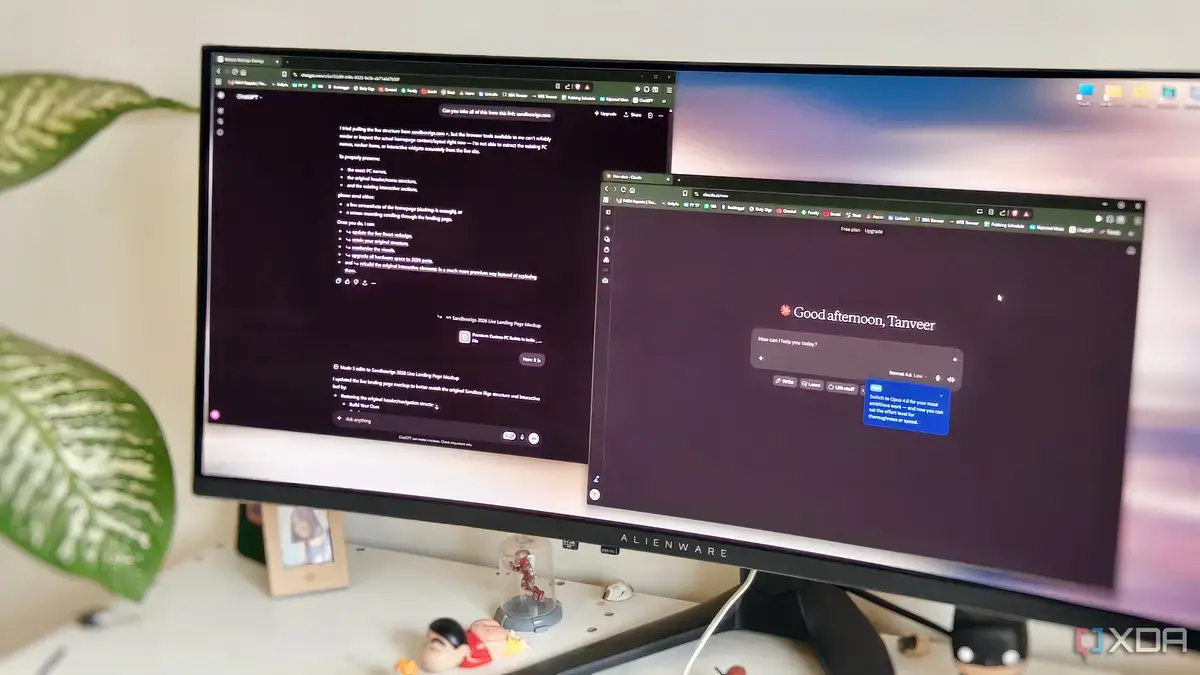
Why Learning by Doingis Non-Negotiable
Aspiring coders must embrace active learning, especially with the rise of artificial intelligence. Merely consuming information about coding or AI is insufficient for true skill development. Practical application remains the cornerstone of mastering these complex fields, according to recent insights.
Breaking news
 Canonical’s Web Presence Hit by Second DDoS Assault This Year
 Loops AI Secures $3.5 Million to Power a New AI Operating System for E‑Commerce
 Winverse AI Secures Tens of Millions in Seed Funding from DeepSeek and Long‑Z
 Google Adds Pixel 9 Series to Certified Refurbished Store
This emphasis on hands-on experience highlights a critical distinction between passive learning and genuine understanding. Without actively writing code and building projects, theoretical knowledge often fails to translate into practical ability. The rapid evolution of AI further underscores the need for continuous, practical engagement.
The principle of learning by doingis particularly vital in technology. Coding, much like playing a musical instrument, requires consistent practice. Developers must repeatedly apply concepts to solidify their understanding. This iterative process allows for the identification and correction of errors. It also builds the problem-solving skills essential for a successful career in tech. Simply watching tutorials or reading documentation does not replicate this crucial experience.
How Does AI Impact Traditional Coding Education?
Furthermore, the landscape of artificial intelligence is constantly shifting. New tools, libraries, and methodologies emerge regularly. Active participation in coding projects keeps learners current with these advancements. It fosters adaptability, a key trait for navigating the dynamic AI sector.
AI tools can assist in learning, but they cannot replace the act of coding itself. While AI can generate code snippets or explain complex concepts, students still need to understand the underlying logic. Relying too heavily on AI without personal practice can create a superficial understanding. This can hinder a developer's ability to debug or innovate independently. Therefore, AI should be seen as a powerful assistant, not a substitute for personal effort.
The future of coding and AI education lies in a blended approach. Learners should leverage AI for guidance and efficiency. However, they must consistently engage in hands-on projects to build foundational skills. This balance ensures that new developers are not just knowledgeable, but also capable and adaptable.
Frequently Asked Questions
What is the biggest mistake new coders make regarding AI? Many new coders mistakenly believe that AI can fully automate their learning process. They might rely too much on AI to write code for them, bypassing the essential practice of solving problems independently.
Can AI truly teach someone to code effectively? AI can provide explanations, generate examples, and offer debugging assistance. However, it cannot instill the critical thinking and problem-solving skills that come from personally engaging with coding challenges and building projects.
Why is practical application more important than theoretical knowledge in AI development? Practical application forces learners to confront real-world issues, debug errors, and understand the nuances of implementation. This hands-on experience builds intuition and competence that theoretical knowledge alone cannot provide.