The Erosion of Creative Friction
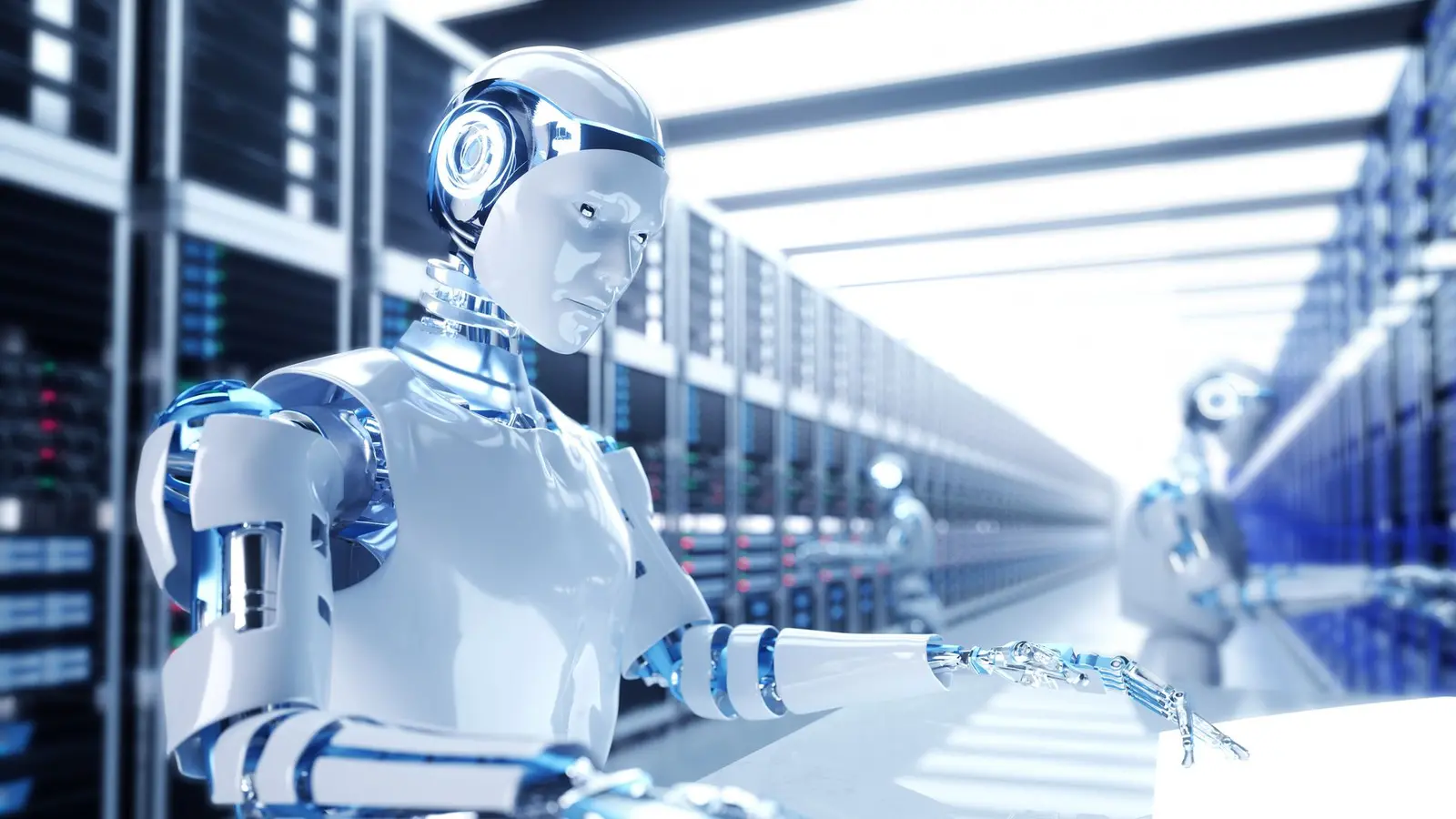
Modern businesses are rapidly adopting artificial intelligence to streamline daily operations and boost immediate output. While these tools promise unprecedented efficiency, experts warn that relying on instant, automated answers may erode essential human skills. By removing the friction of problem-solving, companies risk losing the critical experimentation that drives long-term innovation and strategic growth.
Breaking news
 Canonical’s Web Presence Hit by Second DDoS Assault This Year
 Loops AI Secures $3.5 Million to Power a New AI Operating System for E‑Commerce
 Winverse AI Secures Tens of Millions in Seed Funding from DeepSeek and Long‑Z
 Google Adds Pixel 9 Series to Certified Refurbished Store
The allure of AI lies in its ability to bypass traditional research and brainstorming processes. Employees can now generate reports, code, or marketing copy in seconds without deep engagement. However, this convenience often acts as a cognitive shortcut. When workers stop wrestling with complex challenges, they lose the opportunity to develop the nuanced understanding required for high-level decision-making.
Is Convenience Compromising Your Competitive Edge?
True innovation often stems from necessity and the struggle to overcome difficult obstacles. When a task is too easy, the process of trial and error is discarded. This lack of friction prevents teams from exploring unconventional solutions or refining their unique perspectives. Consequently, organizations may find themselves producing generic results that lack the competitive edge of human-led ingenuity.
Critical thinking requires active participation rather than passive consumption of AI-generated content. When staff members rely solely on automated outputs, they stop questioning the underlying logic of their work. This shift can lead to a dangerous complacency where errors go unnoticed and creative stagnation becomes the new corporate norm.
The long-term health of a business depends on the intellectual agility of its workforce. If employees become dependent on software to do their thinking, the company loses its ability to innovate during a crisis. Leaders must balance the benefits of speed with the necessity of maintaining human oversight and rigorous analytical standards. Failure to do so could leave firms vulnerable when faced with problems that simple algorithms cannot solve.
Frequently Asked Questions
What is the primary risk of using AI for daily tasks? The main risk is the loss of critical thinking and creative problem-solving skills. When employees rely on shortcuts, they stop experimenting and developing the deep expertise needed for complex work.
How can businesses maintain innovation while using AI? Companies should use AI as a supportive tool rather than a replacement for human thought. Encouraging staff to verify outputs and engage in independent brainstorming ensures that human creativity remains at the center of the process.

