Can AI be Built Without Exploiting Workers?
The AI era began with dazzling displays of its capabilities and a promise to change the world in 2022, sparked by OpenAI. After OpenAI's breakthrough, AI growth has been staggering across major industries, with many promises materializing. The rapid progress has, however, left the AI industry grappling with a pressing issue: the human cost of its development.
Breaking news
 Canonical’s Web Presence Hit by Second DDoS Assault This Year
 Loops AI Secures $3.5 Million to Power a New AI Operating System for E‑Commerce
 Winverse AI Secures Tens of Millions in Seed Funding from DeepSeek and Long‑Z
 Google Adds Pixel 9 Series to Certified Refurbished Store
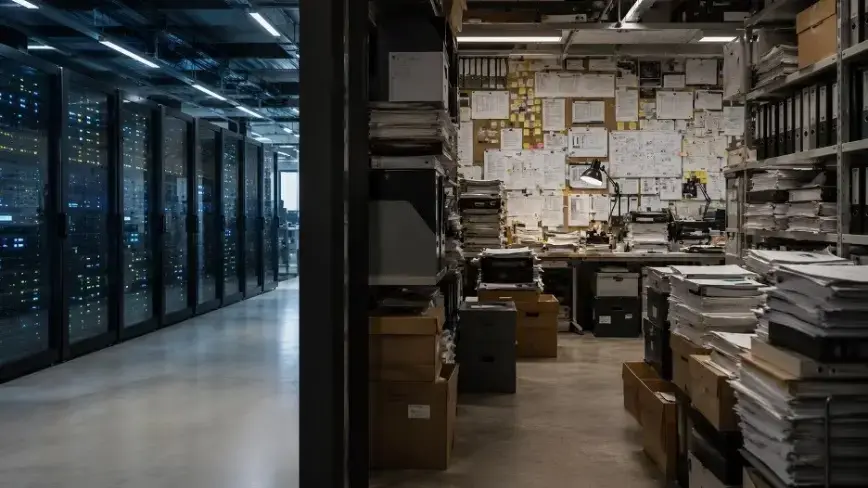
The AI revolution relies heavily on human labor, often underpaid and overworked, to train and refine its models. Many data annotation tasks, crucial for AI development, are outsourced to workers in low-wage countries, who toil for long hours with minimal compensation. This exploitation is a ticking time bomb, threatening the very foundations of the AI industry.
Is the AI Industry Addressing its Labor Shortcomings?
As the industry continues to balloon, concerns about worker welfare are growing. Some companies are starting to acknowledge the issue, with a few taking steps to improve working conditions and compensate workers fairly. However, much remains to be done to address the systemic problems plaguing the industry.
The consequences of inaction could be severe, with potential reputational damage and regulatory backlash looming large. As the AI industry continues to evolve, it must prioritize the welfare of its workers to ensure a sustainable future.
What is the main issue facing the AI industry today? The main issue is the exploitation of workers who train and refine AI models, often underpaid and overworked.
Frequently Asked Questions
How are some companies addressing worker welfare concerns? Some companies are improving working conditions and compensating workers fairly, acknowledging the need for better labor practices.
Can the AI industry continue to grow without addressing its labor shortcomings? No, the industry's growth is threatened by its labor problems, which could lead to reputational damage and regulatory issues if left unaddressed.