The Looming Threat of Digital Uniformity
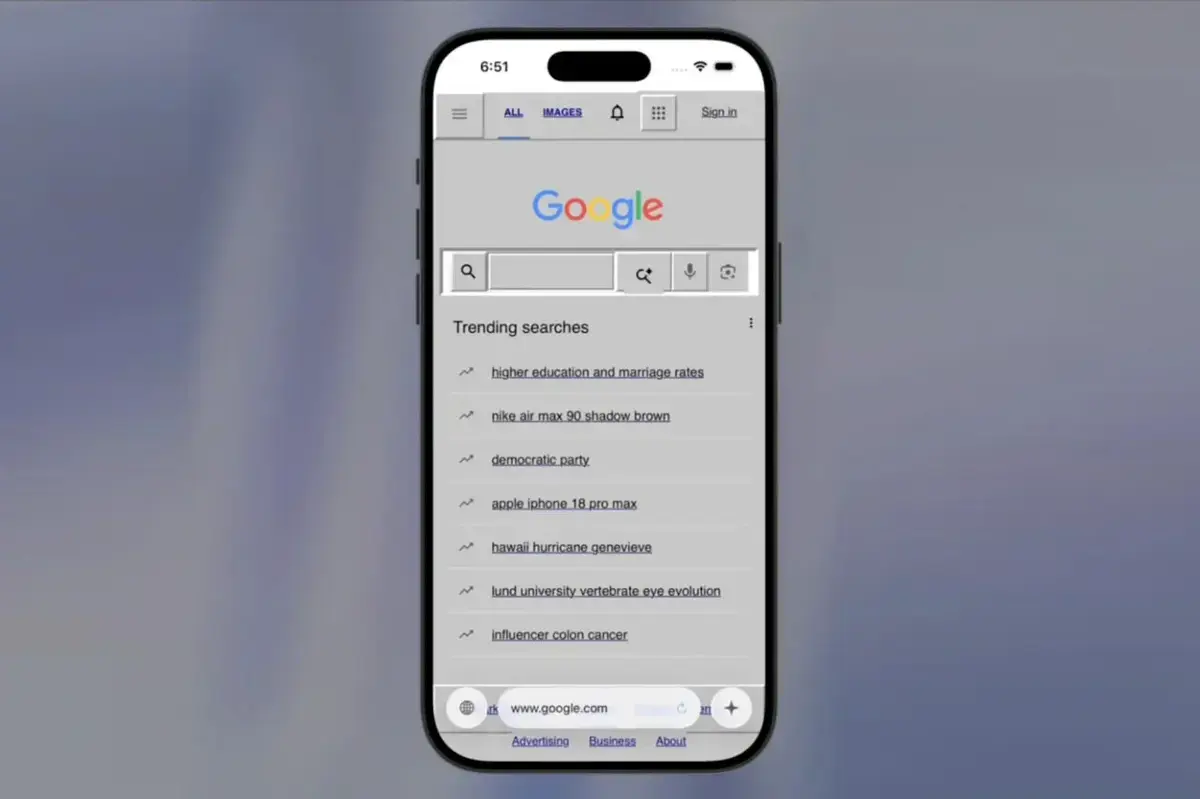
A new artificial intelligence browser is sparking concerns about the future of the internet. Critics fear it could standardize online experiences, erasing individuality. This development comes as many already feel the web has lost its diverse character.
Breaking news
 Canonical’s Web Presence Hit by Second DDoS Assault This Year
 Loops AI Secures $3.5 Million to Power a New AI Operating System for E‑Commerce
 Winverse AI Secures Tens of Millions in Seed Funding from DeepSeek and Long‑Z
 Google Adds Pixel 9 Series to Certified Refurbished Store
The browser aims to streamline how users interact with online content. It promises to deliver information in a highly curated and simplified format. This approach, however, raises questions about the web's original spirit of independent creation.
For years, the internet offered a vast landscape of unique digital spaces. Visiting a website often meant encountering a distinct design and personal vision. Today, a vibe-codingaesthetic has led to widespread visual similarity online. This new AI browser could accelerate that trend even further. It risks turning the internet into a homogenized platform. Content might become indistinguishable, losing its original context and creator's intent.
Can We Preserve the Web's Original Spirit?
The concern is that the AI will act as an intermediary, interpreting and presenting information. This could remove users from direct engagement with original websites. The internet might transform into a series of AI-generated summaries. The rich tapestry of human expression could be replaced by bland, algorithm-driven content. This shift could fundamentally alter how we perceive and consume online information.
The core issue is whether technology should dictate experience to this extent. Many argue that the internet thrives on its decentralized nature. It allows for a multitude of voices and designs. An AI-controlled gateway could stifle this diversity. It might prioritize efficiency over creativity and individuality. This could lead to a less engaging and ultimately less valuable online environment.
The push for a more uniform internet challenges its foundational principles. The web was built on open access and varied presentation. If an AI dictates how content is displayed, it could undermine these values. The internet could become a predictable, sterile environment. This would be a stark contrast to its early days of boundless exploration.
The potential impact of this AI browser is significant. It could redefine our relationship with online content. The debate now is whether to embrace this standardization or fight for the internet's original, wilder nature. The outcome will shape the digital world for years to come.
Frequently Asked Questions
What is the main concern about the new AI browser? The primary concern is that the AI browser will lead to a highly standardized online experience, diminishing the unique character and individuality of websites. It could replace diverse content with homogenized, algorithm-driven presentations.
How has the internet's aesthetic changed recently? The internet has seen a rise in vibe-coding,which has resulted in a mass production of visually similar websites. This trend has made many online spaces feel less distinct and more uniform in their design.
What could be the long-term consequence of this AI development? The long-term consequence could be an internet where direct interaction with original content is replaced by AI-generated summaries. This might lead to a less diverse and engaging online environment, fundamentally altering how users experience the web.