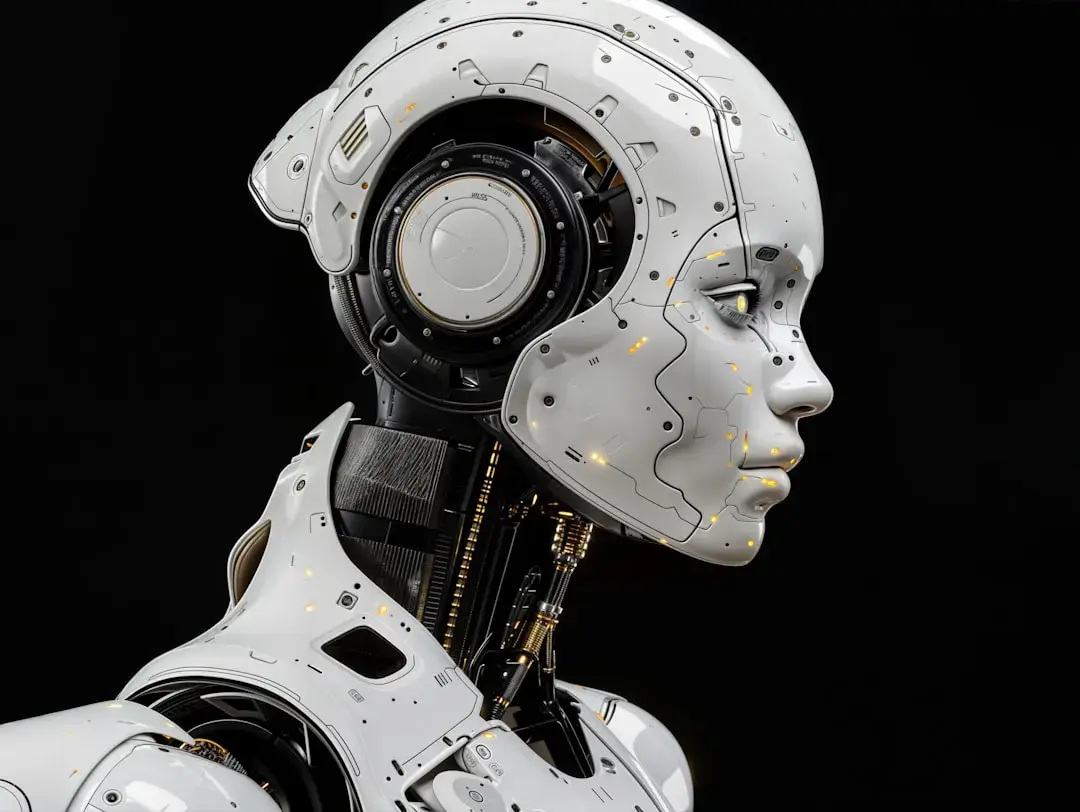
Bridging the Gap Between Simulation and Reality
Humanoid robotics is entering a transformative phase as developers push machines to perform complex, real-world tasks. Recent advancements in artificial intelligence have accelerated the capabilities of these bipedal systems. However, researchers continue to grapple with fundamental limitations in generalization and long-term task execution. These challenges remain the primary barriers to widespread industrial and domestic deployment today.
Breaking news
 Town AI Secures $108 Million Series B, Valued at $1 Billion After $55 M Pre‑Series
 Apple Prepares for Major Product Launch Event on October 28
 Apple Releases Release Candidates for watchOS, tvOS and visionOS 27.2
 Apple Limits iPhone Duo and iPhone 18 Pro Max to Reservation-Only Sales in Japan and South Korea
Engineers are currently shifting focus from simple, repetitive motions to more nuanced, multi-step operations. Modern robots must now navigate unpredictable environments while maintaining balance and precision. The integration of sophisticated neural networks allows these machines to interpret sensory data more effectively. Despite this progress, achieving consistent performance across varied settings remains a difficult technical feat.
Can Robots Master Complex Multi-Stage Workflows?
The transition from controlled laboratory environments to chaotic real-world spaces is the most significant hurdle for robotics companies. While simulations allow for rapid training, physical hardware often struggles with unexpected environmental variables. Developers are working to refine sensor fusion and motor control algorithms to improve adaptability. These improvements are essential for robots tasked with navigating human-centric spaces like warehouses or hospitals.
A major ongoing challenge involves completing sequences of tasks that require long-term planning. Current systems often excel at isolated movements but falter when a process requires sustained logic over several minutes. Researchers are exploring new architectures that enable robots to maintain state awareness throughout extended operations. Solving this issue is critical for moving beyond simple demonstrations into true functional utility.
The future of humanoid robotics depends on overcoming these reliability gaps. As AI models become more robust, the ability for machines to generalize their training to new scenarios will improve. If developers successfully refine long-term planning capabilities, humanoids could soon become standard assets in high-stakes industries. This evolution promises to redefine how automation is integrated into our daily lives.
Frequently Asked Questions
Why is generalization so difficult for humanoid robots? Generalization is hard because robots often struggle to apply training from controlled simulations to the unpredictable nature of real-world environments. Small variations in lighting, texture, or physical layout can disrupt their programmed logic.
What is the primary obstacle to completing long tasks? The main issue is maintaining state awareness and logical continuity over an extended period. Most current robots lack the memory and planning depth required to manage complex sequences without human intervention.