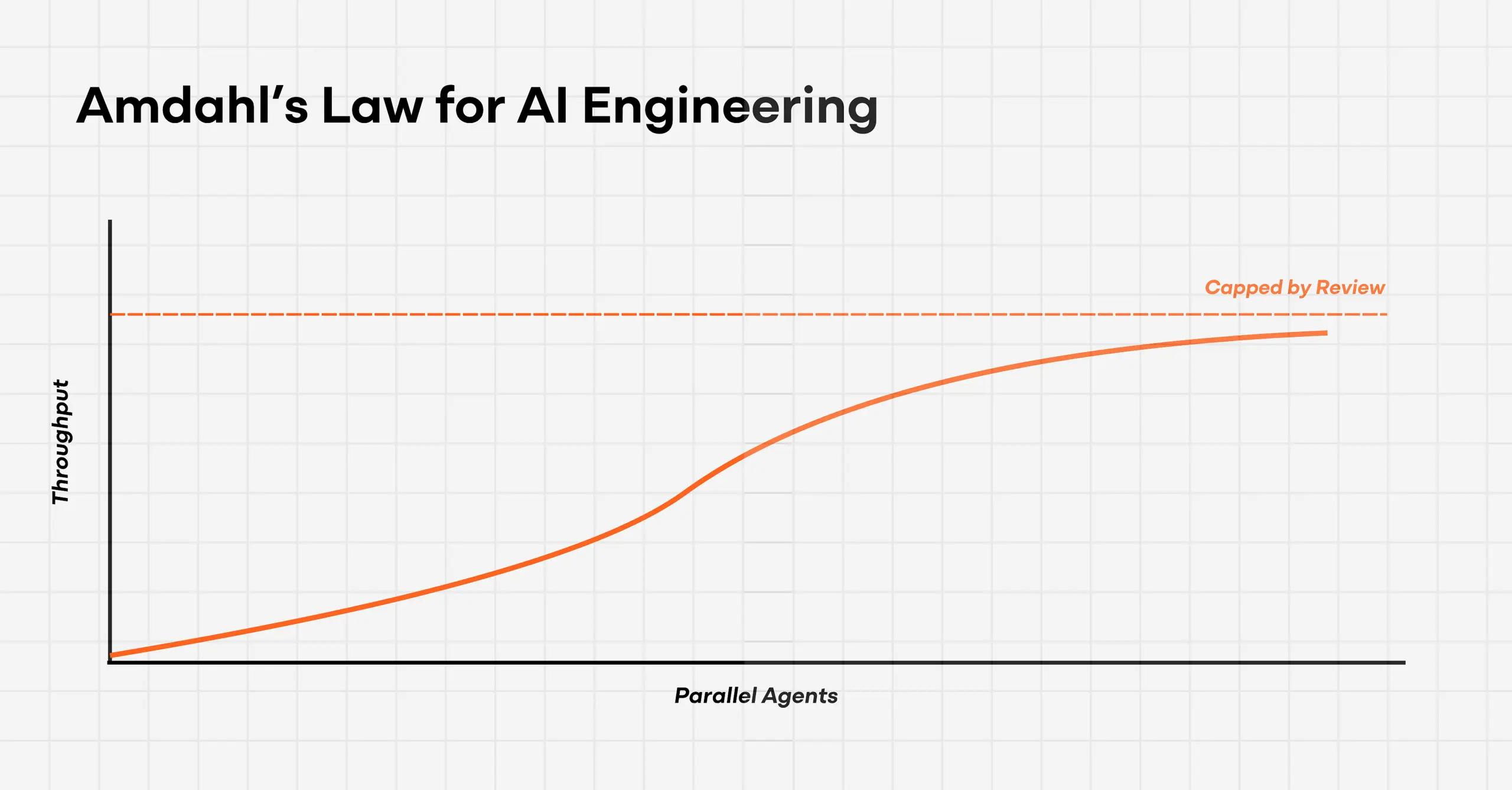
From Manual Scripters to System Orchestrators
Software engineers are witnessing a rapid shift as artificial intelligence evolves from simple autocomplete tools into sophisticated autonomous agents. These systems now interpret natural language, navigate complex codebases, execute modifications, and perform iterative testing without human intervention. This transformation is quickly turning individual contributors into high-level architects who oversee automated workflows.
Breaking news
 Canonical’s Web Presence Hit by Second DDoS Assault This Year
 Loops AI Secures $3.5 Million to Power a New AI Operating System for E‑Commerce
 Winverse AI Secures Tens of Millions in Seed Funding from DeepSeek and Long‑Z
 Google Adds Pixel 9 Series to Certified Refurbished Store
The speed of this transition has caught many industry professionals off guard. While developers previously focused on manual syntax and implementation, they are now managing intelligent systems that handle the heavy lifting of routine programming. This change forces engineers to adopt a broader, system-wide perspective on project architecture rather than focusing solely on individual lines of code.
Modern agents function as virtual team members capable of executing multi-step tasks independently. By offloading repetitive coding duties, engineers can shift their focus toward design, security, and long-term scalability. This evolution mirrors a managerial shift, where the human role becomes one of oversight, strategy, and verification rather than direct production.
Is Technical Autonomy Redefining the Engineering Career Path?
The shift is not merely about efficiency but about a fundamental change in the engineering mindset. When software is generated and tested by machines, the human developer must become an expert in validation and architecture. Mastery of the codebase now requires understanding how these autonomous agents interact with existing infrastructure and complex dependencies.
As agents take over the mechanics of coding, the distinction between junior and senior roles is blurring. Junior engineers may find themselves managing complex automated processes much earlier in their careers. Meanwhile, senior engineers are increasingly acting as architects who define the parameters and constraints within which these AI agents operate.
Frequently Asked Questions
This trend suggests that the future of software development will prioritize high-level problem-solving and architectural foresight. As human involvement in the actual typing of code diminishes, the ability to guide and audit AI-driven output will become the most valuable skill in the industry. The era of the autonomous developer is already here, changing the profession permanently.
What is the primary role of an AI coding agent? An AI agent interprets natural language requests to inspect code, implement changes, and run tests independently. It acts as an autonomous worker that handles the execution phase of software development.
How does this shift affect individual engineers? Engineers are moving away from manual coding toward architectural oversight. They must now focus on verifying AI output and designing systems that these agents can effectively manage.