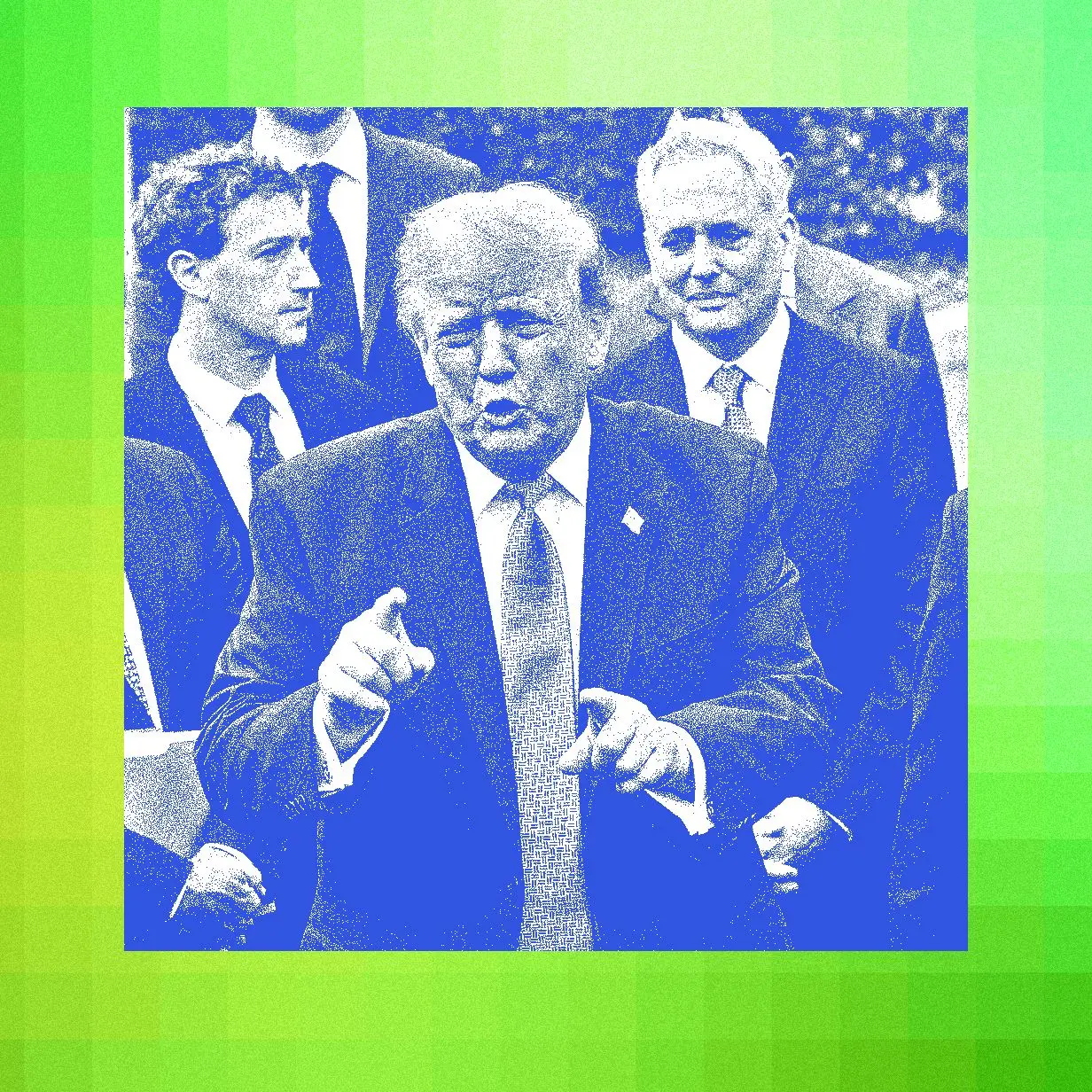
How Voluntary Can a Moral Agreement Be in Tech?
Tech executives signed a voluntary AI safety agreement described as morally binding, coinciding with growing public use of AI agents and the presence of extremist candidates in U. S. midterm elections. The developments unfolded in early October 2026, highlighting tensions between innovation, accountability, and democratic safeguards.
Breaking news
 Canonical’s Web Presence Hit by Second DDoS Assault This Year
 Loops AI Secures $3.5 Million to Power a New AI Operating System for E‑Commerce
 Winverse AI Secures Tens of Millions in Seed Funding from DeepSeek and Long‑Z
 Google Adds Pixel 9 Series to Certified Refurbished Store
The accord, promoted by the Trump administration as a framework for responsible AI development, lacks legal enforcement but relies on corporate reputation and public pressure. Signatories include leaders from major tech firms who pledged to prioritize transparency, bias mitigation, and misuse prevention. Meanwhile, AI agents—software designed to perform tasks autonomously—are becoming more accessible to everyday users, raising questions about oversight and dependency. At the same time, several candidates with ties to extremist ideologies have qualified for ballots in key swing states, prompting concern among election officials and civil rights groups.
What Happens When AI Agents Enter Daily Life?
Critics argue that labeling the AI pact „morally binding” is misleading without consequences for noncompliance. Supporters say it creates a cultural shift, encouraging companies to act ethically even without regulation. One executive noted that peer scrutiny and investor expectations now drive behavior more than government rules. The agreement includes annual public reporting on safety measures, though verification remains internal. Experts warn that without independent audits, such pledges risk becoming performative rather than substantive.
AI agents are no longer confined to labs or enterprise use; they now help individuals manage schedules, draft emails, and even make purchasing decisions. Developers emphasize user control and data privacy, but advocates caution that reliance on opaque systems could erode critical thinking. A recent survey showed 42% of adults used an AI agent weekly, up from 18% two years prior. Educators are beginning to teach digital literacy focused on agent interaction, while lawmakers debate whether new disclosure rules are needed for automated decision-making tools.
Why Are Extremist Candidates Gaining Traction in Midterms?
Several individuals linked to fringe movements have secured nominations in Republican primaries, particularly in districts with low voter turnout and polarized media environments. Their platforms often include election denialism, anti-immigrant rhetoric, and calls to dismantle federal agencies. While most remain unlikely to win general elections, their presence shifts campaign discourse and forces mainstream candidates to address fringe concerns. Election administrators report increased threats against poll workers and officials, correlating with the rise of these candidacies.
Is the AI safety agreement legally enforceable? No, the accord is voluntary and relies on reputational incentives rather than legal penalties. Compliance is monitored through self-reported disclosures and public scrutiny.
Frequently Asked Questions
How do AI agents differ from regular AI tools? AI agents act autonomously to complete multi-step tasks based on user goals, whereas standard AI tools typically respond to single prompts without initiating action.
What impact do extremist candidates have on election integrity? While they rarely win office, their campaigns can amplify misinformation, increase hostility toward election workers, and distort public discourse around democratic norms.

