Can TSMC Scale Fast Enough?
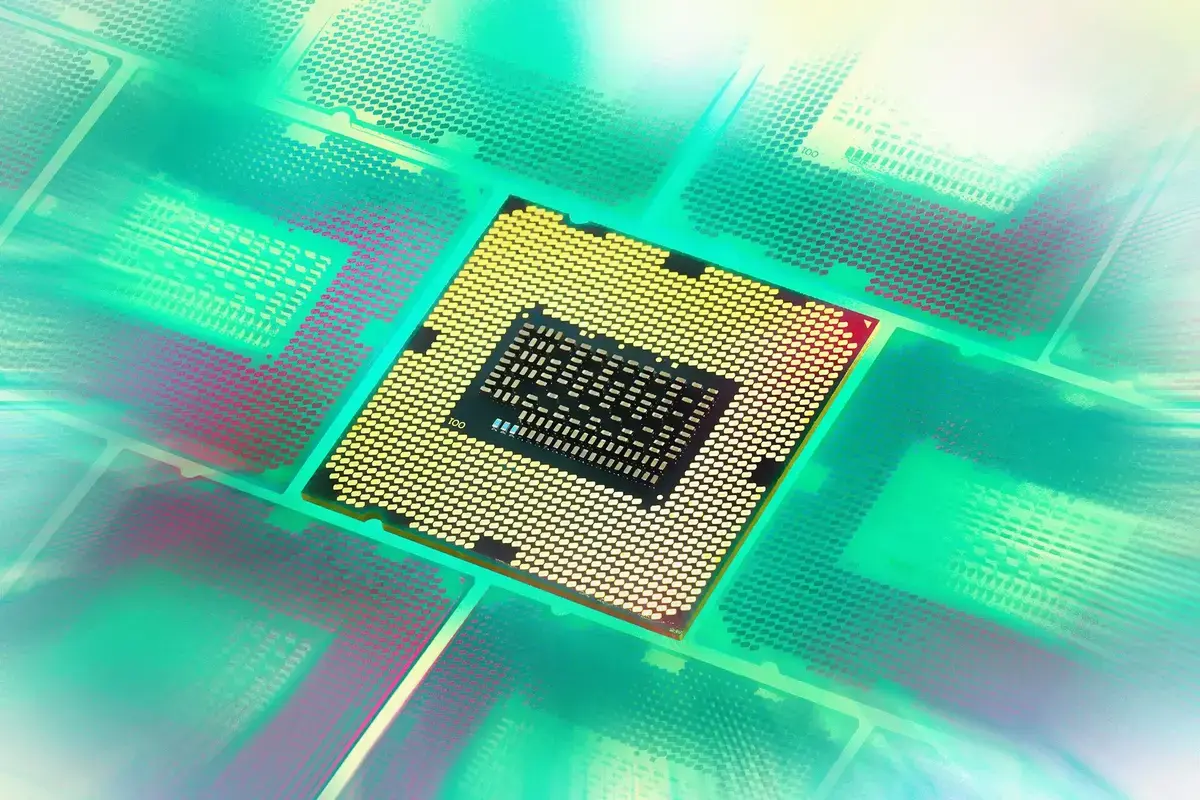
Taiwan Semiconductor Manufacturing, the leading chipmaker, is struggling to meet the soaring demand for advanced semiconductors. The company, vital to the AI industry, indicates it’s nearing capacity. This impacts production of chips needed for artificial intelligence applications globally. The situation is unfolding now, creating potential bottlenecks.
Breaking news
 Canonical’s Web Presence Hit by Second DDoS Assault This Year
 Loops AI Secures $3.5 Million to Power a New AI Operating System for E‑Commerce
 Winverse AI Secures Tens of Millions in Seed Funding from DeepSeek and Long‑Z
 Google Adds Pixel 9 Series to Certified Refurbished Store
The surge in AI development has created unprecedented demand. Companies are racing to build and deploy AI models, requiring increasingly powerful chips. TSMC dominates the market for these cutting-edge semiconductors, particularly those needed for GPUs and AI accelerators. They are essential for training and running AI. Meeting this demand is proving exceptionally difficult, even for a giant like TSMC.
TSMC’s struggles aren’t due to a lack of investment. The company is spending billions to expand its manufacturing capabilities. However, building new fabrication plants, or „fabs,” is a complex and time-consuming process. It requires specialized equipment and a highly skilled workforce. Simply adding capacity isn’t a quick fix.
Will This Slow AI Innovation?
„We can only support so much,” a TSMC representative reportedly stated, highlighting the physical limits of expanding production. The company prioritizes its largest and most consistent customers. This leaves smaller players and new entrants potentially facing delays. The current situation could reshape the competitive landscape within the AI sector.
The limited chip supply raises concerns about the pace of AI innovation. If companies can’t secure the necessary semiconductors, it could hinder their ability to develop and deploy new AI applications. This impacts everything from self-driving cars to medical diagnostics. The effect could ripple through numerous industries.
Some analysts predict a period of constrained growth for the AI sector. Others believe it will accelerate the search for alternative chip suppliers and manufacturing locations. Diversification of the supply chain is a long-term goal, but it won’t solve the immediate problem. The current imbalance between supply and demand is likely to persist for the foreseeable future. This could lead to increased chip prices and longer lead times.
Frequently Asked Questions
What is TSMC’s role in the AI industry? TSMC is the world’s largest contract manufacturer of semiconductors. They produce the advanced chips used in most AI applications, including those powering large language models and machine learning algorithms. Their manufacturing expertise is critical to the entire AI ecosystem.
How long will these chip shortages last? Experts predict the imbalance between AI chip supply and demand will continue for at least the next few years. Building new fabrication facilities takes significant time and investment. Demand continues to grow rapidly, exacerbating the problem.
What are the alternatives to TSMC? While TSMC dominates the market, companies like Samsung and Intel are also investing in advanced semiconductor manufacturing. However, they currently lack the same scale and technological leadership. Diversifying the supply chain is a priority, but it’s a gradual process.