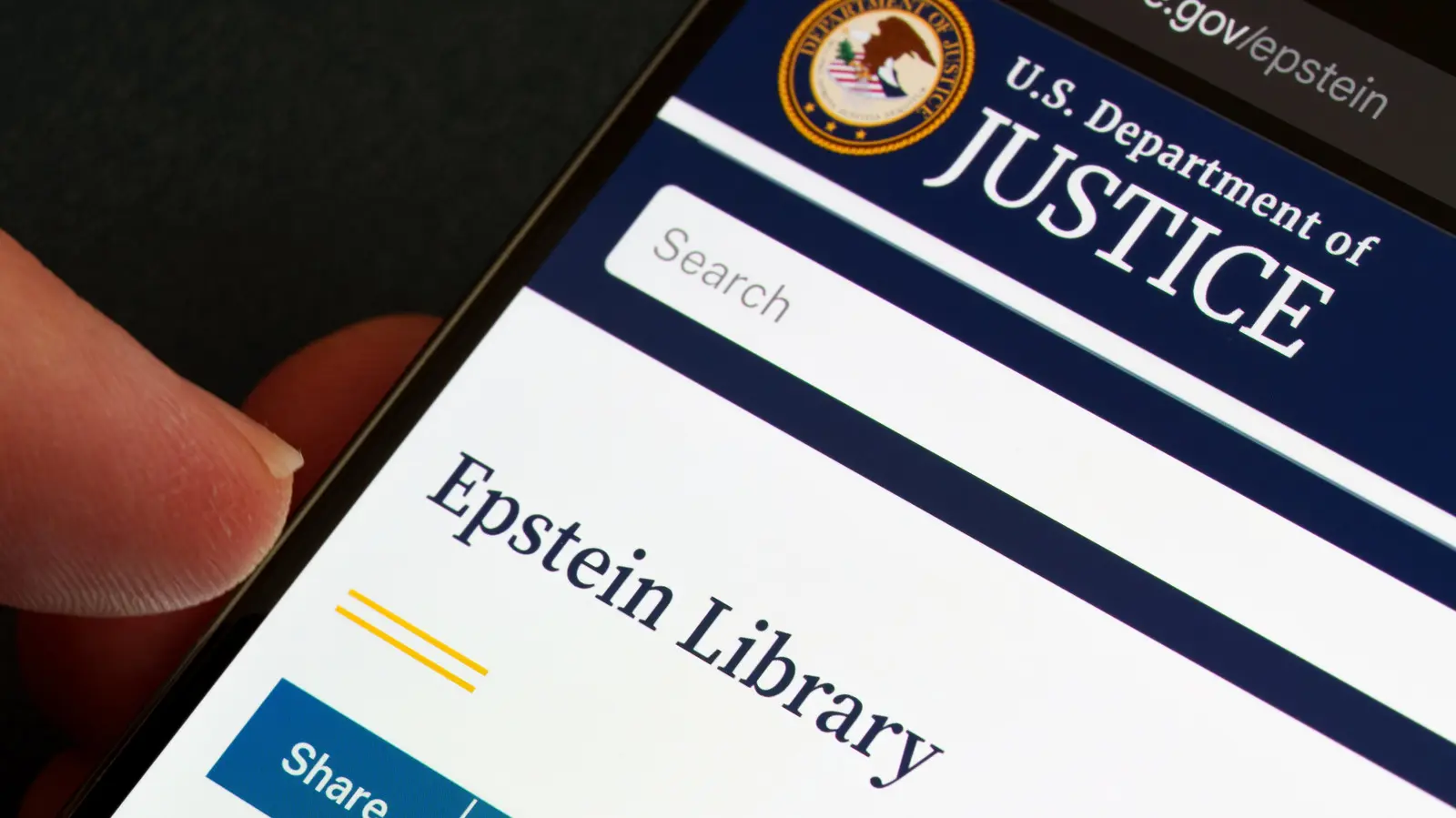
Could AI Increase Government Secrecy Under the Guise of Efficiency?
The Department of Homeland Security plans to use artificial intelligence to assist in redacting sensitive information from documents released under the Freedom of Information Act. Starting in late 2026, DHS will employ Google's AI tools to analyze records and suggest which portions should be blacked out before public release. The initiative aims to streamline the redaction process amid growing volumes of FOIA requests.
Breaking news
 Canonical’s Web Presence Hit by Second DDoS Assault This Year
 Loops AI Secures $3.5 Million to Power a New AI Operating System for E‑Commerce
 Winverse AI Secures Tens of Millions in Seed Funding from DeepSeek and Long‑Z
 Google Adds Pixel 9 Series to Certified Refurbished Store
AI-Assisted Redaction Raises Transparency Concerns Officials say the technology will help identify classified data, personal privacy details, and law enforcement sensitive material more efficiently than manual review. However, critics warn that automated systems may err on the side of caution, leading to excessive withholding of information. The use of AI in government transparency processes marks a significant shift in how public records are handled, potentially affecting journalists, researchers, and citizens seeking government accountability.
What Safeguards Exist to Prevent Over-Redaction?
The DHS emphasizes that human reviewers will retain final authority over all redaction decisions, with AI serving only as a recommendation tool. Still, transparency advocates express concern that reliance on algorithmic suggestions could normalize broader secrecy, especially if agencies face pressure to reduce processing times. Past incidents involving automated surveillance and data analysis have shown how technology can inadvertently expand government control over information access.
The agency states that AI models will be trained on historical redaction patterns and legal guidelines to minimize errors. Regular audits and oversight mechanisms are planned to monitor outcomes and ensure compliance with FOIA requirements. Despite these assurances, watchdog groups call for independent testing of the AI system before full deployment, citing risks of bias and lack of transparency in how the algorithms make their recommendations.
Will the AI make final redaction decisions? No, DHS officials confirm that human reviewers will have the final say on all redactions, with AI only providing suggestions to assist in the process.
Frequently Asked Questions
What types of information will the AI be trained to identify? The system is designed to recognize classified material, personal data protected by privacy laws, and law enforcement sensitive content based on existing DHS redaction protocols.
How will the public know if AI was used in redacting a document? DHS has not yet specified whether disclosure of AI assistance will be included in released documents, raising questions about transparency in the use of the technology itself.

