Why VMware Isn't Fighting to Stay on Top
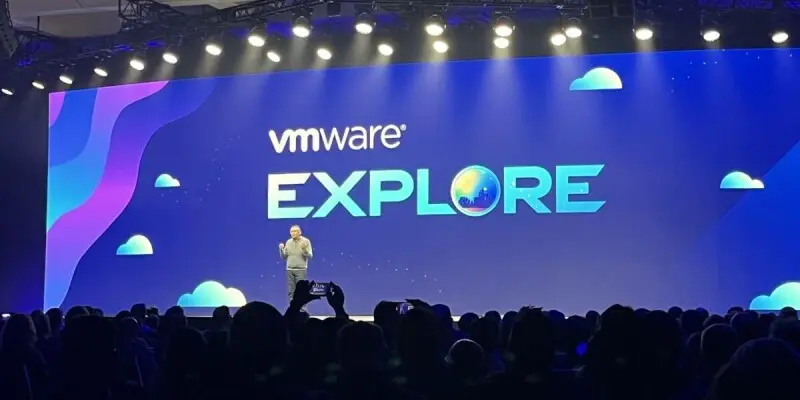
VMware, long the undisputed leader in server virtualization, is poised to lose its dominant position after two decades at the top. This shift, expected to unfold gradually before accelerating by October 2024, reflects a broader industry trend where innovation in traditional virtualization has stalled. The company appears unfazed by the change, focusing instead on emerging opportunities in AI and Kubernetes workloads.
Breaking news
 Town AI Secures $108 Million Series B, Valued at $1 Billion After $55 M Pre‑Series
 Apple Prepares for Major Product Launch Event on October 28
 Apple Releases Release Candidates for watchOS, tvOS and visionOS 27.2
 Apple Limits iPhone Duo and iPhone 18 Pro Max to Reservation-Only Sales in Japan and South Korea
The real battleground now centers on which vendors will capture the majority of AI and container-based workloads, not on who controls the legacy virtualization market. As enterprises modernize infrastructure, they are splitting virtualization functions across different platforms optimized for specific use cases. This fragmentation, or balkanization, reduces the need for a single all-encompassing virtualization solution. VMware's traditional strength in general-purpose server virtualization is becoming less relevant as workloads diversify.
What Does This Mean for Innovation in Virtualization?
VMware's leadership has signaled that losing the virtualization crown is not a concern because the market's center of gravity has moved. The company is redirecting resources toward platforms that support AI training, inference, and Kubernetes orchestration—areas where growth and innovation remain strong. By stepping back from defending its legacy position, VMware aims to avoid investing in a declining segment while positioning itself for higher-value opportunities. This strategic retreat allows competitors to fight over shrinking margins in traditional virtualization.
The decline of a dominant player like VMware raises questions about future progress in core virtualization technology. With no single vendor driving innovation, development may slow as companies focus on incremental improvements rather than breakthroughs. However, this vacuum could also spur specialization, with niche players advancing virtualization for specific industries or workload types. The overall effect may be a more fragmented but potentially more tailored ecosystem, even if broad innovation in the base layer diminishes.
Is VMware completely abandoning the virtualization market? No, VMware is not exiting the market but is reducing its focus on maintaining dominance in traditional server virtualization as it shifts priorities toward AI and Kubernetes-related technologies.
Frequently Asked Questions
Will customers see immediate changes in VMware products? Changes will be gradual, with VMware continuing to support existing products while gradually emphasizing new platforms aligned with AI and container workloads over the next year.
Could another vendor replace VMware as the virtualization leader? It is unlikely any single vendor will regain VMware's former dominance, as the market is moving toward a split model where different tools handle different workloads rather than one universal solution.