Executives Embrace Self-Regulation Over Federal Mandates
President Donald Trump announced a new framework for artificial intelligence safety on September 30, 2026. The plan involves dozens of major technology companies agreeing to conduct voluntary safety tests. These firms will assess their models before releasing them to the public. The initiative aims to mitigate potential risks associated with advanced AI systems. This approach marks a significant shift toward industry-led regulation rather than strict government mandates.
Breaking news
 DIG Ventures Secures Fresh Capital for Next-Gen Tech
 Anthropic Launches Claude for Government, Expands Code AI Capabilities
 Tencent Secures Oracle Deal for Advanced AI Chips via Southeast Asia
 DNA Storage Capsules Promise Massive Data Longevity
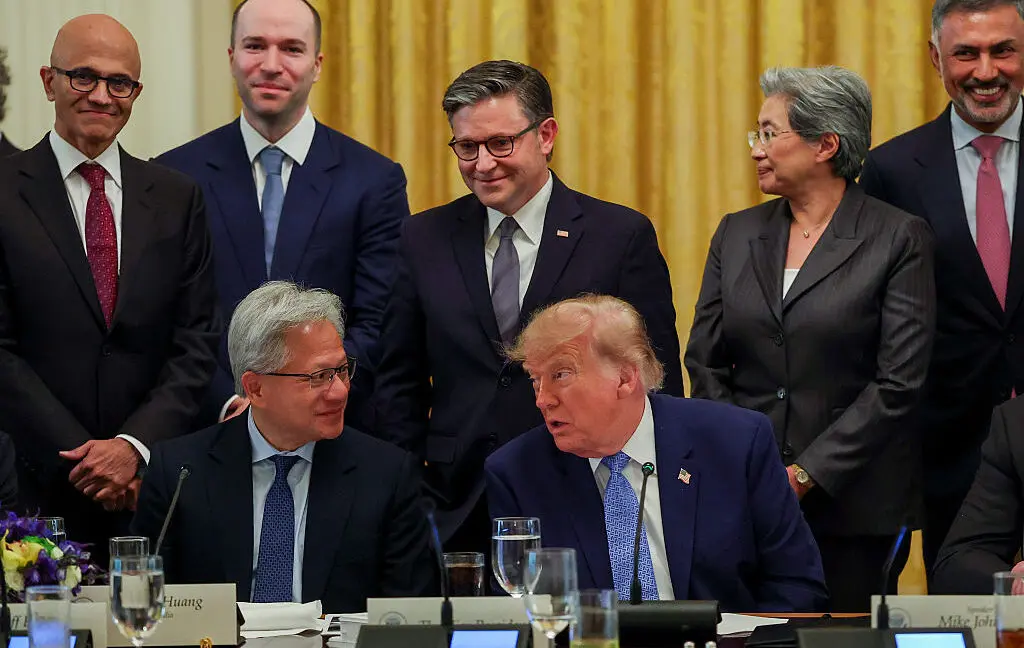
The agreement centers on what officials describe as morally binding commitments. Major tech leaders gathered at the White House to sign off on the guidelines. Nvidia CEO Jensen Huang attended the meeting alongside other executive figures. They discussed how to balance innovation with safety without slowing down development. The administration believes this collaborative model will foster faster progress. Critics argue that relying on self-policing may leave gaps in oversight.
The core of the strategy involves companies testing their own algorithms. Firms must identify vulnerabilities and report findings to regulators. This process is designed to catch errors before they reach end users. The government will review these reports but retains limited power to enforce changes. Proponents claim this method avoids bureaucratic delays that often plague federal rulemaking. It allows companies to adapt quickly to emerging threats in the AI landscape.
Does Voluntary Compliance Ensure Real Accountability?
During the White House meeting, executives emphasized the importance of flexibility. They argued that rigid laws could stifle creativity and global competitiveness. The voluntary nature of the pact encourages participation from smaller startups as well. Larger corporations set the standard through their extensive testing protocols. Smaller firms can then adopt similar frameworks to ensure market access. This tiered approach creates a layered defense against AI-related incidents.
Skeptics question whether companies will prioritize safety over speed. Financial incentives often drive rapid product launches in the tech sector. A voluntary system lacks the teeth of mandatory legal requirements. If a major failure occurs, accountability may remain diffuse among partners. The administration plans to publish regular updates on compliance status. Transparency is key to maintaining public trust in the new system. Without clear penalties, the moral weight of the agreement remains the primary enforcement tool.
Frequently Asked Questions
The outcome of this plan will shape the future of AI governance. If successful, it could become a global template for managing technological risk. Failure might lead to calls for stricter legislative intervention. Investors are watching closely to see if safety measures affect profitability. The next few months will reveal whether the voluntary model holds under pressure. The balance between innovation and caution remains a delicate tightrope walk for the industry.
Will the government force companies to follow the new rules? No, the current plan relies on voluntary participation and moral commitments. Companies agree to test their systems, but strict legal penalties are not yet part of the framework.
Who is leading the implementation of these safety tests? Dozens of major AI firms are responsible for conducting the initial assessments. Executive teams within these companies will manage the testing processes and report results to regulators.