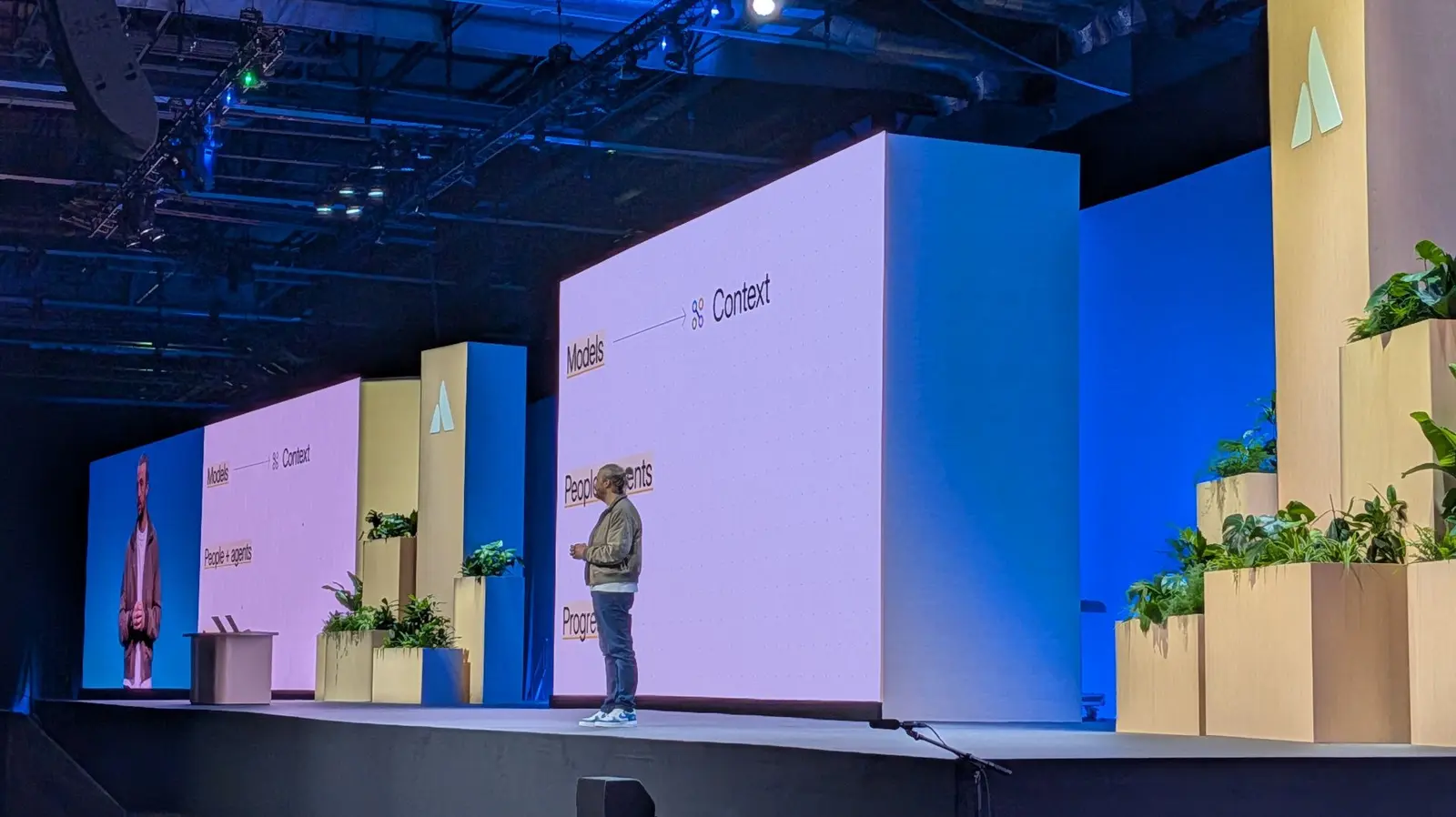
AI as the Company’s Nervous System
Atlassian CEO Mike Cannon‑Brookes told investors in Sydney on October 7, 2026 that the company’s software will act as a „central nervous system” for businesses navigating the rise of agentic AI. He emphasized that AI tools are no longer solo assistants but collaborative partners that must integrate with human workers across the enterprise.
Breaking news
 Canonical’s Web Presence Hit by Second DDoS Assault This Year
 Loops AI Secures $3.5 Million to Power a New AI Operating System for E‑Commerce
 Winverse AI Secures Tens of Millions in Seed Funding from DeepSeek and Long‑Z
 Google Adds Pixel 9 Series to Certified Refurbished Store
Cannon‑Brookes explained that Atlassian’s suite—Jira, Confluence, and the newer AI‑enhanced OpsHub—will orchestrate data, workflows, and decision‑making, allowing teams to delegate routine tasks to AI agents while retaining strategic oversight. He warned that the hype around fully autonomous agents is overstated; instead, the future lies in hybrid teams where humans and AI share responsibilities. The CEO cited a recent internal study showing a 27 % boost in project delivery speed when AI‑driven suggestions were combined with human validation.
Atlassian aims to embed AI deep into the fabric of daily work. The company’s roadmap includes „Agentic Workflows,” a set of APIs that let developers create custom AI bots that can read tickets, propose solutions, and even trigger code deployments. According to Cannon‑Brookes, these bots will not replace developers but will surface relevant knowledge, cutting the time spent searching documentation by half.
Will AI Agents Overtake Human Roles?
„Think of AI as the reflex arc of your organization,” he said. „When a bug is reported, an AI can instantly pull logs, suggest a fix, and alert the right engineer. The human still decides, but the latency drops dramatically.” Early adopters in the finance sector reported a 15 % reduction in incident resolution time after integrating these agents with their existing monitoring tools.
Cannon‑Brookes is quick to dismiss the notion that AI will soon render many jobs obsolete. He argues that the technology amplifies human capabilities rather than supplanting them. „Agents excel at pattern recognition and repetitive tasks, but they lack judgment, empathy, and the ability to navigate ambiguous business contexts,” he noted. The CEO highlighted that Atlassian’s platform includes safeguards that require human approval before any AI‑suggested change goes live.
The company’s data privacy team also stresses that AI agents must operate within strict governance frameworks. By logging every AI decision and providing audit trails, Atlassian ensures compliance with regulations such as GDPR and the upcoming AI Transparency Act.
Outlook: A Collaborative Future
Looking ahead, Atlassian plans to roll out a marketplace for third‑party AI agents, enabling companies to plug in specialized bots for legal review, marketing analytics, or supply‑chain optimization. Cannon‑Brookes predicts that by 2028, most mid‑size enterprises will rely on at least three AI agents within their core workflows. He believes this shift will create new roles—AI coordinators, prompt engineers, and ethics auditors—balancing the technical and human sides of work.
The CEO concluded that businesses that treat AI as a solo tool risk falling behind. Embracing a multiplayer approach, where AI and employees collaborate in real time, will be the key to staying competitive in the agentic AI era.
Frequently Asked Questions
How does Atlassian’s AI integration differ from traditional automation? Traditional automation follows static scripts, while Atlassian’s AI agents learn from data, adapt suggestions, and require human confirmation before execution.
Will AI agents have access to all company data? Access is governed by role‑based permissions; AI agents can only view data they are explicitly authorized to handle, ensuring compliance and security.
What new job roles might emerge from this AI‑human partnership? Positions such as AI workflow manager, prompt engineer, and AI ethics auditor are expected to grow as companies need specialists to oversee and fine‑tune AI collaboration.

