The reviews suggest frustration with systems that prioritize speed over accuracy
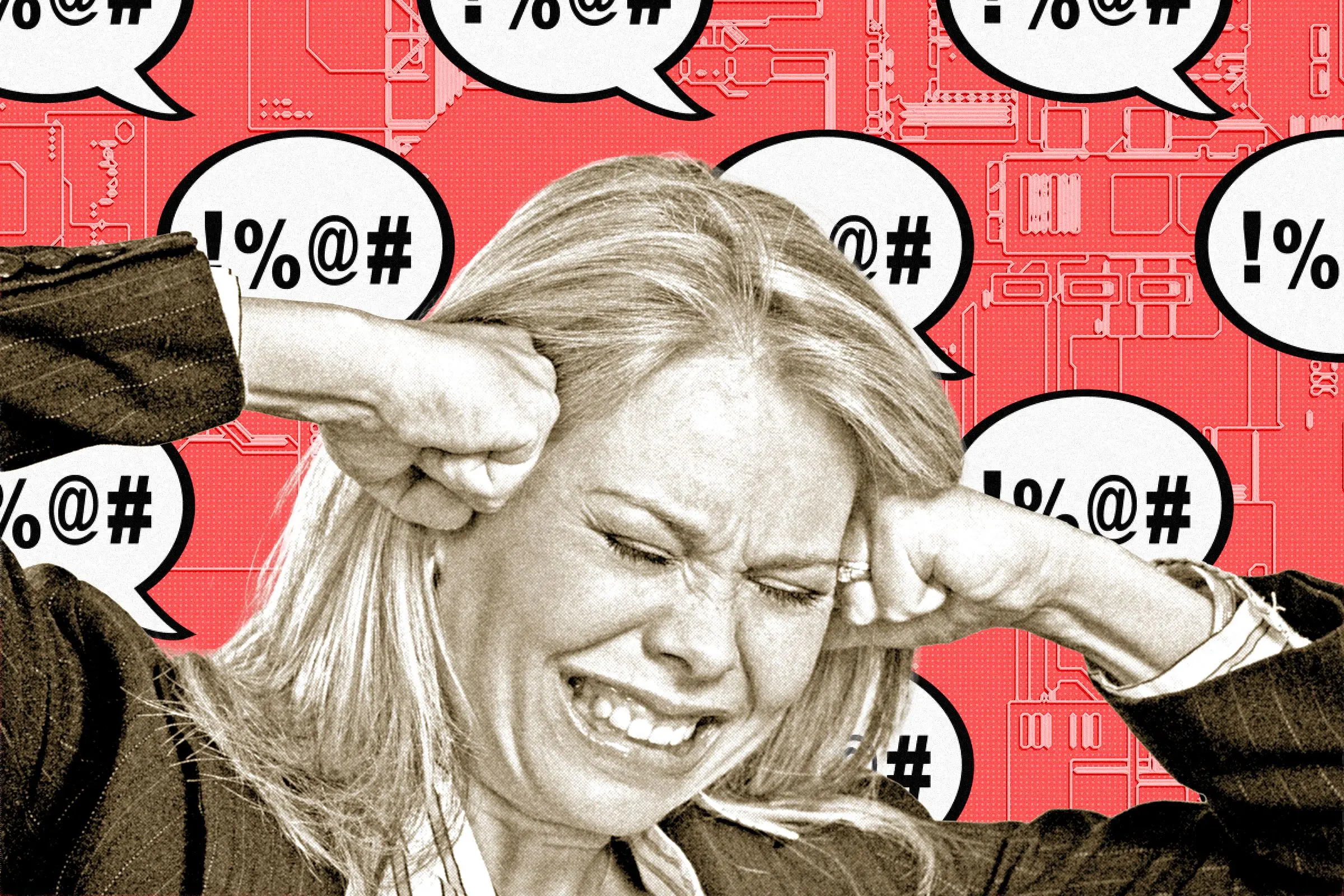
Insurance claims adjusters are expressing strong opposition to artificial intelligence in their work, according to recent Glassdoor reviews analyzed by WIRED. Of the reviews from claims adjusters that mentioned AI, a striking 98 percent were negative, revealing deep skepticism about the technology's role in their profession. The feedback highlights concerns that AI tools are being over-relied on despite their limitations in handling complex, nuanced cases. Many adjusters argue that while AI can assist with routine tasks, it lacks the judgment needed for intricate claims involving human suffering or ambiguous liability. One adjuster told WIRED that AI should never be given decision-making authority, emphasizing that it is merely a tool and not a replacement for human expertise.
Breaking news
 Town AI Secures $108 Million Series B, Valued at $1 Billion After $55 M Pre‑Series
 Apple Prepares for Major Product Launch Event on October 28
 Apple Releases Release Candidates for watchOS, tvOS and visionOS 27.2
 Apple Limits iPhone Duo and iPhone 18 Pro Max to Reservation-Only Sales in Japan and South Korea
The reviews suggest frustration with systems that prioritize speed over accuracy, potentially leading to unfair outcomes for claimants. Why Adjusters Fear Losing Control to Algorithms Adjusters worry that AI systems are being used to automate parts of the claims process that require empathy and contextual understanding, such as evaluating pain and suffering or assessing disputed facts. They note that algorithms often rely on historical data that may embed biases, resulting in inconsistent or unfair settlements. Some described feeling pressured to accept AI-generated recommendations even when they conflicted with their professional assessment, undermining their role as impartial evaluators. The resistance is not simply about job security but about maintaining quality and fairness in a process that directly affects people's lives after accidents or disasters.
Adjusters stress that human oversight is essential to catch errors that AI
Adjusters stress that human oversight is essential to catch errors that AI might miss, especially in cases involving incomplete reports or conflicting witness statements. Can AI Ever Earn Trust in Claims Work? Despite the current hostility, some adjusters acknowledge that AI could be useful if designed to support rather than replace human judgment. They suggest tools that flag potential fraud or highlight missing documentation might be beneficial, as long as the final decision remains with a trained professional. However, they insist that any AI system must be transparent, regularly audited for bias, and subject to override by human adjusters. The outlook remains tense, with many in the field calling for stricter guidelines on AI use in insurance claims.
Without meaningful involvement of frontline workers in designing and testing these tools, adjusters warn that resistance will grow and public trust in the claims process could erode. Frequently Asked Questions What specific tasks do claims adjusters believe AI should not handle? Adjusters argue AI should not make final decisions on claim validity, liability, or settlement amounts, especially in complex cases involving injuries or disputed facts, as it lacks human judgment and empathy. How do adjusters suggest AI could be used constructively in claims processing? They believe AI could help identify potential fraud or missing information in claims, but only as a supportive tool under human supervision, not as a replacement for professional assessment. Why is transparency important in AI systems used by insurance companies?
Adjusters stress that AI tools must be transparent and regularly checked for bias so that workers can understand and challenge outputs when necessary, ensuring fair and accurate claim outcomes.