Can Apple Catch Up in the Smart Home Race?
Apple is holding its inaugural smart home-focused event this week, marking a significant shift in how the company approaches connected home technology. The gathering brings together engineers, designers, and product leaders to showcase advancements in home automation, with a focus on integrating Apple’s ecosystem more deeply into everyday living spaces. While specific product announcements remain under wraps, the event signals Apple’s intent to strengthen its presence in a market dominated by rivals like Amazon and Google.
Breaking news
 Town AI Secures $108 Million Series B, Valued at $1 Billion After $55 M Pre‑Series
 Apple Prepares for Major Product Launch Event on October 28
 Apple Releases Release Candidates for watchOS, tvOS and visionOS 27.2
 Apple Limits iPhone Duo and iPhone 18 Pro Max to Reservation-Only Sales in Japan and South Korea
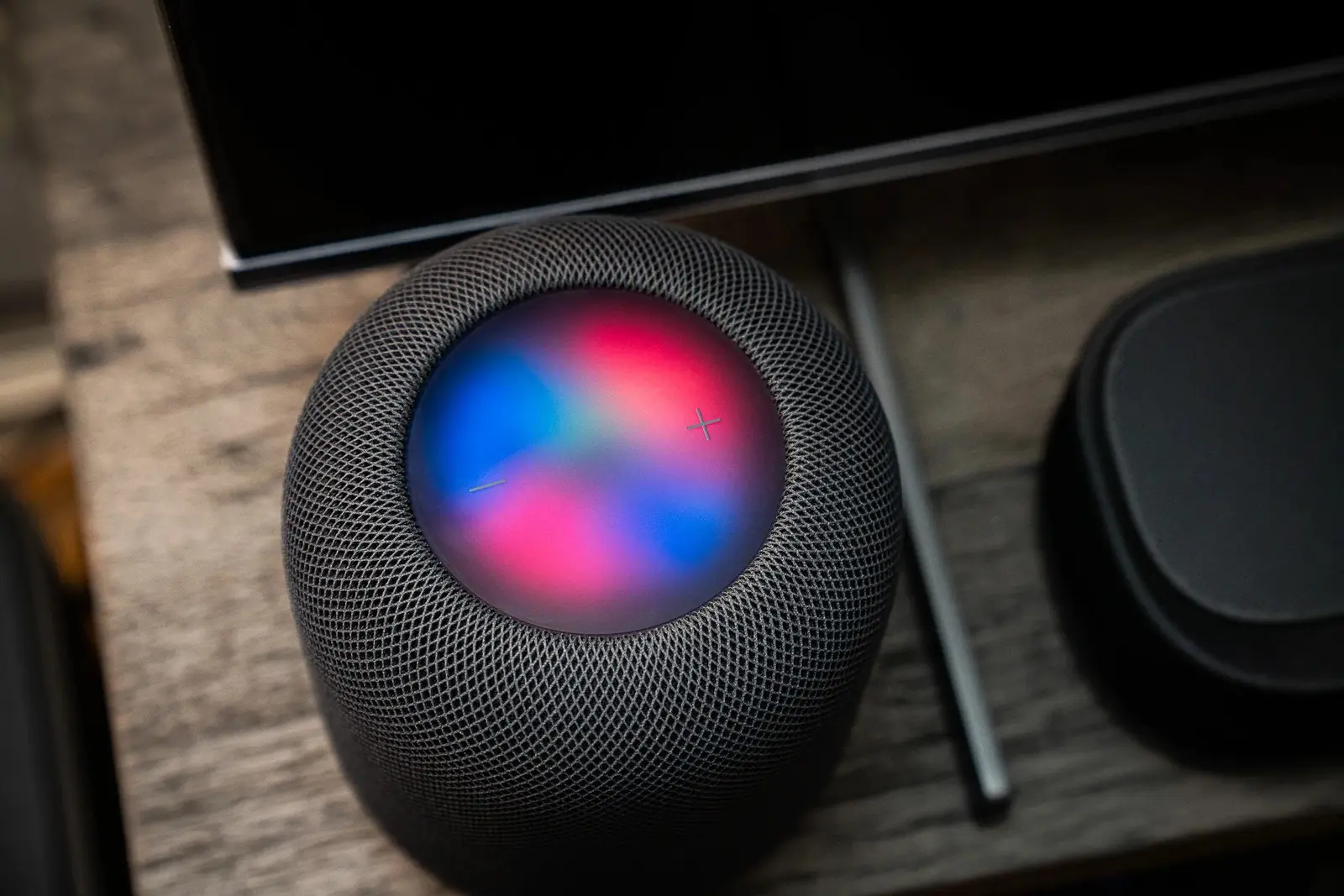
The company has long offered smart home capabilities through HomeKit and devices like the HomePod, but adoption has lagged behind competitors due to a closed ecosystem and higher price points. This event suggests Apple is reevaluating its strategy, potentially opening up greater compatibility with third-party accessories and emphasizing seamless user experiences across i Phone, iPad, and Apple Watch. Industry observers note that Apple’s strength lies in privacy and integration, which could become key differentiators if leveraged effectively in the home environment.
Despite a strong brand and loyal user base, Apple has struggled to gain traction in the smart home space compared to Amazon’s Alexa-driven dominance and Google’s deep AI integration. Analysts point out that HomeKit’s strict certification process, while ensuring security and reliability, has limited the number of compatible devices available to consumers. By contrast, rival platforms support thousands of products, giving users far more choice and flexibility.
What Could a More Open Approach Mean for Users?
Apple’s opportunity lies in refining the user experience rather than chasing sheer volume. By improving automation intuitiveness, enhancing Siri’s contextual understanding, and enabling smoother multi-device routines, Apple could appeal to users who prioritize ease of use and data privacy. The company may also be exploring new hardware categories, such as advanced home displays or improved sensors, to create more compelling entry points into its ecosystem.
Rumors suggest Apple might be considering relaxing some restrictions on HomeKit to allow broader accessory support, a move that could dramatically increase adoption. Such a shift would align with recent trends where Apple has gradually opened certain services, like allowing third-party music apps on HomePod or enabling FaceTime on Android and Windows.
A more inclusive approach could attract developers and manufacturers who have previously avoided HomeKit due to development complexity or licensing costs. If successful, this could lead to a richer ecosystem of smart lights, locks, cameras, and appliances that work natively with Apple devices—without requiring users to compromise on privacy or design aesthetics. The ultimate goal appears to be making the smart home feel less like a collection of gadgets and more like an intuitive extension of the Apple experience.
Frequently Asked Questions
Will Apple announce new smart home hardware at the event? While no official confirmation exists, industry speculation includes potential updates to the HomePod line, a new home hub device, or enhanced sensors for environmental monitoring. Any hardware reveals would likely emphasize integration with existing Apple products rather than standalone functionality.
How does Apple’s smart home strategy differ from competitors? Apple prioritizes privacy, on-device processing, and seamless integration across its ecosystem, whereas Amazon and Google often rely more heavily on cloud-based AI and broader third-party compatibility. Apple’s approach tends to be more curated, focusing on reliability and user experience over sheer device count.
Could a more open HomeKit platform help Apple gain market share? Yes, by reducing barriers for accessory makers, Apple could significantly expand the range of compatible products, making its platform more appealing to mainstream consumers. Increased compatibility, combined with Apple’s strengths in design and privacy, may help close the gap with current market leaders.