How Does Whole Body Intelligence Work?
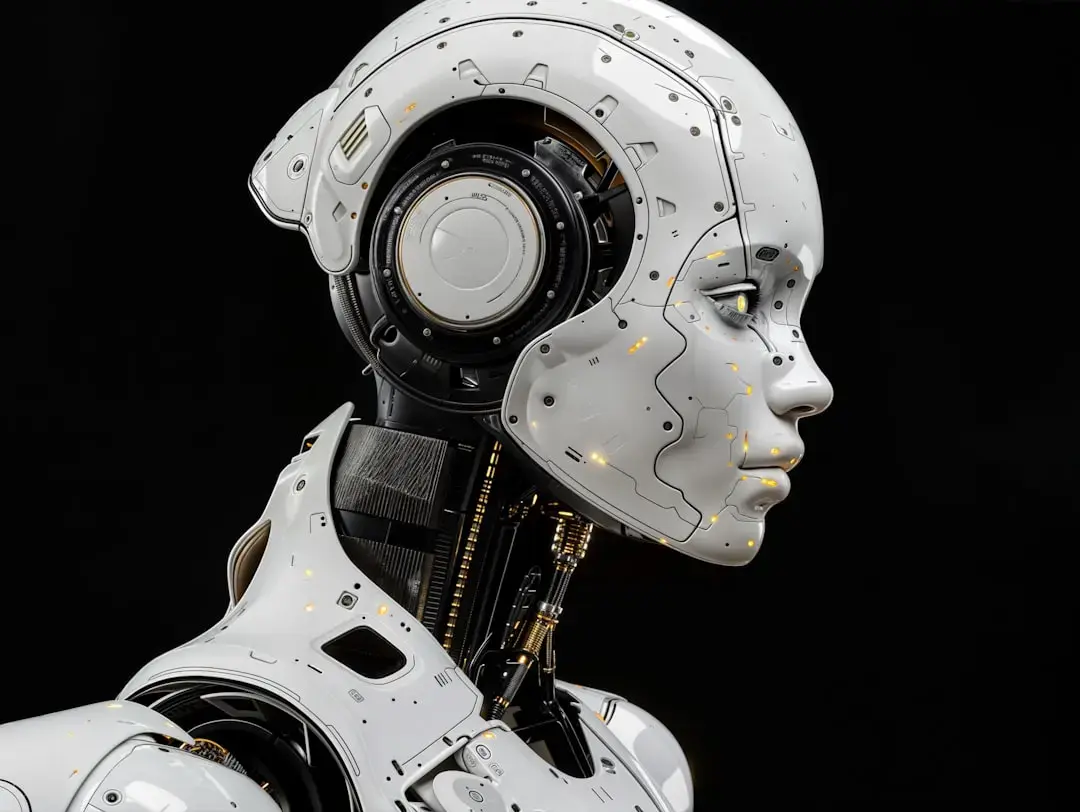
A significant leap in robotics was announced on July 30, 2026. New models now allow robots to understand and interact with their environment more completely. This advancement, dubbed whole body intelligence,promises to revolutionize how machines perform complex tasks.
Breaking news
 Town AI Secures $108 Million Series B, Valued at $1 Billion After $55 M Pre‑Series
 Apple Prepares for Major Product Launch Event on October 28
 Apple Releases Release Candidates for watchOS, tvOS and visionOS 27.2
 Apple Limits iPhone Duo and iPhone 18 Pro Max to Reservation-Only Sales in Japan and South Korea
This new intelligence integrates various sensory inputs and motor controls. Robots can now process information from their entire physical form. This leads to more coordinated and adaptive movements.
What Challenges Did Developers Overcome?
The core of this breakthrough lies in sophisticated AI models. These models process data from cameras, touch sensors, and internal proprioceptors simultaneously. This creates a unified perception of the robot's body and surroundings. Previously, robots often relied on separate systems for vision and movement. The new approach mimics how humans naturally perceive and react. This integrated understanding allows for more fluid and precise actions. It also enables robots to adapt to unexpected changes in their environment.
Developing this level of intelligence presented numerous hurdles. Integrating diverse data streams in real-time was a major technical challenge. Ensuring the robot's actions remained safe and predictable was also critical. Engineers had to create robust algorithms that could handle vast amounts of sensory input. They also needed to translate this data into meaningful physical responses. The goal was to achieve human-like dexterity and problem-solving. This required extensive training with complex datasets.
The implications for various industries are substantial. Manufacturing, logistics, and even healthcare could see significant improvements. Robots could perform delicate assembly tasks or assist in surgical procedures with greater precision. This technology moves robots closer to operating autonomously in dynamic, unstructured environments.
Frequently Asked Questions
What does whole body intelligencemean for robot capabilities? It means robots can use all their sensors and motors together, like humans do. This allows them to perform complex tasks with better coordination and adaptability in real-world settings.
How is this different from previous robot control systems? Older systems often had separate controls for different parts or functions. This new approach integrates all sensory and motor information into a single, unified intelligence for comprehensive understanding and action.