How Do These Systems Differ From Regular Phone or Computer OS?
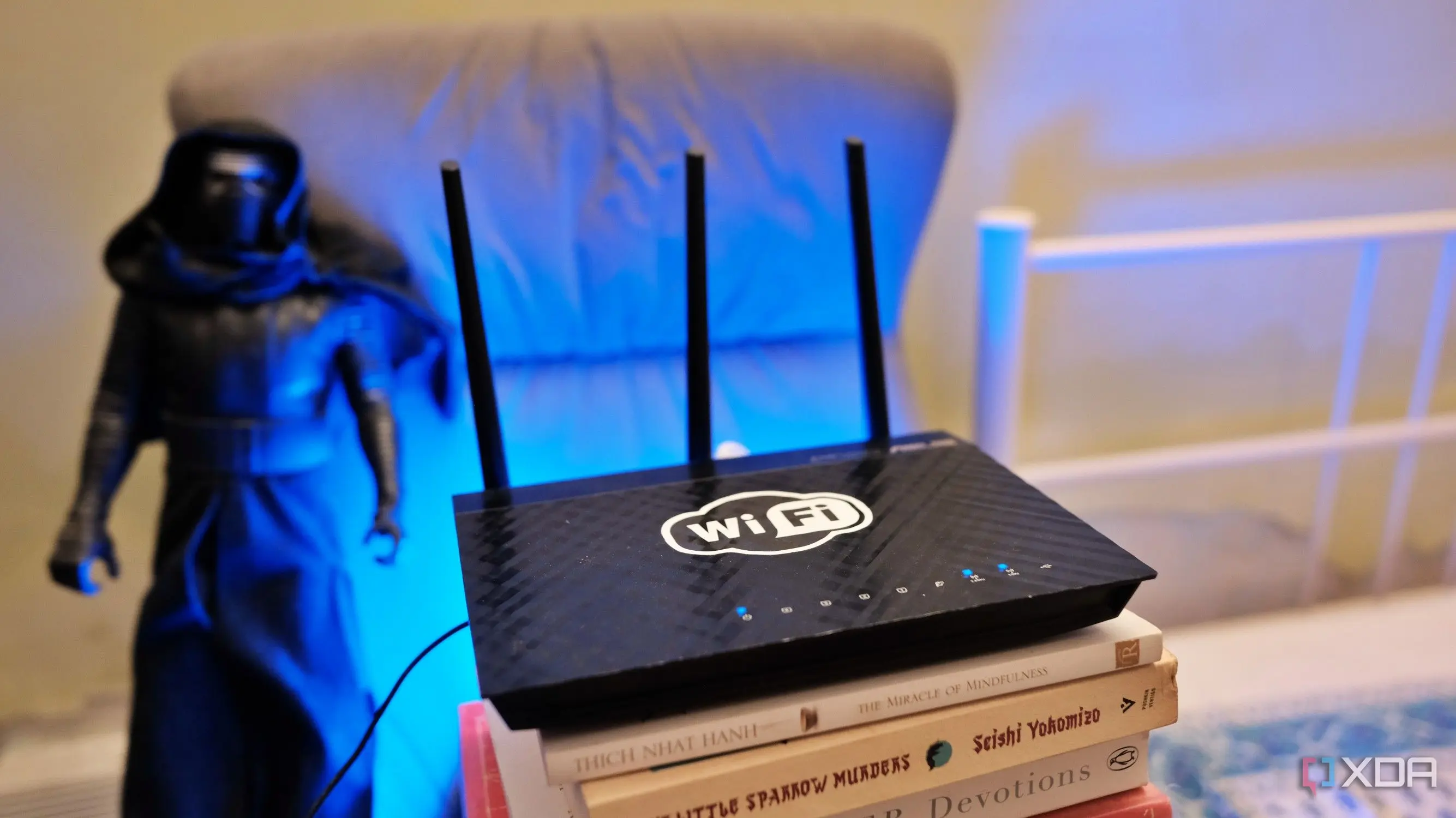
Every day, countless household gadgets operate silently thanks to specialized software most people never notice. From thermostats to washing machines, these embedded systems rely on lightweight operating systems designed for specific tasks rather than general computing. Unlike the familiar interfaces of smartphones or laptops, these systems work behind the scenes to manage sensors, motors, and connectivity without user interaction. Adam Conway, an Irish technology enthusiast with a computer science background and lead technical editor at XDA, highlights how these invisible platforms enable modern convenience in everyday appliances.
Breaking news
 Town AI Secures $108 Million Series B, Valued at $1 Billion After $55 M Pre‑Series
 Apple Prepares for Major Product Launch Event on October 28
 Apple Releases Release Candidates for watchOS, tvOS and visionOS 27.2
 Apple Limits iPhone Duo and iPhone 18 Pro Max to Reservation-Only Sales in Japan and South Korea
These operating systems prioritize efficiency and reliability over features, often running on minimal hardware with limited memory and processing power. Many are based on real-time kernels that guarantee immediate responses to sensor inputs, critical for safety functions like shutting off a stove when overheated. Others use stripped-down versions of Linux or proprietary platforms optimized for low energy consumption, allowing battery-powered devices to function for years. Conway notes that manufacturers choose these systems not for versatility but for stability in environments where updates are rare and failure is not an option. The software handles everything from motor timing in blenders to temperature regulation in refrigerators, all while remaining completely invisible to the end user.
Unlike general-purpose operating systems that support multitasking and third-party apps, embedded OS in appliances focus on executing a single set of functions flawlessly. They lack graphical interfaces, app stores, or background services, instead dedicating all resources to real-time control loops. For example, a smart oven’s OS might adjust heating elements every second based on probe feedback, a task requiring deterministic timing impossible on standard systems burdened by background updates. This specialization ensures predictability, which is essential when a device controls heat, motion, or water flow where delays could cause hazards or damage.
What Happens When These Invisible Systems Fail?
When an embedded OS malfunctions, the consequences range from minor inconvenience to serious safety risks, depending on the device. A frozen thermostat might overheat a home, while a corrupted washing machine controller could flood a laundry room. Because these systems rarely receive user-accessible updates, fixing issues often requires professional service or complete replacement. Conway emphasizes that the very invisibility that makes these systems reliable also complicates troubleshooting, as users cannot interact with or reset the underlying software like they would a smartphone. As homes fill with more connected devices, the dependence on these hidden operating systems grows, making their robustness increasingly vital to domestic safety and comfort. Frequently Asked Questions What makes an operating system suitable for appliances? Appliance operating systems need real-time responsiveness, low power consumption, and high reliability on limited hardware, prioritizing task-specific performance over general computing flexibility.
Can users update or modify these hidden systems? Typically no, as these systems are sealed for security and stability, with updates only possible through manufacturer service channels rather than user-initiated upgrades.
Why don’t manufacturers use standard OS like Android in all smart devices? Standard operating systems consume too much power and memory for simple tasks, introduce unnecessary complexity, and may lack the deterministic timing required for real-time control of motors, heaters, or sensors.