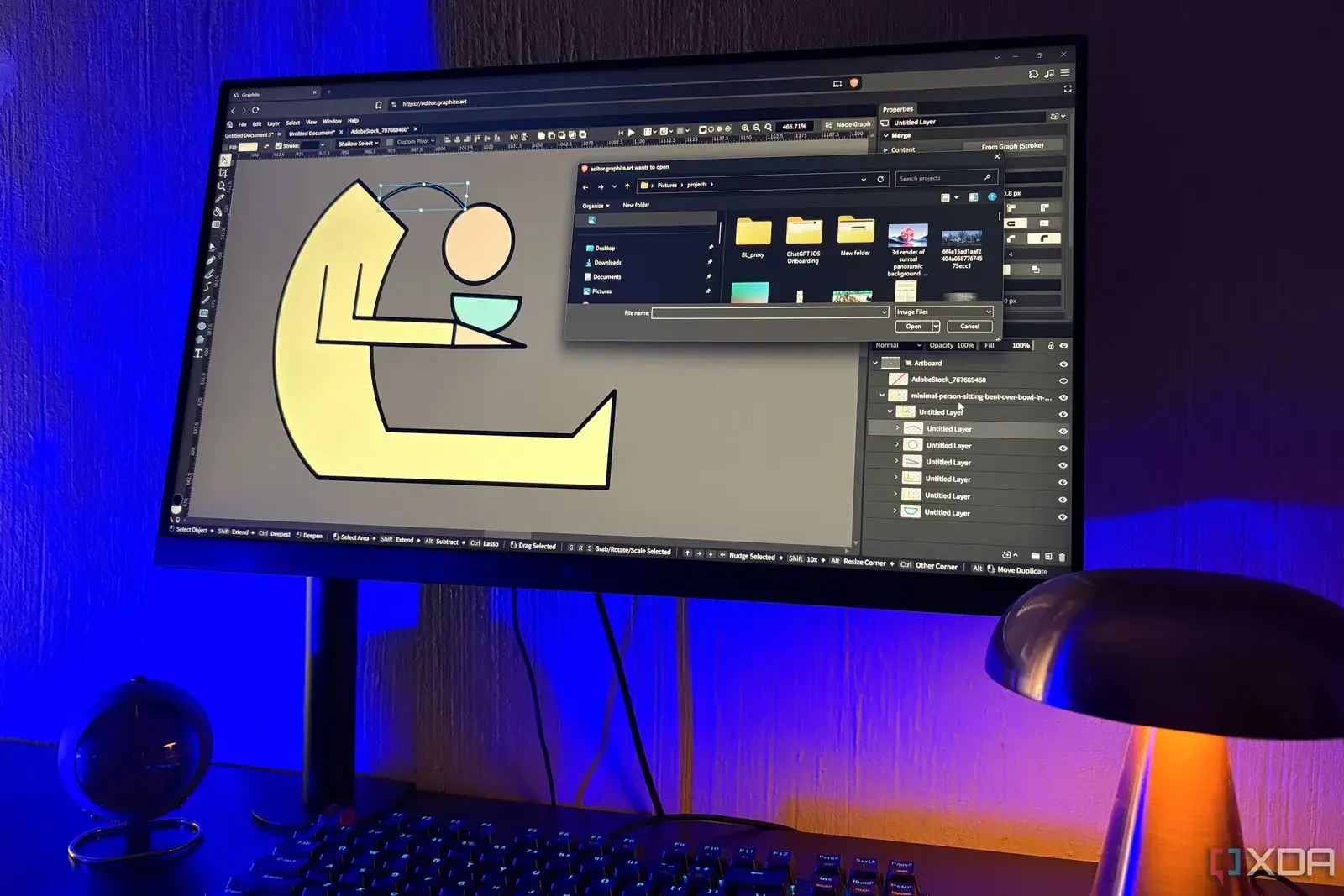
Users can edit high-resolution images and create scalable graphics within the
Professional designers are increasingly abandoning the traditional workflow of switching between Adobe Photoshop and Illustrator. This shift aims to streamline creative processes by consolidating two distinct tasks into one unified environment. The move reduces friction for users who frequently toggle between pixel-based and vector-based editing. By eliminating the need for multiple applications, creators can maintain focus and improve overall efficiency in their daily work. The primary motivation for this change is the desire for a seamless creative experience. Managing two different programs often leads to context switching and workflow interruptions. An integrated solution allows for smoother transitions between editing photos and designing logos or illustrations. This consolidation is particularly appealing to independent artists and small studios that value speed and simplicity over enterprise-level feature sets. One Tool for Two Distinct Creative Needs The open-source alternative handles both raster and vector tasks without requiring constant app switching.
Breaking news
 Canonical’s Web Presence Hit by Second DDoS Assault This Year
 Loops AI Secures $3.5 Million to Power a New AI Operating System for E‑Commerce
 Winverse AI Secures Tens of Millions in Seed Funding from DeepSeek and Long‑Z
 Google Adds Pixel 9 Series to Certified Refurbished Store
Users can edit high-resolution images and create scalable graphics within the same interface. This dual capability addresses a common pain point in digital art production. Previously, designers had to export files from one program to import them into another. This process often resulted in quality loss or formatting errors. The new approach keeps all assets within a single project file. This ensures consistency and reduces the technical overhead associated with file management. Why Switching to Open Source Matters Adopting an open-source tool also eliminates recurring subscription costs. This financial benefit is significant for freelancers and hobbyists who work on tight budgets. The software is freely available, removing barriers to entry for emerging artists. Furthermore, the open-source community often drives rapid innovation and bug fixes. Users can contribute to the development of the tool, shaping its future features. This collaborative model fosters a sense of ownership among the user base.
It contrasts sharply with the closed, proprietary nature of major commercial software suites. Frequently Asked Questions Does this app fully replace Photoshop? It handles core raster editing tasks effectively. However, it may lack some advanced proprietary filters. Users should test specific workflows before committing. Is the software free to use? Yes, it is open-source and free. There are no licensing fees or subscriptions. This makes it accessible to everyone.