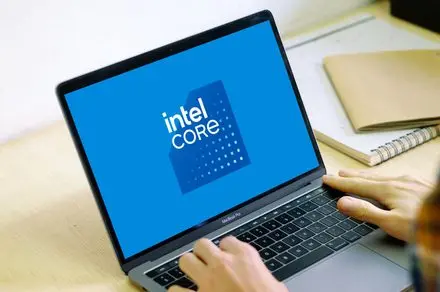
Streamlining the Apple Silicon Transition
Apple is officially signaling the end of the Intel era for Mac software. The company recently notified developers that they may now remove support for Intel processors in their Mac App Store applications. This change applies specifically to universal macOS apps that require macOS 13 Ventura or newer versions to function.
Breaking news
 China’s Tech Titans Spend $35 B on Nvidia RTX Pro 5500 GPUs
 Qualcomm to Execute Global Layoffs Following Annual Performance Reviews
 Salesforce to Buy Braze for $5.7 Billion
 Microsoft expands sovereign cloud with EU access controls and offline AI
This policy shift allows software creators to streamline their development processes. By dropping Intel compatibility, developers can distribute smaller application packages to users. This transition marks a significant milestone in Apple’s multi-year strategy to migrate its entire computer lineup to its proprietary silicon architecture, which began back in 2020.
The move effectively encourages a faster migration toward Apple’s custom M-series chips. Developers are no longer obligated to maintain legacy codebases for older hardware. This reduction in technical debt allows teams to focus exclusively on optimizing performance for modern, high-efficiency processors. Consequently, users running newer hardware will benefit from leaner, more efficient software downloads.
Is the Intel Era Finally Over?
By removing the requirement for universal binaries, Apple is simplifying the submission process for the Mac App Store. Developers can now target modern hardware features without the bloat of legacy support. This change reflects the company's confidence in the widespread adoption of its own silicon across the current Mac ecosystem.
While developers now have the option to drop Intel support, they are not strictly required to do so immediately. However, the new policy provides a clear path for those looking to modernize their offerings. As macOS versions continue to evolve, the incentive to maintain compatibility with aging Intel hardware will likely diminish even further.
Frequently Asked Questions
This development serves as a clear indicator that Apple is prioritizing its own hardware ecosystem. Users still relying on Intel-based Macs may eventually find fewer app updates as developers prioritize newer, faster architectures. This transition ensures that the Mac software library remains optimized for the future of Apple's computing technology.
What does this update mean for current Intel Mac users? Intel Mac users will still be able to run existing apps, but they may eventually see fewer updates for newer software. Developers now have the freedom to choose whether to continue supporting older hardware.
Will applications become smaller for users? Yes, by removing the code necessary to support Intel chips, developers can reduce the overall file size of their software. This leads to faster downloads and less storage space used on your machine.