Community Support Versus Commercial Guarantees
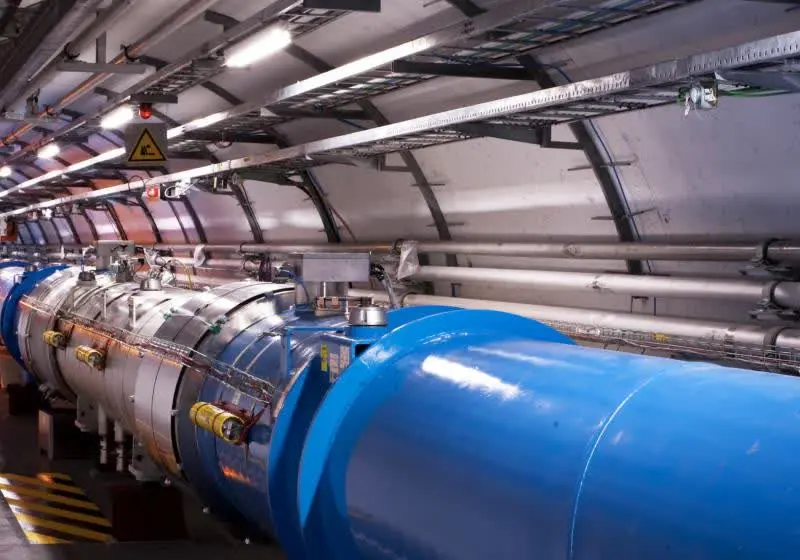
At a recent engineering conference in Winterthur, Switzerland, CERN announced a major infrastructure shift. The European research center is migrating more than 2,200 specialized computers away from Red Hat Enterprise Linux. These machines will now run on Debian, a community-driven distribution. This move marks a significant departure from the proprietary software stack that has long powered the facility’s core operations.
Breaking news
 Canonical’s Web Presence Hit by Second DDoS Assault This Year
 Loops AI Secures $3.5 Million to Power a New AI Operating System for E‑Commerce
 Winverse AI Secures Tens of Millions in Seed Funding from DeepSeek and Long‑Z
 Google Adds Pixel 9 Series to Certified Refurbished Store
The decision stems from strategic concerns regarding vendor lock-in and licensing costs. CERN engineers cited the need for greater control over their computing environment. By switching to Debian, they aim to reduce dependency on IBM’s commercial support structures. This allows the laboratory to customize system configurations without navigating complex enterprise license agreements. The transition reflects a broader trend among large scientific institutions seeking cost efficiency and technical autonomy.
Red Hat Enterprise Linux has been a staple in high-performance computing for decades. However, its commercial nature requires ongoing subscription fees and adherence to specific release cycles. Debian offers a stable alternative maintained by a global volunteer community. It provides long-term stability without mandatory paid support contracts. For CERN, this model aligns better with its mission of open science and collaborative research. Engineers noted that the Debian ecosystem allows for faster patch deployment and deeper kernel customization. This flexibility is crucial for handling the massive data streams generated by particle collision experiments.
Why Is CERN Abandoning A Major Corporate Partner?
The migration process involves careful testing to ensure compatibility with existing hardware. Specialized servers must maintain precise timing and reliability standards. Any downtime could disrupt critical physics calculations. Therefore, the team is executing the switch in phased stages. They are validating each cluster before moving to the next group. This methodical approach minimizes risk while ensuring smooth data continuity across the network.
IBM’s Linux subsidiary continues to push aggressive updates and new features. While beneficial for general corporate IT, these changes can introduce instability in fixed scientific environments. CERN prioritizes predictability over novelty. The research center needs systems that remain unchanged for years to allow consistent experimental comparisons. Debian’s conservative update policy fits this requirement perfectly. It ensures that the underlying operating system does not alter behavior unexpectedly between major releases. This stability is non-negotiable for high-energy physics simulations.
Furthermore, the move reduces financial overhead. Eliminating thousands of commercial licenses frees up budget for hardware upgrades and new detector technologies. The savings can be redirected toward expanding storage capacity or improving cooling systems. This reallocation supports the long-term goals of the Large Hadron Collider program. It demonstrates how operational choices directly influence scientific capability and resource allocation.
Frequently Asked Questions
The successful completion of this migration will set a precedent for other research facilities. If CERN validates the reliability of Debian at this scale, other organizations may follow suit. This could reshape the landscape of scientific computing infrastructure globally. The shift highlights a growing preference for transparent, community-governed software in academia. As computational demands rise, the choice of operating system becomes a critical strategic asset. CERN’s bold step underscores the importance of maintaining technological independence in the pursuit of fundamental knowledge.
How many computers are involved in this migration? More than 2,200 specialized computers are being moved from Red Hat Enterprise Linux to Debian. This includes critical servers supporting data processing and simulation tasks.
Why did CERN choose Debian over other distributions? CERN selected Debian for its stability, community governance, and lack of commercial lock-in. These factors align with the laboratory’s need for predictable, long-term system performance.