Exploits and Rewards: The Growing Cybersecurity Landscape
A series of cybersecurity threats have surfaced this week, particularly involving Remote Code Execution (RCE) vulnerabilities. These issues affect various trusted applications and systems, raising alarms within the tech community. The incidents highlight the ongoing battle between security measures and malicious actors who exploit weaknesses in software.
Breaking news
 Canonical’s Web Presence Hit by Second DDoS Assault This Year
 Loops AI Secures $3.5 Million to Power a New AI Operating System for E‑Commerce
 Winverse AI Secures Tens of Millions in Seed Funding from DeepSeek and Long‑Z
 Google Adds Pixel 9 Series to Certified Refurbished Store
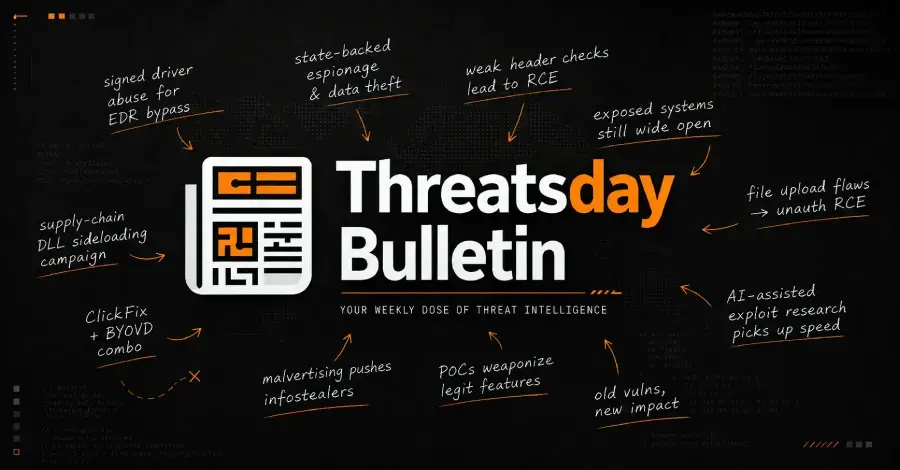
Recent findings reveal that signed drivers, typically used to enhance security, have been manipulated to bypass defenses. Additionally, legitimate applications are being co-opted to disguise malware, making detection more challenging. A specific vulnerability in header checks has also been identified, allowing attackers to execute arbitrary code. These developments underscore the importance of scrutinizing even trusted software.
In a notable twist, a $10 million reward has been offered for information leading to the identification of individuals behind significant cyber exploits. This initiative reflects the rising stakes in cybersecurity, as organizations aim to protect their systems from increasingly sophisticated threats. The reward is part of a broader strategy to encourage whistleblowers and informants to come forward with valuable intelligence.
Are We Prepared for the Next Wave of Cyber Threats?
Moreover, the GLM-5.3 AI exploit has emerged, showcasing how artificial intelligence can be weaponized. This vulnerability illustrates the potential for AI systems to be manipulated, raising concerns about their security and reliability. Experts warn that as technology advances, so too will the methods employed by cybercriminals, necessitating constant vigilance and innovation in defense strategies.
Despite advancements in cybersecurity, the continuous emergence of new vulnerabilities poses a significant challenge. Many organizations still rely on outdated systems that may not adequately address current threats. Security experts emphasize the need for regular updates and proactive measures to mitigate risks.
The consequences of these vulnerabilities can be severe, including data breaches, financial losses, and damage to reputation. As cyber attacks become more prevalent and sophisticated, the demand for robust security solutions will only increase. Organizations must prioritize cybersecurity to safeguard their assets and maintain trust with their customers.
Frequently Asked Questions
What is Remote Code Execution (RCE)? RCE is a type of vulnerability that allows an attacker to execute arbitrary code on a remote system. This can lead to unauthorized access and control over the affected system.
Why are legitimate apps being used for malware? Malware often uses legitimate applications to avoid detection by security software. This tactic allows malicious actors to blend in with normal traffic, making it harder to identify and stop their activities.
What can organizations do to enhance their cybersecurity? Organizations should conduct regular security audits, update their software frequently, and invest in advanced threat detection systems. Employee training on security best practices is also crucial to prevent human errors that could lead to breaches.