Bridging the Traceability Gap at Scale
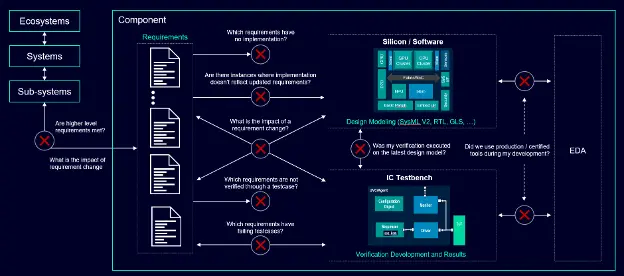
Modern engineering organizations face mounting pressure as safety-critical software integration grows across complex architectures. Traditional workflows often treat verification as a downstream final check rather than an integrated process. This legacy approach relies on isolated testing phases, separate regression suites, and disconnected metric dashboards applied late in development cycles.
Breaking news
 Canonical’s Web Presence Hit by Second DDoS Assault This Year
 Loops AI Secures $3.5 Million to Power a New AI Operating System for E‑Commerce
 Winverse AI Secures Tens of Millions in Seed Funding from DeepSeek and Long‑Z
 Google Adds Pixel 9 Series to Certified Refurbished Store
As products increasingly depend on software-defined features, verification tasks expand beyond their original scope. Teams struggle with fragmented data spread across multiple independent tools and reporting systems. This disconnection makes it difficult to maintain clear traceability from initial design requirements down to final signoff reviews.
Can Fragmented Testing Survive Modern Complexity?
Achieving reliable traceability across large development environments demands a continuous thread rather than isolated checkpoints. When verification remains partitioned, engineers spend excessive time reconciling conflicting coverage reports and status dashboards. A unified thread connects every requirement to its corresponding test and validation result automatically.
Industry experts emphasize that treating verification as an afterthought creates severe bottlenecks during critical integration phases. Organizations need visibility into how design changes impact safety cases and regression results immediately. Without this cohesive view, teams risk missing critical defects hidden between functional boundaries.
Frequently Asked Questions
The sheer volume of software-defined interactions makes manual oversight and fragmented testing completely unsustainable for modern engineering teams. Moving toward a connected verification lifecycle eliminates redundant tasks and clarifies the path to formal signoff.
Organizations that successfully adopt continuous traceability will accelerate time-to-market while improving overall system safety. Those clinging to fragmented verification methods will likely face escalating delays and integration failures as complexity continues to rise.