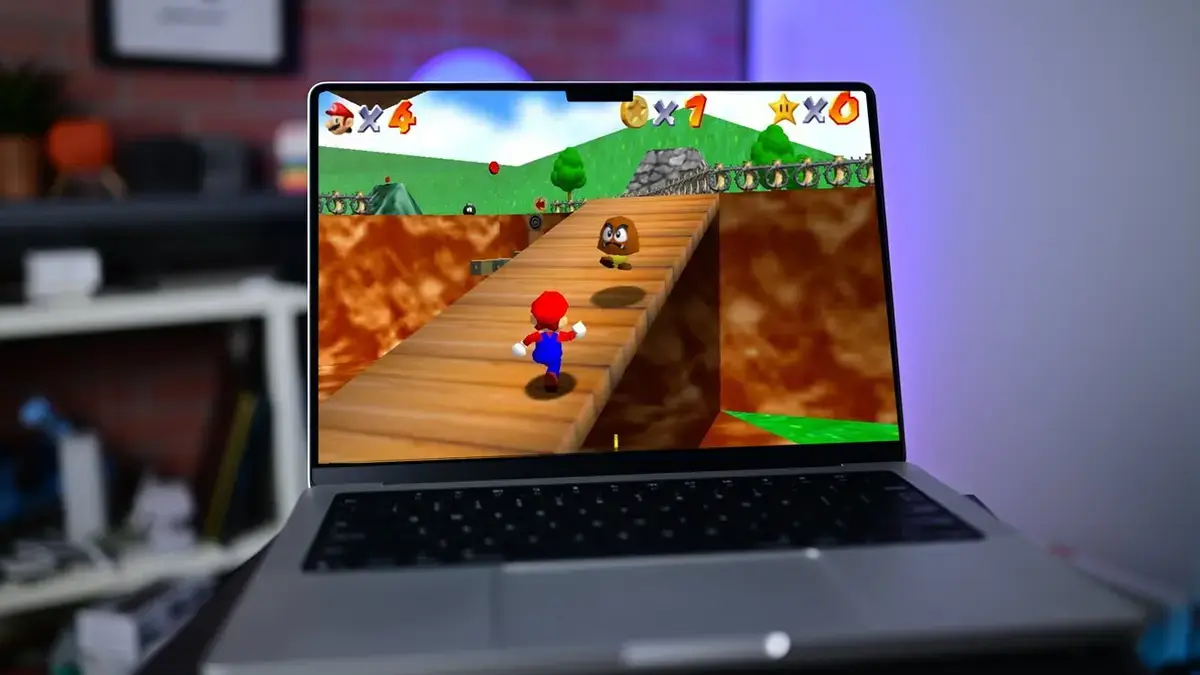
The Technical Shift Toward Native Code
A growing community of developers is transforming classic console titles into native macOS applications. By utilizing complex decompilation and recompilation techniques, enthusiasts are moving beyond traditional emulation. These projects allow vintage games to run directly on Apple hardware, offering improved performance and stability for players looking to revisit nostalgic gaming libraries.
Breaking news
 Canonical’s Web Presence Hit by Second DDoS Assault This Year
 Loops AI Secures $3.5 Million to Power a New AI Operating System for E‑Commerce
 Winverse AI Secures Tens of Millions in Seed Funding from DeepSeek and Long‑Z
 Google Adds Pixel 9 Series to Certified Refurbished Store
Traditional emulators function by mimicking old hardware, which often requires significant system resources. In contrast, these new fan-made projects convert the original game code into instructions that modern processors understand natively. This approach eliminates the lag often associated with emulated software, providing a smoother experience that feels authentic to the original console releases.
Decompilation involves painstakingly converting binary game data back into readable source code. Once the code is accessible, developers rewrite it to function seamlessly within the macOS environment. This process ensures that games can leverage modern features like high-resolution displays and controller support without needing an intermediary software layer to translate commands.
Can Native Ports Replace Traditional Emulators?
The result is a library of classic titles that behave like standard desktop applications. Users can launch these games directly from their dock, enjoying faster load times and fewer compatibility issues. This method represents a significant leap forward for preservationists who want to keep aging software functional on current computing architectures.
While emulation remains a popular choice for quick access, native ports offer a superior technical foundation for long-term play. By removing the overhead of an emulator, these projects allow games to run with perfect timing and accuracy. This shift is likely to encourage more developers to port beloved titles, potentially creating a new standard for retro gaming on computers.
Frequently Asked Questions
As these tools become more accessible, the barrier to entry for casual players continues to drop. Enthusiasts can now enjoy refined versions of their favorite childhood games without needing deep technical knowledge. This trend ensures that classic software remains relevant and playable as hardware technology continues to evolve.
What makes these ports different from standard emulators? Standard emulators simulate the original console hardware, which can be resource-heavy and prone to glitches. Native ports rewrite the game code to run directly on the Mac processor, resulting in better performance and stability.
Do I need special software to run these games? Most of these projects are distributed as standalone applications that function like any other Mac program. Once installed, they typically do not require additional configuration or complex setup files to operate.