Why Paper Mario Was a Natural Next Step
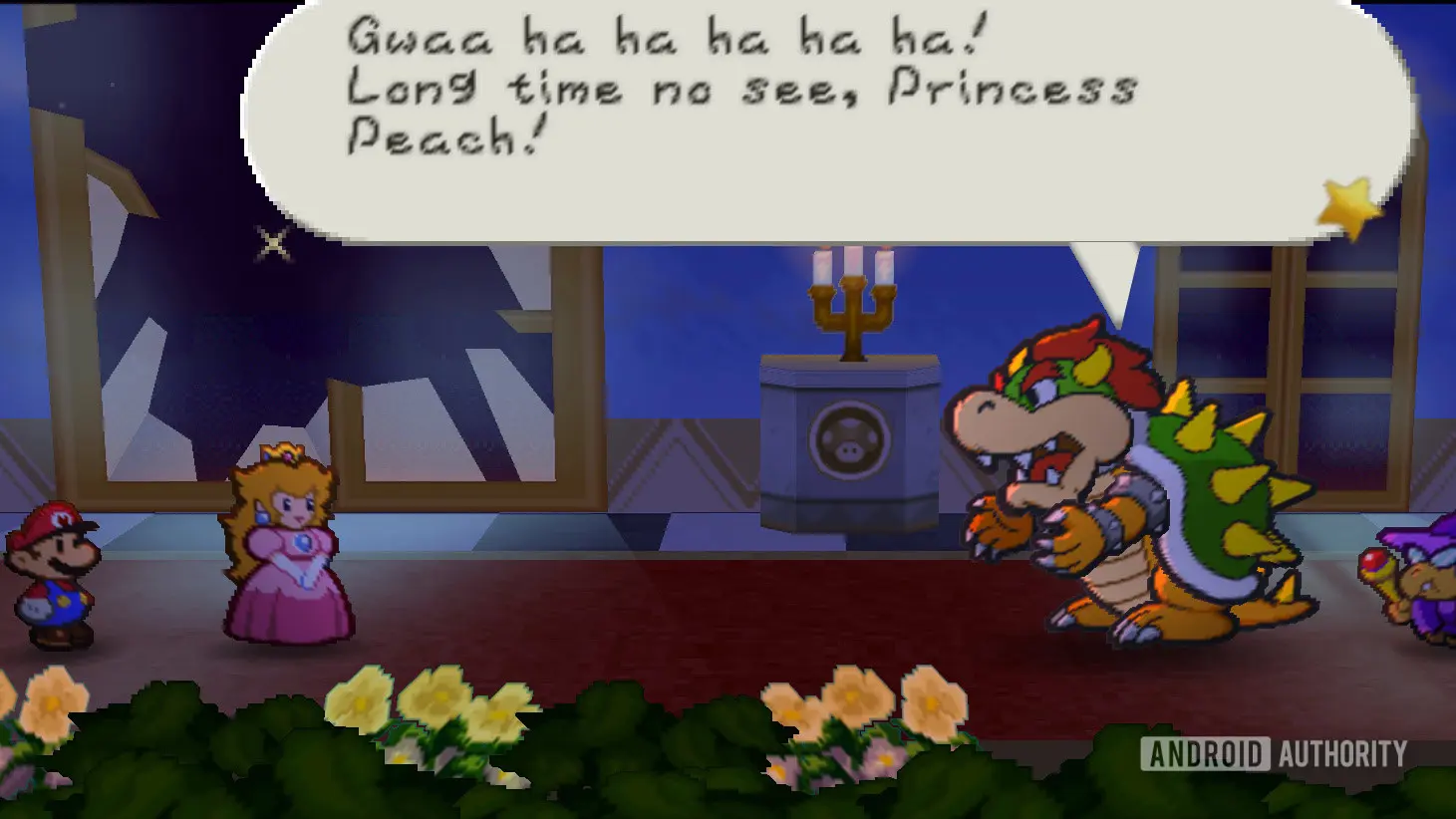
A group of developers known for unofficially porting classic Nintendo 64 titles has released a fan-made version of Paper Mario for Windows, Linux, and macOS. The new build, dubbed PaperBoat, brings the beloved RPG to computers for the first time, following their earlier ports of Ocarina of Time, Majora’s Mask, and Super Mario 64.
Breaking news
 Canonical’s Web Presence Hit by Second DDoS Assault This Year
 Loops AI Secures $3.5 Million to Power a New AI Operating System for E‑Commerce
 Winverse AI Secures Tens of Millions in Seed Funding from DeepSeek and Long‑Z
 Google Adds Pixel 9 Series to Certified Refurbished Store
How the Port Was Built and What It Adds
The team, which has built a reputation for turning 3D Nintendo 64 games into playable PC experiences, announced the release on their community forum last week. They used the same reverse‑engineering techniques that allowed them to bring 3D graphics and gameplay to modern systems, adapting the original game’s assets and code to run on contemporary hardware. Fans of the series can now experience the quirky humor and turn‑based combat of Paper Mario without needing a handheld console.
Can This Port Be Considered Official?
PaperMario had never been officially ported to PC, largely because the game was originally designed for the Nintendo GameCube and Wii. The fan team’s previous successes with N64 titles demonstrated their ability to preserve gameplay fidelity while updating graphics and controls for modern operating systems. By tackling Paper Mario, they addressed a long‑standing demand among PC gamers who want to revisit classic Nintendo titles on their desktops. The port also showcases how community-driven projects can keep older games alive and accessible.
The developers began by extracting the original game’s data files, then re‑implementing the engine in a modern programming language. They rewrote input handling to support keyboards, mice, and gamepads, and updated the rendering pipeline to support higher resolutions and widescreen displays. While the core mechanics remain unchanged, the port includes optional quality‑of‑life improvements such as adjustable frame rates, customizable controls, and a built‑in save system that works across all supported platforms. The team also added a quick‑start tutorial to help new players navigate the game’s unique combat system.
What Does This Mean for the Future of Classic Game Ports?
The project remains unofficial, as it does not have Nintendo’s endorsement or licensing. However, the developers have taken care to avoid infringing on copyrighted assets by using only publicly available data from the original game. They have also included a disclaimer that the port is a fan effort and not an official release. This approach mirrors other community projects that have successfully preserved classic titles for new audiences.
Frequently Asked Questions
The release of PaperBoat signals that the community of hobbyist developers is still eager to bring beloved Nintendo games to PC. With the growing popularity of retro gaming on modern platforms, we can expect more fan‑made ports to surface, especially for titles that Nintendo has not yet released digitally. These projects not only satisfy nostalgia but also demonstrate the technical skill and dedication of independent developers.