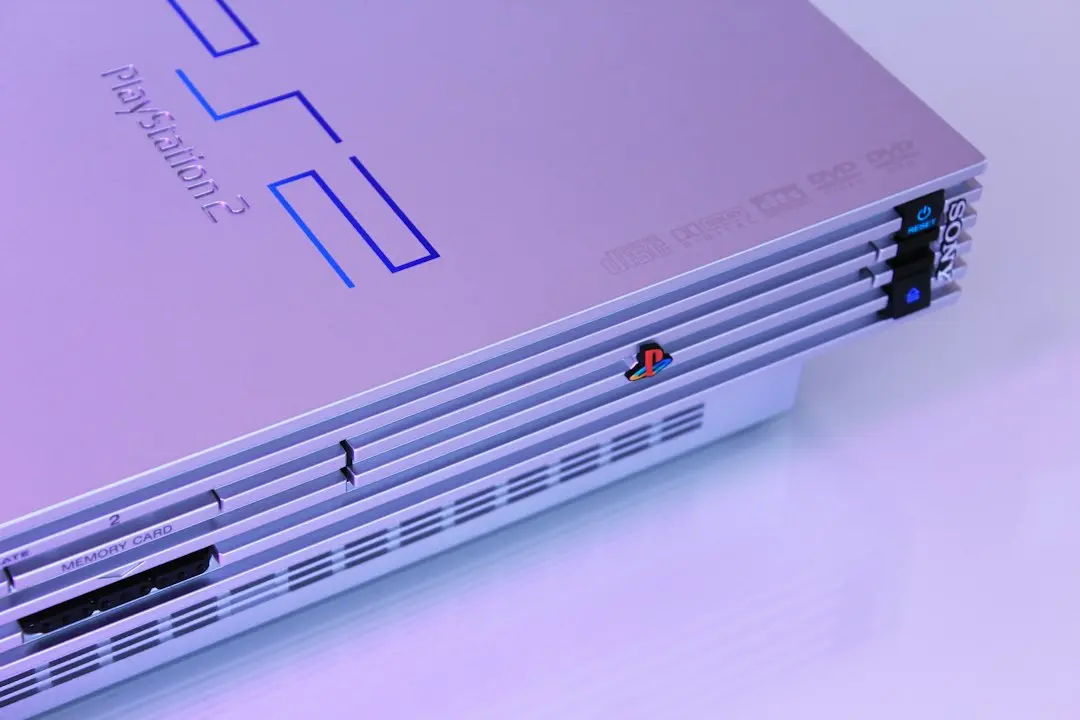
How Static Recompilation Beats Traditional Emulation
A developer has unveiled a method to play classic PlayStation 2 titles in web browsers without traditional emulation. By translating the console’s Emotion Engine machine code into C++ ahead of time, then compiling it to WebAssembly, the games run natively in the browser, using a recreated PS2 operating system and hardware interface that renders graphics through WebGPU. The project, hosted on a public code repository, demonstrates a full recording of the process lasting just over a minute.
Breaking news
 Canonical’s Web Presence Hit by Second DDoS Assault This Year
 Loops AI Secures $3.5 Million to Power a New AI Operating System for E‑Commerce
 Winverse AI Secures Tens of Millions in Seed Funding from DeepSeek and Long‑Z
 Google Adds Pixel 9 Series to Certified Refurbished Store
The approach differs from conventional emulators that interpret console instructions at runtime. Instead, the code is statically recompiled, meaning the original binary is converted once into a high‑level language, optimized, and then compiled into the portable WebAssembly format. This compiled module links against a custom implementation of the PS2’s OS and hardware layers, allowing the browser’s GPU to handle rendering. The technique builds on earlier work that brought PSP titles to the web, extending the concept to the more complex PS2 architecture. By avoiding real‑time instruction translation, the method promises lower latency and better performance, though it requires a separate recompilation step for each game.
Static recompilation sidesteps the overhead of interpreting each CPU instruction on the fly. The original Emotion Engine code is first disassembled, then mapped to equivalent C++ constructs. After this translation, the C++ source is compiled with standard toolchains into WebAssembly, a binary format designed for fast execution in browsers. The resulting module runs directly on the JavaScript engine’s WebAssembly runtime, leveraging just‑in‑time compilation and hardware acceleration. Because the heavy lifting occurs during the build phase, the runtime environment only needs to execute already‑optimized code, reducing CPU usage and improving frame rates.
Can This Technique Bring the Entire PS2 Library to the Web?
Developers report that the WebGPU backend provides a modern graphics pipeline comparable to the original console’s capabilities. By reimplementing the PS2’s graphics and audio subsystems in WebAssembly, the system can faithfully reproduce the look and sound of classic titles while running entirely client‑side. The project’s demo showcases several games rendering smoothly, with input latency comparable to native play.
While the proof‑of‑concept proves the concept viable, scaling it to the full PlayStation 2 catalog presents challenges. Each game must be individually disassembled and manually verified to ensure the translation preserves gameplay logic and timing. Legal considerations also arise, as distributing compiled binaries may infringe on intellectual property rights. Nonetheless, the open‑source nature of the tooling invites hobbyists and preservationists to experiment with their own titles, potentially creating a community‑driven archive of web‑playable classics.
The success of static recompilation could reshape how legacy games are preserved and accessed. By eliminating the need for heavyweight emulators, developers can deliver instant, plug‑and‑play experiences directly from a webpage. As WebGPU matures and browser support expands, the barrier between old console libraries and modern platforms may continue to dissolve, offering gamers a seamless bridge to the past.
Frequently Asked Questions
What is the main advantage of static recompilation over emulation? Static recompilation converts console binaries into optimized WebAssembly ahead of time, reducing runtime overhead and improving performance compared to interpreting each instruction live.
Does this method require any special hardware or plugins? No additional software is needed; the games run in any modern browser that supports WebAssembly and WebGPU, using the device’s existing GPU for rendering.
Is this approach legal for commercial games? Distributing compiled versions of copyrighted games without permission would violate intellectual property laws. The technique is intended for personal preservation and experimentation with legally owned copies.