Patel noted that his colleagues were already embedded in this platform
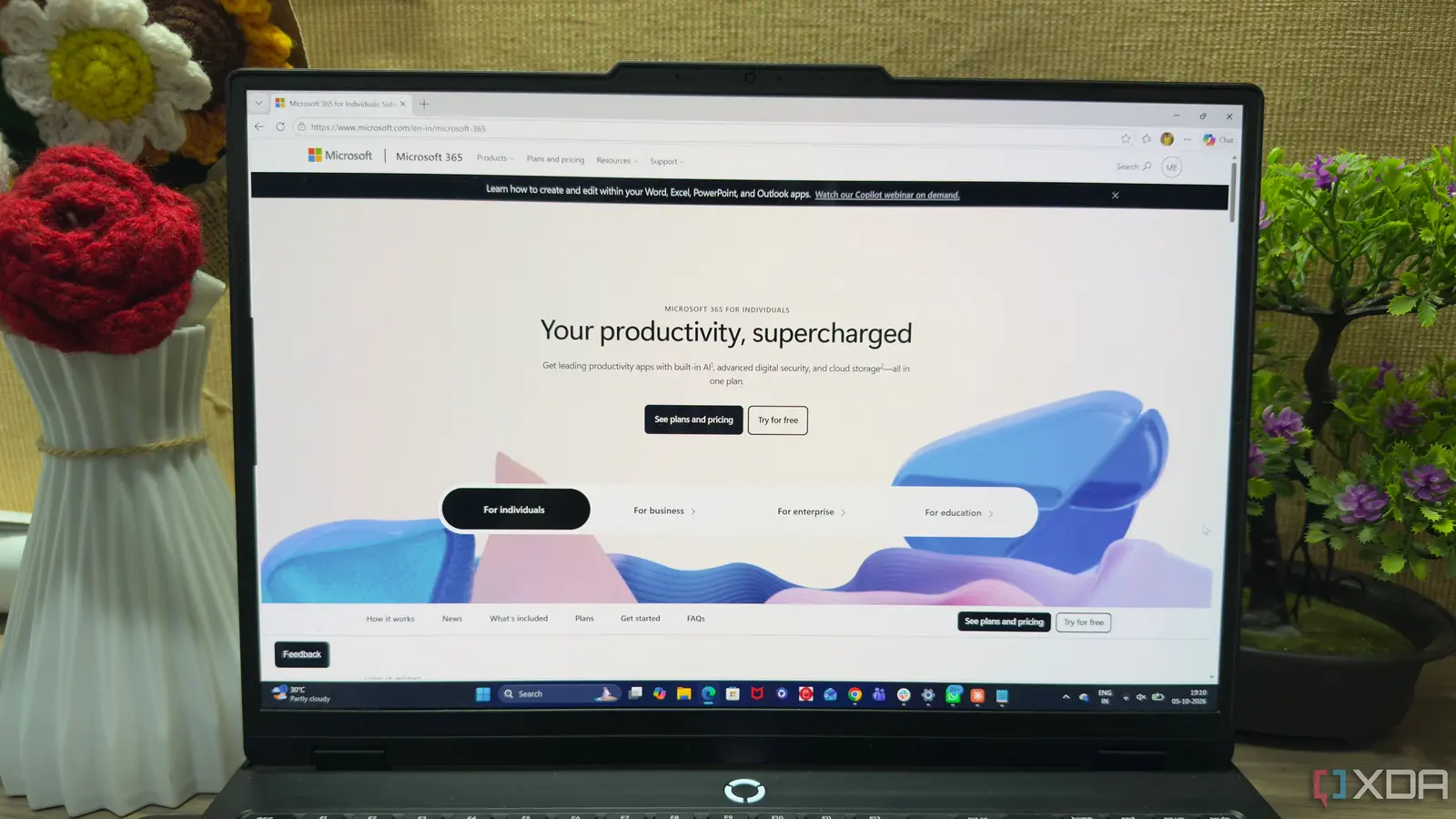
A software developer and blogger, Yash Patel, began his career in 2018, spending three years as a software engineer before turning to tech writing. In 2026 he announced that he had abandoned Microsoft 365 entirely, opting for a suite of free, open‑source applications. The switch, he says, was largely smooth, but one tool proved surprisingly hard to replace. Patel, who runs the popular tech blog DiGiTAL BiRYANi, detailed his experience in a recent interview. He explained that most of his productivity tools—word processing, spreadsheets, and cloud storage—could be swapped for LibreOffice, GIMP, and Nextcloud without noticeable loss. However, the application that kept him tethered to the Microsoft ecosystem was Microsoft Teams. Why Teams Became the Anchor of the Transition Teams offered a single interface for chat, video calls, file sharing, and project management.
Breaking news
 Canonical’s Web Presence Hit by Second DDoS Assault This Year
 Loops AI Secures $3.5 Million to Power a New AI Operating System for E‑Commerce
 Winverse AI Secures Tens of Millions in Seed Funding from DeepSeek and Long‑Z
 Google Adds Pixel 9 Series to Certified Refurbished Store
Patel noted that his colleagues were already embedded in this platform, and the seamless integration with other Microsoft services made it difficult to find an equivalent. „I tried Slack and Mattermost, but the lack of native file preview and the integration with our project trackers made the switch feel like stepping into a void,” he said. The learning curve and the need for frequent re‑training sessions for his team added to the friction. Is There a Viable Open‑Source Alternative? One might ask whether an open‑source solution could match Teams’ breadth. Patel highlighted that while tools like Rocket. Chat and Jitsi provide chat and video, they lack the tight integration with document editing and workflow automation that Teams offers. „You end up using several separate apps—Rocket. Chat for messaging, Nextcloud for file sharing, and a separate task manager—each with its own login and interface,” he explained.
The fragmentation leads to a loss of productivity and a higher cognitive load
The fragmentation leads to a loss of productivity and a higher cognitive load for users. The cost of this fragmentation is not just time; it also affects collaboration quality. Patel observed that his team’s project timelines slipped by an average of 12% during the transition period, as users spent more time locating files and coordinating across platforms. What the Future Holds for Open‑Source Collaboration Tools Patel remains optimistic about the long‑term benefits of open‑source software. He believes that as more developers contribute to projects like Rocket. Chat and Nextcloud, the feature gaps will narrow. He also suggests that organizations adopt a phased migration strategy: start with low‑risk tools and gradually replace core collaboration platforms, allowing teams to acclimate without disrupting workflows.
In the meantime, Patel recommends maintaining a hybrid environment. „Keep Teams for the critical communication channels that your partners and clients rely on, while moving other functions to open‑source alternatives,” he advises. This approach balances the need for continuity with the desire to reduce licensing costs and increase control over data. Frequently Asked Questions Q: How long did it take Patel to fully transition away from Microsoft 365? A: The migration took about six months, with the bulk of the effort concentrated in the first three months when the team adjusted to new tools. Q: What was the biggest obstacle in replacing Microsoft Teams? A: The lack of a single, fully integrated platform for chat, video, and file sharing in the open‑source ecosystem made the transition cumbersome. Q: Does Patel recommend a complete switch to open‑source for all businesses?
A: He suggests a gradual, selective approach, prioritizing cost savings while maintaining essential collaboration capabilities.