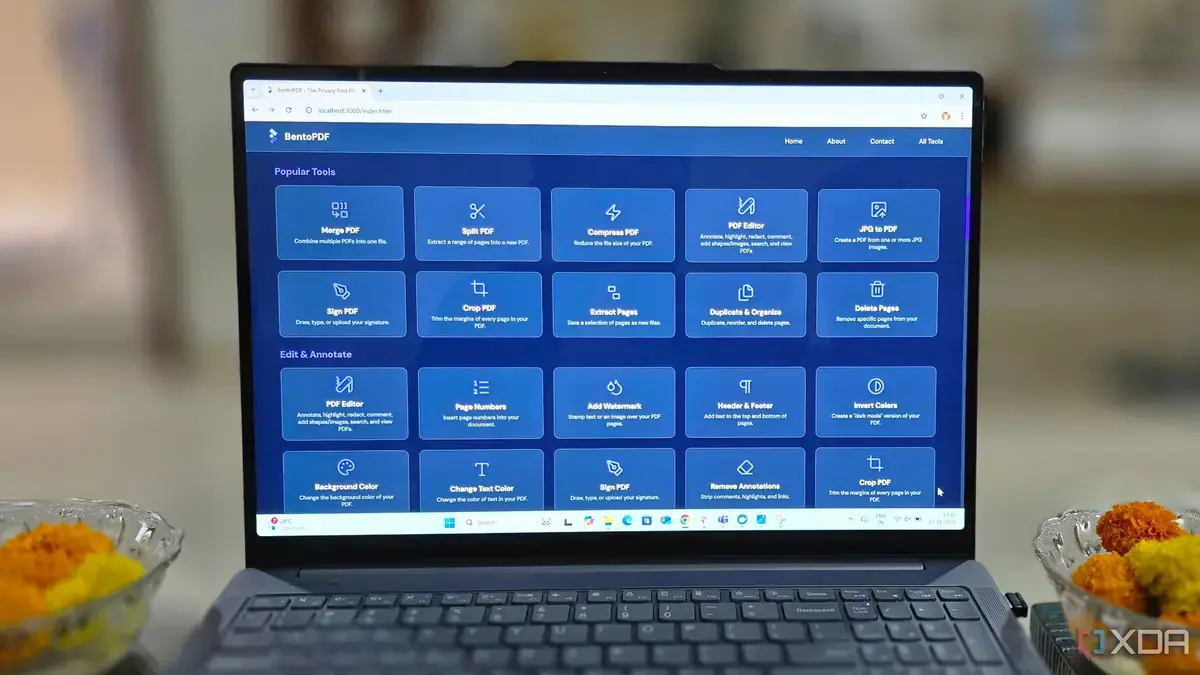
A Shift in PDF Management: Why Self-Hosting Matters
In a quest for better performance, a user has moved from Adobe Acrobat to a self-hosted PDF editor. This change was made on August 17, 2026, highlighting the advantages of using less resource-intensive software. The new PDF editor operates on low-powered servers and offers features like optical character recognition (OCR), document redaction, and conversion from Office formats. This shift not only enhances speed but also reduces memory usage compared to traditional browser-based editors.
Breaking news
 Canonical’s Web Presence Hit by Second DDoS Assault This Year
 Loops AI Secures $3.5 Million to Power a New AI Operating System for E‑Commerce
 Winverse AI Secures Tens of Millions in Seed Funding from DeepSeek and Long‑Z
 Google Adds Pixel 9 Series to Certified Refurbished Store
The decision to switch was driven by the need for a more efficient solution. Many users find that mainstream options like Adobe Acrobat can be heavy on system resources. The self-hosted alternative allows for more control and customization, which is appealing for those managing large volumes of documents. It provides essential functionalities without the bloat often associated with larger software packages.
Moreover, the self-hosted PDF editor ensures that sensitive information remains secure. Users have greater control over their data, as it is not processed through third-party servers. This is particularly important for businesses handling confidential documents.
Can Self-Hosted Solutions Compete with Established Software?
While self-hosted solutions offer many advantages, some may wonder if they can truly compete with established software like Adobe Acrobat. The answer lies in the specific needs of the user. For those who require advanced features and seamless integration with other tools, traditional software may still hold an edge. However, for users focused on basic editing and security, the self-hosted option can be more than sufficient.
As more users explore self-hosted options, the landscape of PDF editing is likely to evolve. This shift could encourage developers to create more efficient tools that cater to a growing demand for lightweight software.
The transition to self-hosted PDF editors signals a significant change in how users approach document management. With the ability to run on low-powered servers, these tools not only save memory but also offer a level of customization and control that many find appealing.
Frequently Asked Questions
What are the advantages of using a self-hosted PDF editor? Self-hosted PDF editors offer reduced memory usage, enhanced security, and greater control over document management. They often include essential features like OCR and redaction.
Is it difficult to set up a self-hosted PDF editor? The setup can vary based on the software chosen. However, many self-hosted solutions come with detailed instructions to assist users in getting started efficiently.
Can self-hosted PDF editors handle large documents? Yes, many self-hosted PDF editors are designed to manage large files, making them suitable for users who regularly work with extensive documents.