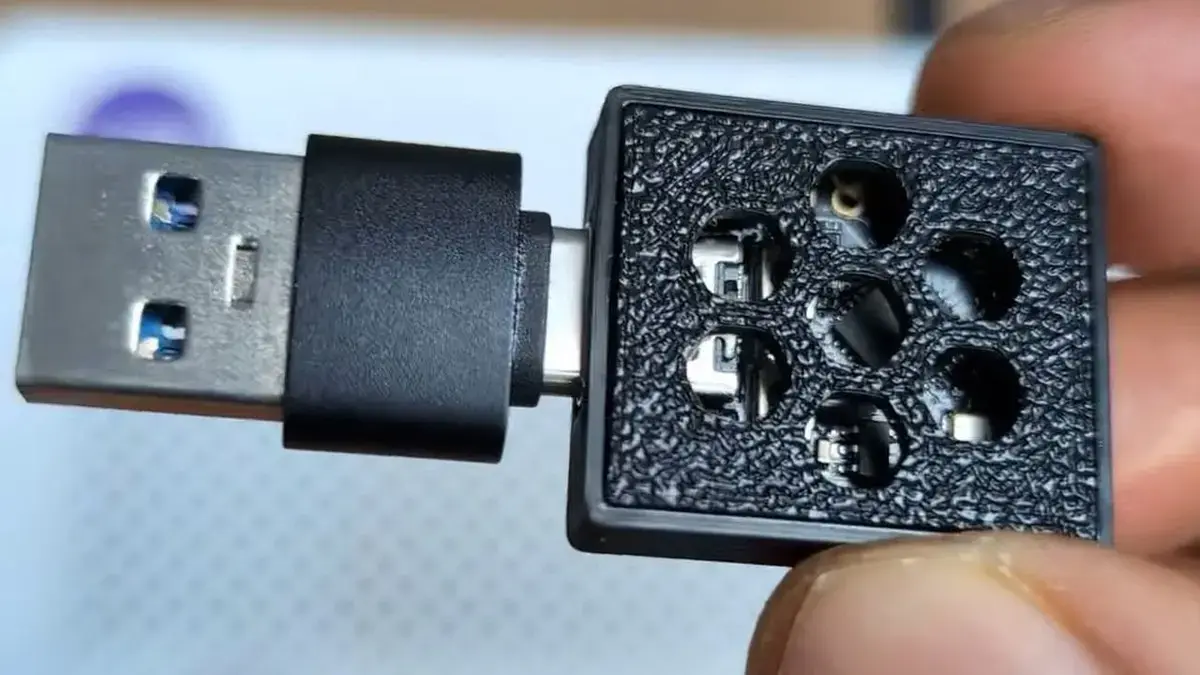
Hashing Trick Enables Massive Blocklist
The core innovation lies in a clever hashing technique. This method allows the device to store a vast list of blocked domains within a mere 4MB of flash memory. This is a significant accomplishment given the typically limited resources of such small, low-cost hardware.
Breaking news
 tsrs: A Rust Port of the TypeScript Compiler
 ByteDance, Alibaba and Tencent Place Massive Order for Nvidia GPUs
 Salesforce to Acquire Braze in $5.7 Billion Deal
 Eka Robotics Secures $150M at $1.45B Valuation
The developer's solution bypasses the need for powerful, expensive hardware. Instead of a costly Raspberry Pi, which can run hundreds of dollars, the project utilizes a microcontroller that costs around $5. This makes hardware-based ad-blocking accessible and affordable for many users. The firmware is highly optimized, ensuring efficient operation.
The project highlights a growing trend in DIY tech solutions. Users are finding innovative ways to achieve complex tasks with simple components. This approach challenges the idea that powerful computing resources are always necessary for advanced functions like network-wide ad blocking.
How Does This Low-Cost Ad Blocker Work?
The device functions as a DNS filter. When a device on the network tries to access a website, the ad blocker intercepts the request. It then checks if the domain is on its extensive blocklist. If it is, the request is denied, preventing ads from loading. This process happens seamlessly and quickly, without noticeable delays for the user.
This project offers a compelling alternative to software-based ad blockers. It provides network-wide protection, meaning every device connected to the network benefits. This includes smart TVs, gaming consoles, and other devices where traditional ad-blocking software cannot be installed.
Frequently Asked Questions
What is an ESP32 microcontroller? An ESP32 is a low-cost, low-power microchip with integrated Wi-Fi and Bluetooth capabilities. It is popular for various DIY electronics projects and embedded systems due to its versatility and affordability.
How does a DNS filter block ads? A DNS filter works by preventing your devices from connecting to known ad servers. When a device requests to load content from an ad server, the DNS filter intercepts this request and blocks it, stopping the ads from ever reaching your screen.
Can this device block ads on all my home devices? Yes, because it operates at the network level, any device connected to the network that uses the ad blocker's DNS will have its ads filtered. This includes computers, phones, smart TVs, and other internet-connected gadgets.