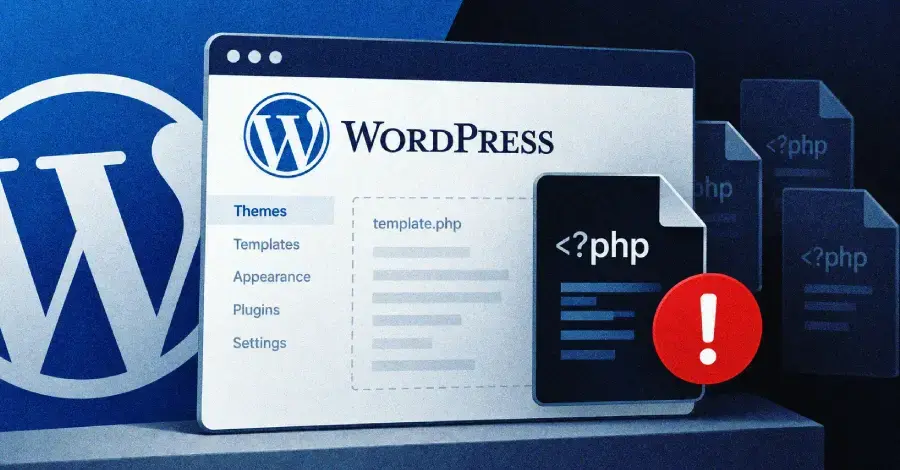
How the File Loading Mechanism Was Exploited
WordPress released version 7.1.2 on September 22, 2026, to address a severe security vulnerability in its core software. This update fixes a flaw that allowed attackers without any user account to manipulate site configurations. Specifically, the bug enabled unauthorized visitors to force a website to load a PHP file from outside its designated theme folders. On certain server configurations, this specific action could escalate into remote code execution, granting attackers significant control over the host system.
Breaking news
 Algorithmic Liquidity: How Digital Trust Protocols Reshape Personal Finance
 How Predictive Diagnostics Are Reshaping the Automotive Insurance Ecosystem
 Preparing for the EU AI Act’s Strict Transparency Mandates
 Widespread Firebase SDK Failure Triggers Massive iOS App Crashes
The vulnerability is particularly dangerous because it requires no prior authentication. An attacker does not need to guess passwords or exploit weak credentials. Instead, they can directly target the file loading mechanism within the WordPress core. This makes the threat highly accessible to automated bots and script kiddies who scan the internet for exposed web applications. The release of the patch marks a critical step in closing this immediate gap in the platform’s defense layers.
The core issue lies in how WordPress handles external file requests during theme rendering. Normally, the system restricts file access to trusted directories to maintain integrity. However, the flaw bypassed these restrictions, allowing a malicious actor to inject a path pointing to an external PHP file. When the server processed this request, it executed the code contained in that file. If the server environment permitted such operations, the attacker could run arbitrary commands. This included creating new admin accounts, modifying database entries, or installing persistent backdoors. The attack vector was silent, meaning site owners might not notice the compromise until significant damage had already occurred.
Why Immediate Updates Are Essential for Site Owners
Server administrators should note that not all environments were equally vulnerable. The severity depended heavily on the underlying web server configuration and PHP settings. Sites running on hardened servers with strict file permissions faced lower risks. Conversely, shared hosting environments or misconfigured dedicated servers were prime targets. The fix in version 7.1.2 tightens the validation logic, ensuring that only files from approved locations are loaded. This change adds an extra layer of scrutiny before any external resource is processed by the engine.
Security experts recommend updating to WordPress 7.1.2 immediately. Delaying the patch leaves sites exposed to active scanning tools that have likely already identified the weakness. While the vulnerability did not affect every installation, the potential for remote code execution makes it a top priority. Administrators should also review their server logs for unusual file access patterns around the time of discovery. Checking for unexpected PHP files in non-standard directories can help identify if a breach already happened.
Frequently Asked Questions
Does this flaw affect all WordPress versions? The critical flaw was present in versions prior to 7.1.2. Users running older releases must update to the latest version to ensure the file loading restrictions are properly enforced.
Can an attacker see if a site is compromised? Often, the exploitation is silent. Attackers may create hidden administrator accounts or modify database records without changing the visible appearance of the website. Regular log reviews are necessary to detect these subtle changes.
Is the fix available for all hosting providers? Yes, the core update is standard. Most managed hosting services apply core updates automatically, but self-hosted users must manually download and install version 7.1.2 to secure their installations.