
The startup argues that Europe lags behind Asia and North America in adopting
Motion, a Brussels-based startup claiming to be Europe’s first Humanoids-as-a-Service platform, has secured €1.7 million in funding to accelerate robot adoption across European industries. The investment round, led by early-stage tech investors, aims to address what the company calls a persistent gap in practical humanoid robot deployment. Motion plans to use the capital to expand its service model, which offers humanoid robots on a subscription basis rather than requiring outright purchase. The company says this approach lowers barriers for businesses hesitant about high upfront costs and technical complexity. Founded in 2023, Motion has already piloted its service with logistics and healthcare partners in Belgium and the Netherlands. The funding will support team growth, platform development, and pilot programs in Germany and France. Motion’s model integrates hardware, software, maintenance, and training into a single monthly fee.
Breaking news
 Echo Software Acquires Minimus Assets to Strengthen AI‑Driven Container Security
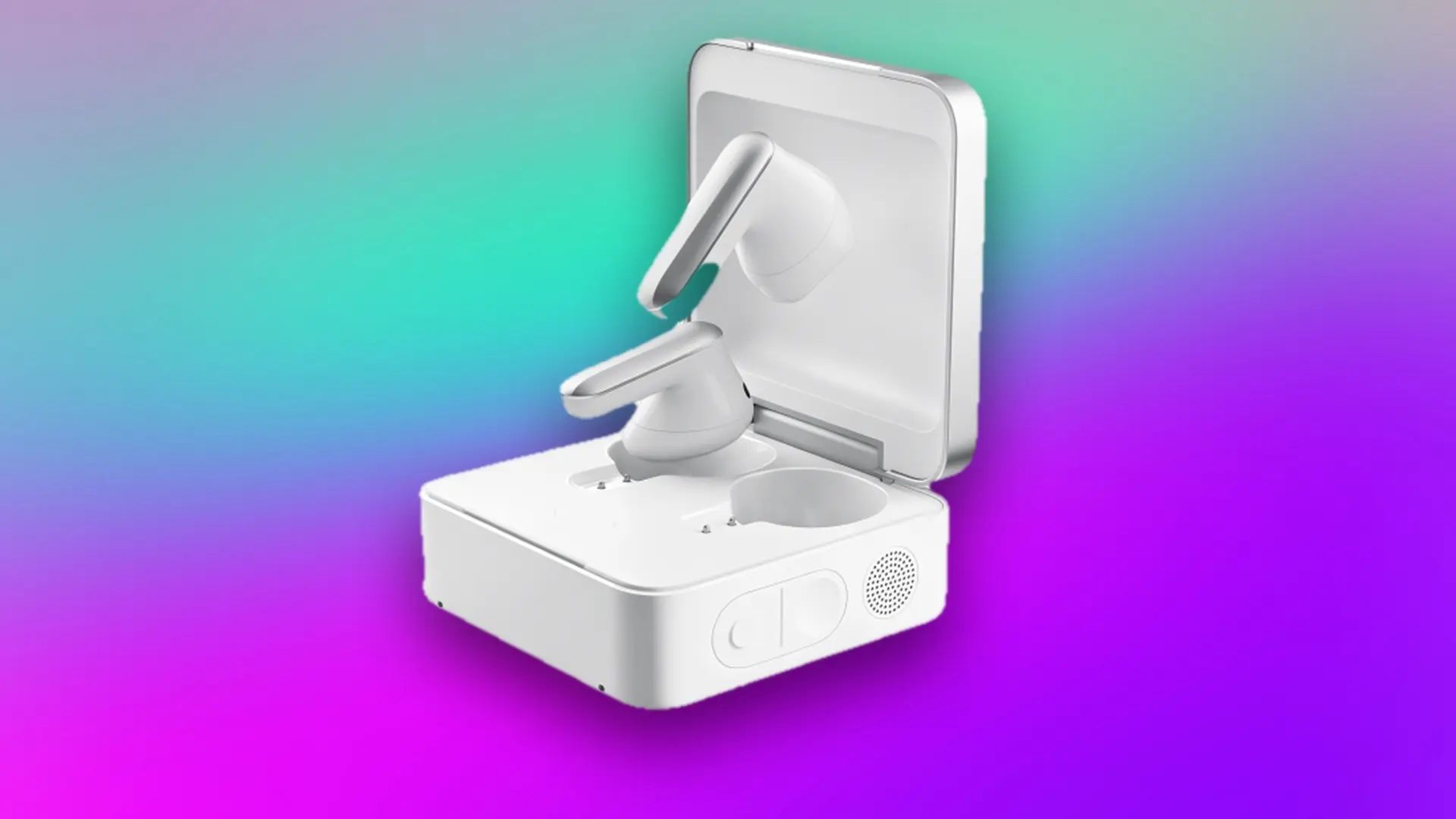 Plaud One Redefines Headphones for AI Note‑Taking
 Apple Event Logo Suggests iPhone 18 Pro May Feature New Colors and Camera Upgrade
 Plaud unveils smart earbuds that capture audio and execute tasks automatically
The startup argues that Europe lags behind Asia and North America in adopting humanoid robots for real-world tasks. Its service targets small and medium enterprises that lack robotics expertise. By removing ownership burdens, Motion hopes to demonstrate measurable productivity gains in warehouse sorting, patient assistance, and light manufacturing. The company believes recurring revenue from HaaS will create scalable, long-term client relationships. Investors cited Motion’s focus on usability and local support as key differentiators in a fragmented market. The round includes participation from Belgian angel networks and European deep-tech funds. Motion plans to launch a public demo program later this year to showcase robot capabilities in live environments. How does Motion’s Humanoids-as-a-Service model actually work in practice? Clients subscribe to a monthly plan that includes a humanoid robot, ongoing software updates, remote monitoring, and on-site technical support. Motion handles all maintenance, repairs, and upgrades, ensuring minimal downtime for users.
The robots are pre-trained for common tasks but can be customized via a simple
The robots are pre-trained for common tasks but can be customized via a simple interface for specific workflows. This reduces the need for in-house robotics engineers or specialized training. Motion says clients typically start with a three-month trial before committing to longer terms. The model shifts capital expenditure to operational expenditure, making budgeting easier for cautious adopters. What specific challenges is Motion trying to solve for European businesses? Motion identifies high initial costs, lack of technical expertise, and fear of integration complexity as the main barriers to robot adoption in Europe. Many SMEs view humanoid robots as expensive experiments rather than practical tools. The company argues that its service model turns robots into predictable, manageable operational assets. By offering local support and multilingual interfaces, Motion aims to build trust in regions where automation skepticism remains strong.
The startup also emphasizes compliance with EU safety and data protection standards as a core part of its offering. Frequently Asked Questions What kinds of tasks are Motion’s humanoid robots currently designed to perform? The robots are optimized for repetitive physical tasks such as item sorting in warehouses, guiding patients in clinics, and assisting with light assembly in manufacturing. They use vision systems and force feedback to handle objects safely and adapt to minor environmental changes. Motion continues to expand their skill set through software updates based on client feedback. How does Motion ensure data privacy and security for its clients? All robot data is processed locally on edge devices unless explicitly authorized for cloud transmission. Motion complies with GDPR and uses encrypted communication channels for remote management. Clients retain full control over what data is collected and how it is used, with clear opt-out options for non-essential monitoring.
Is the €1.7 million funding enough to scale Motion’s service across multiple European countries? The funding will cover initial expansion into Germany, France, and the Netherlands, including hiring local support teams and certifying robots for regional regulations. Motion says it aims to reach profitability through recurring revenue within 18 months, with additional funding rounds planned for broader EU rollout.