Biomimicry as a Protective Shield
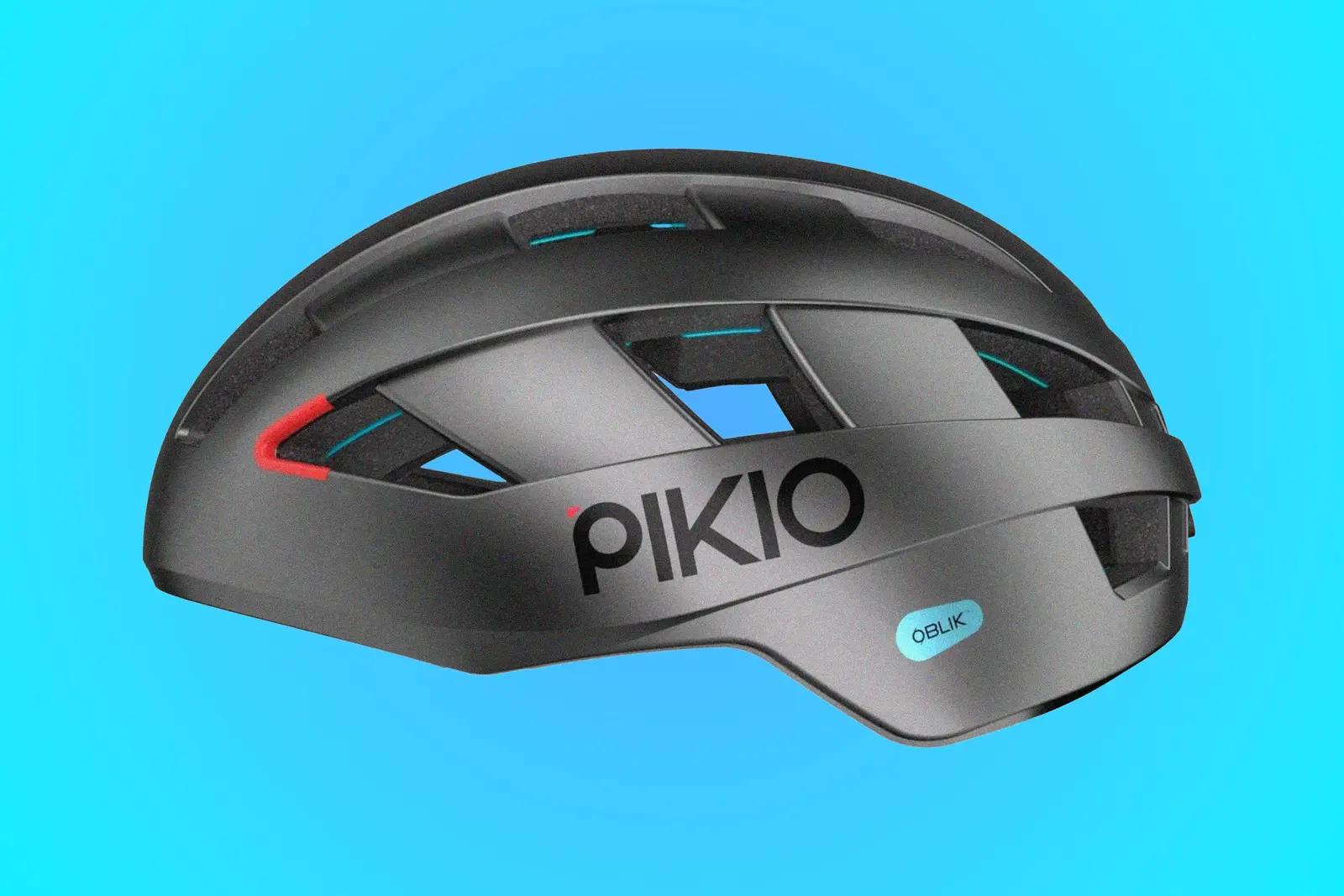
A Vancouver startup called Pikio Labs has unveiled a revolutionary bicycle helmet design that significantly improves head protection. By studying the biological mechanisms woodpeckers use to withstand high-impact pecking, engineers developed a proprietary structure. This new technology aims to redefine safety standards for cyclists globally by mimicking natural shock absorption.
Breaking news
 Town AI Secures $108 Million Series B, Valued at $1 Billion After $55 M Pre‑Series
 Apple Prepares for Major Product Launch Event on October 28
 Apple Releases Release Candidates for watchOS, tvOS and visionOS 27.2
 Apple Limits iPhone Duo and iPhone 18 Pro Max to Reservation-Only Sales in Japan and South Korea
The design team focused on the unique anatomy of woodpeckers, which endure immense force without sustaining brain injuries. Traditional helmets rely primarily on foam to absorb energy during a crash. In contrast, the Pikio Labs prototype utilizes a multi-layered system that redirects impact forces away from the skull. This approach addresses rotational trauma, a common cause of concussions that standard helmets often struggle to mitigate.
The core innovation lies in how the helmet handles sudden deceleration. The internal structure functions similarly to the woodpecker’s specialized skull and beak connection. By integrating flexible materials that move independently of the outer shell, the device dissipates energy more effectively than rigid designs. This allows the helmet to absorb kinetic energy before it reaches the wearer’s head.
Can Natural Evolution Solve Modern Safety Challenges?
Engineers at the Vancouver facility spent years testing various synthetic materials to replicate natural cushioning. They found that mimicking the bird's ability to distribute pressure across a wider surface area drastically reduced peak impact force. The resulting product is both lightweight and durable, meeting rigorous safety certifications while maintaining comfort for daily commuters and professional riders alike.
The startup believes that nature offers untapped solutions for human safety equipment. By moving away from conventional foam-based construction, the industry may see a shift toward more sophisticated, bio-inspired materials. This transition could eventually lead to thinner, lighter helmets that provide superior protection compared to current market options.
As the company prepares to scale production, the focus remains on accessibility and performance. If successful, this technology could become the benchmark for head protection in various sports beyond cycling. The team is currently exploring how these principles might be applied to other protective gear, potentially changing how society approaches injury prevention in high-risk activities.
Frequently Asked Questions
What inspired the new helmet design? The engineers drew inspiration from the anatomy of woodpeckers. They studied how these birds absorb massive amounts of force without suffering brain trauma.
How does this helmet differ from traditional models? Standard helmets typically use solid foam to absorb impact. This new design uses a multi-layered, flexible structure that mimics biological shock absorption to better manage rotational forces.
Will this technology be used for other sports? Pikio Labs is currently investigating the potential for these principles to improve protective gear in other fields. They aim to apply these findings to various types of safety equipment in the future.