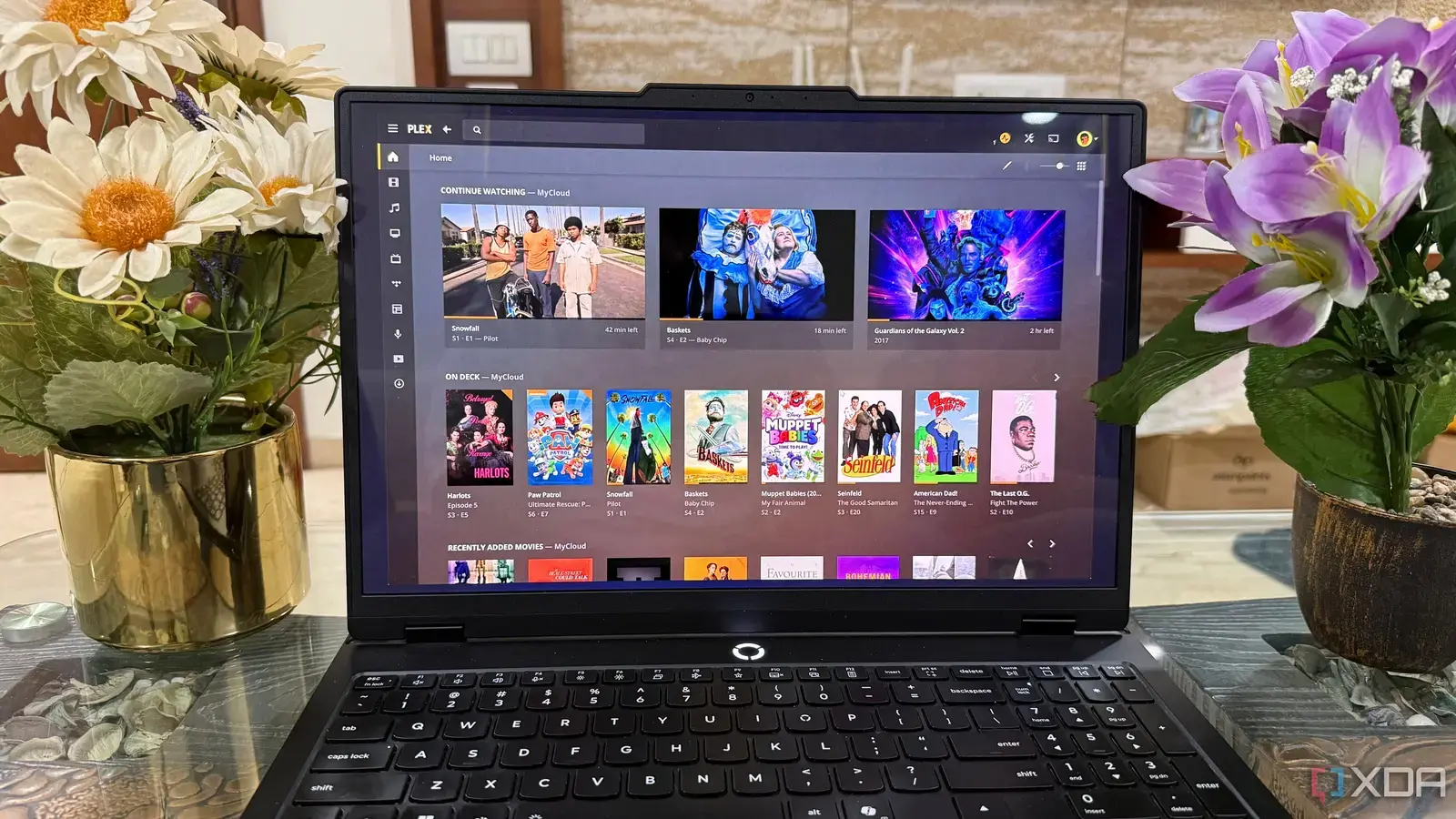
Why Permanent Licenses Offer Superior Long-Term Stability
A tech professional reflects on a software acquisition made ten years ago. This specific tool continues to function perfectly today. In contrast, modern applications rented through subscription models often break or disappear. The writer highlights a stark difference between ownership and access. This observation challenges current trends in the technology industry. It suggests that permanent licenses offer greater long-term reliability than temporary digital rentals.
Breaking news
 Town AI Secures $108 Million Series B, Valued at $1 Billion After $55 M Pre‑Series
 Apple Prepares for Major Product Launch Event on October 28
 Apple Releases Release Candidates for watchOS, tvOS and visionOS 27.2
 Apple Limits iPhone Duo and iPhone 18 Pro Max to Reservation-Only Sales in Japan and South Korea
The core issue lies in the shift from buying products to renting services. Ten years ago, users paid a single fee for a software license. They then owned the program indefinitely. Today, companies prefer recurring revenue streams. Users must pay monthly or annually to keep using basic tools. If payments stop, access vanishes immediately. This creates anxiety among consumers who rely on these platforms for work. The writer notes that the older software remains stable because it does not depend on server connections. It runs locally on the user’s device without external dependencies.
The primary advantage of a one-time purchase is independence from infrastructure changes. When a company goes bankrupt, subscription services often shut down. User data may become inaccessible or locked away. Conversely, installed software remains functional even if the developer ceases operations. The file exists on the hard drive. It can be opened and used without internet verification. This resilience is critical for professionals who need consistent tools. The writer emphasizes that this reliability was standard practice a decade ago. Now, it has become a rare exception rather than the norm. Users feel trapped in cycles of renewal fees. They worry about price hikes or feature removals. These concerns did not exist when software was treated as a tangible asset.
Is the Subscription Model Actually Better for Most Users?
Critics argue that subscriptions provide continuous updates and cloud integration. However, the writer points out the fragility of this model. Constant updates can introduce bugs or change interfaces unexpectedly. Users lose control over their workflow. The cost accumulates significantly over time. A tool costing fifty dollars per year becomes expensive after five years. The initial purchase model allowed users to budget once and forget about it. This simplicity is appealing to many professionals. They value predictability in their technical environments. The debate centers on convenience versus ownership. Convenience offers immediate access across devices. Ownership provides a safety net against corporate decisions. Both models have valid use cases depending on user needs.
The future of software distribution remains uncertain. Many developers are experimenting with hybrid models. Some offer perpetual licenses again to regain customer trust. Others stick strictly to subscription-based ecosystems. Consumers must evaluate which approach suits their workflow best. The trend shows a growing desire for stability. People are tired of digital churn. They want tools that last beyond the next fiscal quarter. This shift could influence how new products are marketed. Companies may reintroduce buy-once options to differentiate themselves. Ultimately, the choice depends on whether users prioritize flexibility or permanence. The evidence suggests that permanent tools often serve users better over long periods.
Frequently Asked Questions
Does owning software guarantee it will never stop working? No, but it increases the likelihood of continued functionality. The software remains installed on your hardware. It does not require a live server connection to launch.
Are subscriptions always more expensive than one-time purchases? Not necessarily, but they accumulate costs over time. A low monthly fee can exceed the price of a perpetual license within two to three years.
Can I switch from a subscription back to a purchased version later? Often yes, if the developer offers both models. You should check for compatibility before making a switch. Data migration may be required.