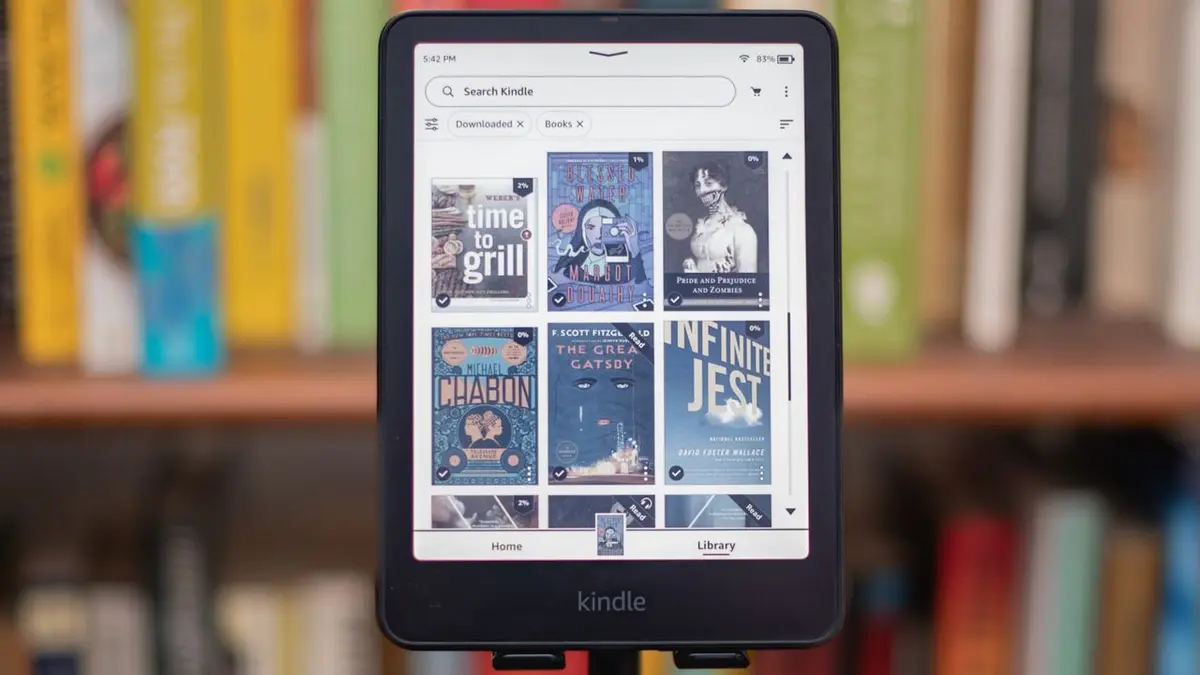
Are Kindle Users Ready to Switch?
Amazon has recently implemented tougher digital rights management (DRM) for Kindle users, causing frustration among its loyal customers. The changes, announced on August 19, 2026, affect how readers can use the e-books they purchase. The new restrictions limit the sharing and borrowing options for Kindle books, making it more challenging for users to access their content across different devices. Additionally, reports indicate that Amazon is closing a popular loophole in the Libby app that allowed users to borrow e-books more freely.
Breaking news
 Snapseed for Android Set to Enhance Features with LUT Support
 Flip Secures €22 Million to Enhance AI Platform for Frontline Workers
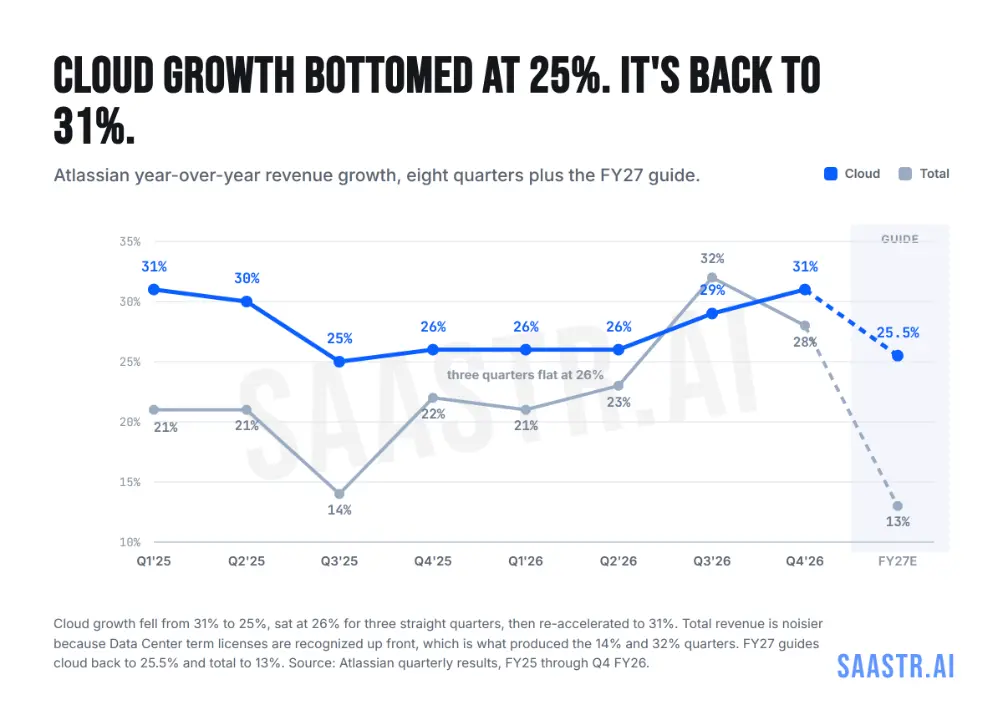 Atlassian Reports Strong Growth Amid AI Concerns, Stock Surges
 Developers Create Tools to Remove Anthropic's AI Watermark
Many Kindle owners are expressing their discontent with the recent changes. Some have taken to social media, stating they feel trapped by Amazon's policies. A growing number of users are considering alternatives, with Kobo emerging as a popular choice. „Glad I switched to Kobo,” one user remarked, highlighting the platform's more flexible policies.
The tightening of DRM is seen as a move to protect publishers and authors. However, it has sparked a debate about consumer rights and the accessibility of digital content. Critics argue that such restrictions hinder the reading experience and limit the value of digital purchases.
What Does This Mean for E-book Borrowing?
The closure of the Libby loophole is particularly concerning for avid readers who rely on libraries for e-book access. Libby, an app that connects users with library resources, has been a favorite among many. The changes mean that borrowing e-books may become less convenient, pushing users to reconsider their options.
As these restrictions take effect, Kindle users are left wondering how this will impact their reading habits. The backlash could lead to a shift in the e-reader market, as users seek platforms that offer more freedom and flexibility.
The long-term consequences of these changes remain to be seen. If dissatisfaction continues to grow, Amazon may need to reconsider its approach to DRM and user accessibility. The e-book landscape is evolving, and customer preferences will play a crucial role in shaping its future.
Frequently Asked Questions
What changes have been made to Kindle's DRM? Amazon has introduced stricter digital rights management, limiting how users can share and borrow e-books.
How does this affect Libby app users? The popular loophole for borrowing e-books through the Libby app is reportedly being closed, making it less convenient for users to access library resources.
Are users considering alternatives to Kindle? Yes, many Kindle users are exploring options like Kobo, which offers more flexible borrowing and sharing policies.