A Game-Changing Cache Technology
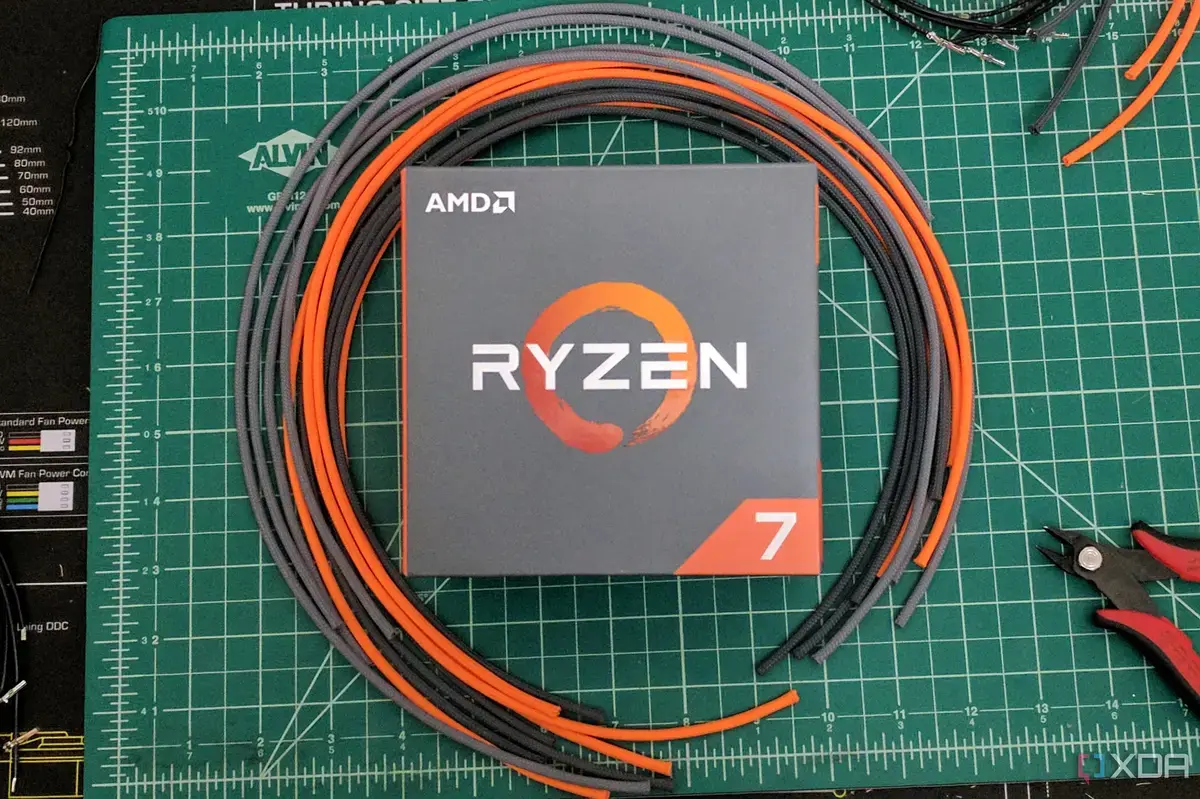
AMD released the Ryzen 7 5800X3D in 2022, a CPU that revitalized the AM4 platform after nearly seven years. This processor was part of AMD's Ryzen 5000 series.
Breaking news
 China’s Tech Titans Spend $35 B on Nvidia RTX Pro 5500 GPUs
 Qualcomm to Execute Global Layoffs Following Annual Performance Reviews
 Salesforce to Buy Braze for $5.7 Billion
 Microsoft expands sovereign cloud with EU access controls and offline AI
The 5800X3D was significant because it introduced AMD's 3D V-Cache technology, stacking cache memory on top of the CPU die. This innovative design greatly improved gaming performance.
The 3D V-Cache technology used in the 5800X3D allowed for a substantial increase in cache memory, resulting in improved performance in gaming workloads. By stacking cache memory directly on the CPU, AMD was able to reduce latency and increase bandwidth.
Was 3D V-Cache Just a Novelty?
The success of the 5800X3D validated AMD's approach to using 3D V-Cache technology. It showed that this technology could provide significant performance gains.
The 5800X3D's success was not limited to its performance. It also breathed new life into the AM4 platform, extending its lifespan. The CPU's compatibility with existing AM4 motherboards made it an attractive upgrade option for users.
The Ryzen 7 5800X3D's impact will be felt in the CPU market for years to come. Its success has paved the way for future innovations in CPU design.
Frequently Asked Questions
What made the Ryzen 7 5800X3D unique? The 5800X3D was the first consumer CPU to utilize AMD's 3D V-Cache technology, significantly improving gaming performance.
How did the 5800X3D affect the AM4 platform? The 5800X3D extended the lifespan of the AM4 platform by providing a compelling upgrade path for users with existing AM4 motherboards.
What is the significance of 3D V-Cache technology? 3D V-Cache technology allows for the stacking of cache memory on the CPU die, reducing latency and increasing bandwidth, resulting in improved performance.