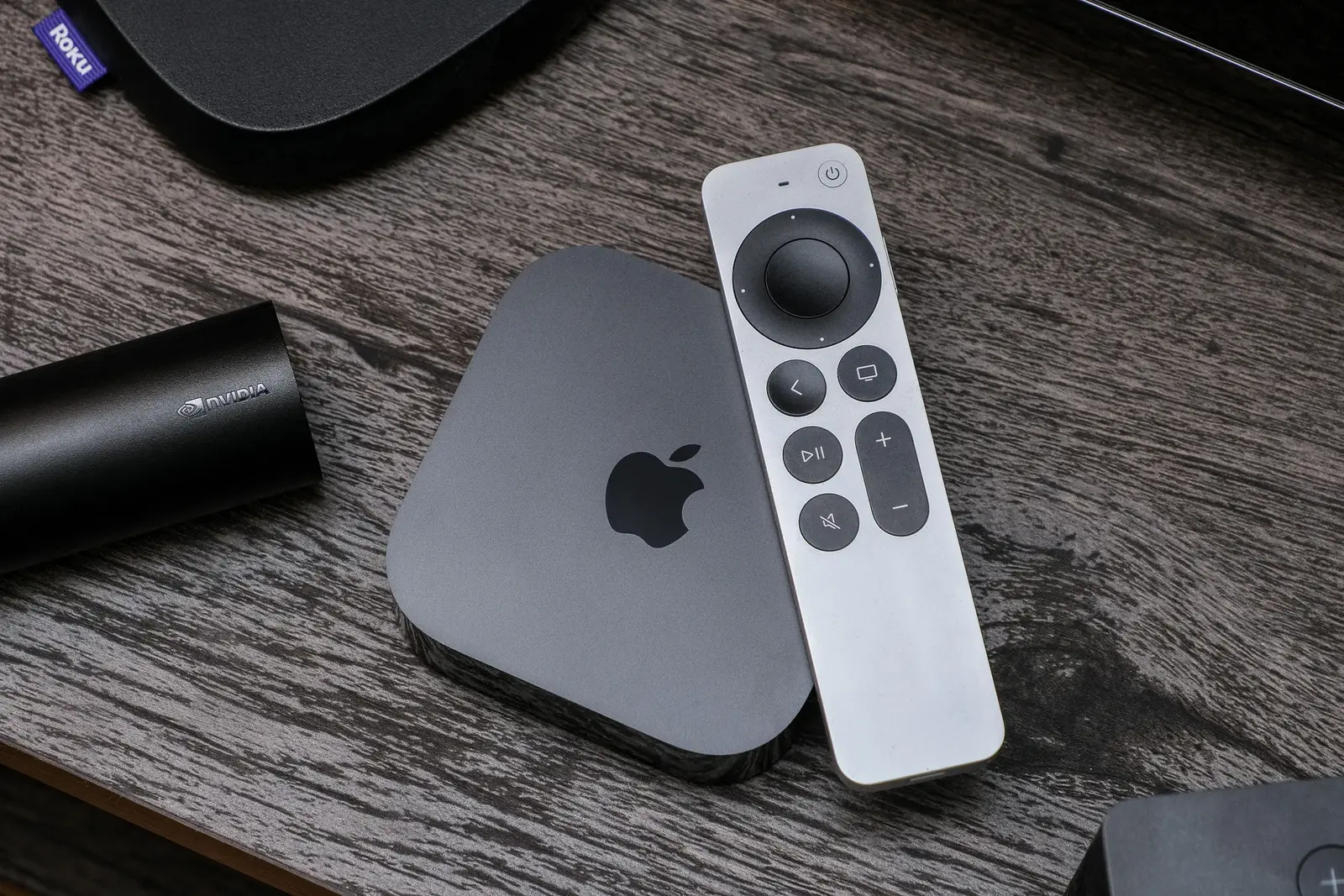
Voice Control Without the Remote
Apple is reportedly adding a built‑in microphone to its next Apple TV model, while the remote will feature an integrated speaker. The move aims to let users control the device with Siri without speaking into the remote or a HomePod, and could transform the Apple TV into a basic smart‑home hub.
Breaking news
 Canonical’s Web Presence Hit by Second DDoS Assault This Year
 Loops AI Secures $3.5 Million to Power a New AI Operating System for E‑Commerce
 Winverse AI Secures Tens of Millions in Seed Funding from DeepSeek and Long‑Z
 Google Adds Pixel 9 Series to Certified Refurbished Store
The new microphone would allow voice commands to be issued directly from the TV’s front panel, eliminating the need for the current remote’s mic button. The upgraded remote’s speaker would provide audible feedback, such as Siri responses and navigation prompts, improving accessibility for users who cannot see the screen.
Apple has long relied on the remote’s microphone for Siri interactions. By embedding a mic in the TV itself, the company could streamline the user experience. Users could say „Hey Siri, turn on the living room lights” and have the Apple TV process the request instantly. The feature would also support hands‑free navigation of the interface, making it easier for people with mobility challenges.
Smart‑Home Hub Potential
Apple’s design team reportedly plans to place the microphone near the TV’s power button, a spot that already houses a small speaker for the remote. This integration would keep the TV’s exterior sleek while adding functionality. The speaker in the remote would play Siri’s responses and provide audio cues, reducing the need to stare at the screen for confirmation.
The built‑in mic could position the Apple TV as a simple smart‑home controller. By connecting to thermostats, smart plugs, and other HomeKit devices, the TV could issue commands like „Set the thermostat to 72 degrees” or „Turn off the kitchen lights.” This would give users a single device to manage multiple home systems, similar to what Amazon Echo or Google Nest do.
Industry analysts suggest that the Apple TV could become a „second‑screen” hub, complementing the HomePod and Apple Watch. The TV would act as a central point for voice commands, especially in rooms where the HomePod is not present. It would also allow users to control smart devices from the living room without needing to pull out their phone.
Will It Replace the Remote?
The speaker‑enabled remote raises questions about its role in the new setup. Will the remote still be necessary if the TV can respond to voice commands directly? Some reviewers argue that the remote will remain useful for fine‑grained navigation and for users who prefer tactile controls. Others point out that the added speaker could reduce the need for the remote’s own microphone, simplifying the design.
Apple has not confirmed the rumors, but insiders say the company is testing prototypes. If the new Apple TV launches in early 2026, consumers could see a device that blends media playback with smart‑home management. The combination of a built‑in mic and speaker‑enabled remote could set a new standard for home entertainment systems.
Frequently Asked Questions
Will the new Apple TV support all HomeKit devices? Yes, it will be compatible with any HomeKit‑enabled product, allowing users to control lights, thermostats, and more through voice commands.
Does the remote still need a microphone? The remote will retain a microphone for backup, but the TV’s built‑in mic will handle most voice interactions, reducing reliance on the remote.
Will the speaker in the remote affect battery life? Apple has not disclosed battery impact, but early prototypes suggest minimal power consumption, keeping the remote’s lifespan comparable to current models.