How the A20 Pro Outperforms Desktop Chips
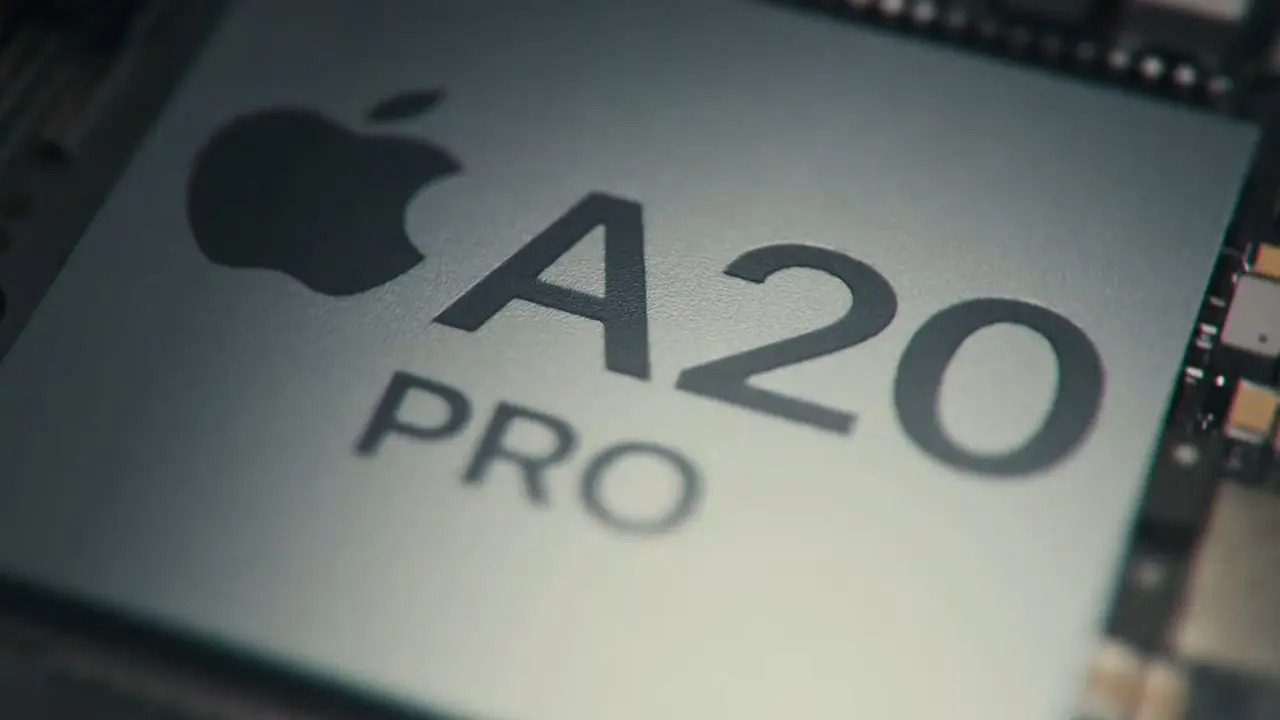
Apple's latest A20 Pro system-on-chip, featured in the company's newest i Phone models, has achieved a record-breaking score in Geekbench 7's single-core test, surpassing even high-end desktop processors from Intel and AMD. The chip delivers up to 32% better single-threaded performance compared to top-tier desktop CPUs, marking a significant leap in mobile processor capabilities.
Breaking news
 Town AI Secures $108 Million Series B, Valued at $1 Billion After $55 M Pre‑Series
 Apple Prepares for Major Product Launch Event on October 28
 Apple Releases Release Candidates for watchOS, tvOS and visionOS 27.2
 Apple Limits iPhone Duo and iPhone 18 Pro Max to Reservation-Only Sales in Japan and South Korea
This performance gain stems from architectural refinements and substantially increased clock speeds in the A20 Pro, which Apple designed using its advanced 2-nanometer process technology. These improvements allow the chip to handle demanding tasks more efficiently than previous generations while maintaining power efficiency suitable for smartphones. The results highlight Apple's continued lead in mobile silicon innovation, narrowing the performance gap between mobile and desktop computing.
Can Smartphone Chips Really Replace Desktop Processors?
The A20 Pro's single-core strength comes from a combination of higher instruction throughput and optimized core design, enabling faster execution of individual tasks. Unlike desktop chips that prioritize sustained multi-core workloads, Apple's focus on peak single-thread performance benefits everyday i Phone activities like app launching, web browsing, and gaming. Benchmark data shows the A20 Pro exceeding the single-core scores of Intel's Core i9-14900K and AMD's Ryzen 9 7950X by notable margins, despite operating within strict thermal and power constraints of a smartphone.
While the A20 Pro excels in single-threaded benchmarks, it still lags behind desktop CPUs in multi-core performance and sustained workloads due to thermal limitations. Desktop processors benefit from larger cooling solutions and higher power budgets, allowing them to maintain peak performance over extended periods. However, for typical user interactions that rely on quick bursts of speed, the A20 Pro delivers desktop-competitive responsiveness, challenging assumptions about where high-performance computing belongs.
What makes the A20 Pro faster than previous Apple chips? The A20 Pro features architectural upgrades and higher clock speeds enabled by the 2nm manufacturing process, improving instruction efficiency and peak performance.
Frequently Asked Questions
Does this mean i Phones are now faster than laptops? In single-threaded tasks like app responsiveness or web browsing, yes — the A20 Pro matches or exceeds many laptop processors, though laptops still lead in multi-heavy workloads like video rendering.
Will this performance lead to better battery life? Despite higher speeds, the 2nm process improves energy efficiency, allowing the A20 Pro to deliver more performance per watt, which can translate to longer battery life under similar usage.