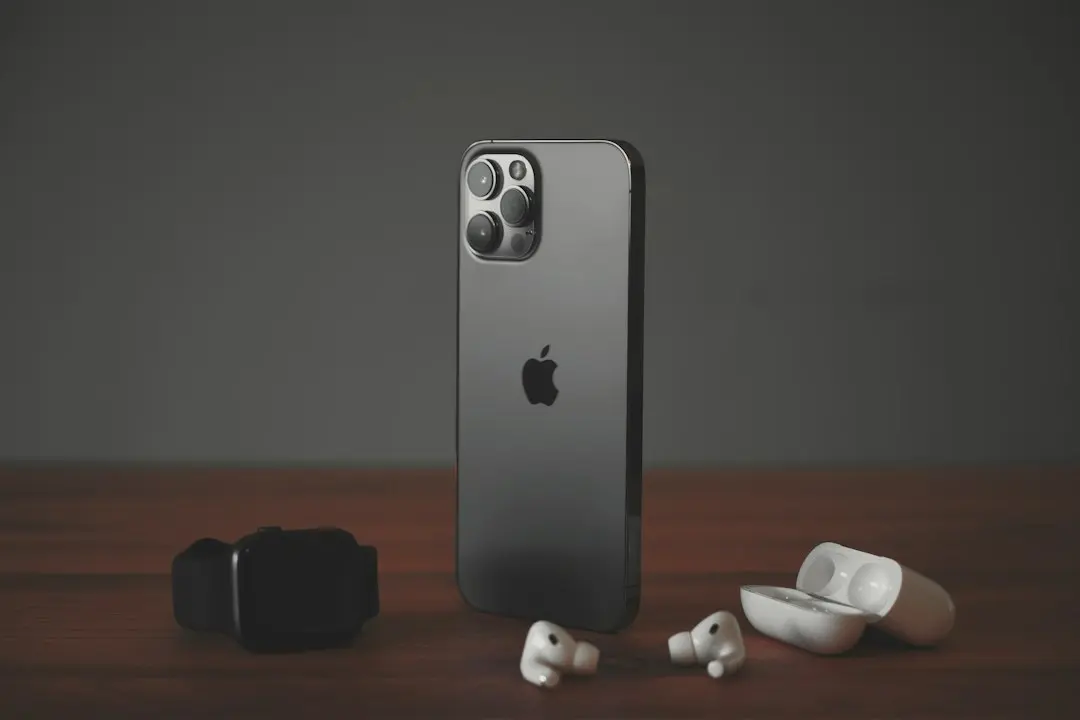
Is Thinner Always Better for Smartphones?
Apple is reportedly developing an even thinner version of its i Phone Air 2, with rumors suggesting a thickness of just 5.2 millimeters. This would make the device slimmer than its predecessor, which already pushed the boundaries of compact design. The leak originated from supply chain sources and surfaced in early October 2026, sparking debate among tech analysts about the practical limits of smartphone miniaturization. While Apple has not confirmed the specifications, the claim aligns with the company’s historical focus on sleek aesthetics.
Breaking news
 Canonical’s Web Presence Hit by Second DDoS Assault This Year
 Loops AI Secures $3.5 Million to Power a New AI Operating System for E‑Commerce
 Winverse AI Secures Tens of Millions in Seed Funding from DeepSeek and Long‑Z
 Google Adds Pixel 9 Series to Certified Refurbished Store
The pursuit of extreme thinness raises questions about trade-offs in battery capacity, structural durability, and thermal management. A 5.2mm profile would require significant internal reengineering, potentially reducing space for components like the battery or camera system. Critics argue that such a design may compromise real-world usability, especially as consumers increasingly demand longer battery life and robust performance. Apple’s engineering teams would need to innovate in materials and layout to maintain functionality without sacrificing the slim form factor.
What Could This Mean for Future i Phone Models?
Industry experts are divided on whether reducing thickness enhances user experience or merely serves as a marketing tactic. Some note that beyond a certain point, gains in thinness offer diminishing returns while increasing fragility and repair complexity. Others believe Apple’s brand loyalty allows it to prioritize design leadership, even if it means incremental functional compromises. The company has previously removed features like the headphone jack to achieve thinner profiles, suggesting a willingness to make bold design choices.
If the i Phone Air 2 achieves a 5.2mm thickness, it may set a new benchmark for premium smartphones, influencing competitors to follow suit. However, success will depend on whether Apple can balance aesthetics with core user needs like battery life and camera quality. A misstep could lead to consumer pushback, particularly if the device feels fragile or underperforms in daily use. Conversely, a successful launch could reinforce Apple’s reputation for pushing design boundaries, even as it navigates growing scrutiny over sustainability and repairability.
How thin is the current i Phone Air 2 compared to the rumored model? The current i Phone Air 2 measures approximately 6.1 millimeters in thickness, making the rumored 5.2mm version nearly a full millimeter slimmer. This reduction would represent one of the most significant year-over-year thinness improvements in recent i Phone history.
Frequently Asked Questions
Will the thinner design affect battery life? A thinner chassis typically allows less space for a large battery, which could result in reduced capacity unless Apple uses higher-density cells or optimizes power efficiency elsewhere. The company has not disclosed how it plans to address this potential trade-off.
Is Apple likely to sacrifice camera quality for thinness? While possible, Apple has historically maintained strong camera performance even in thinner devices through advanced sensor stacking and computational photography. Any redesign would likely aim to preserve imaging capabilities despite tighter internal constraints.