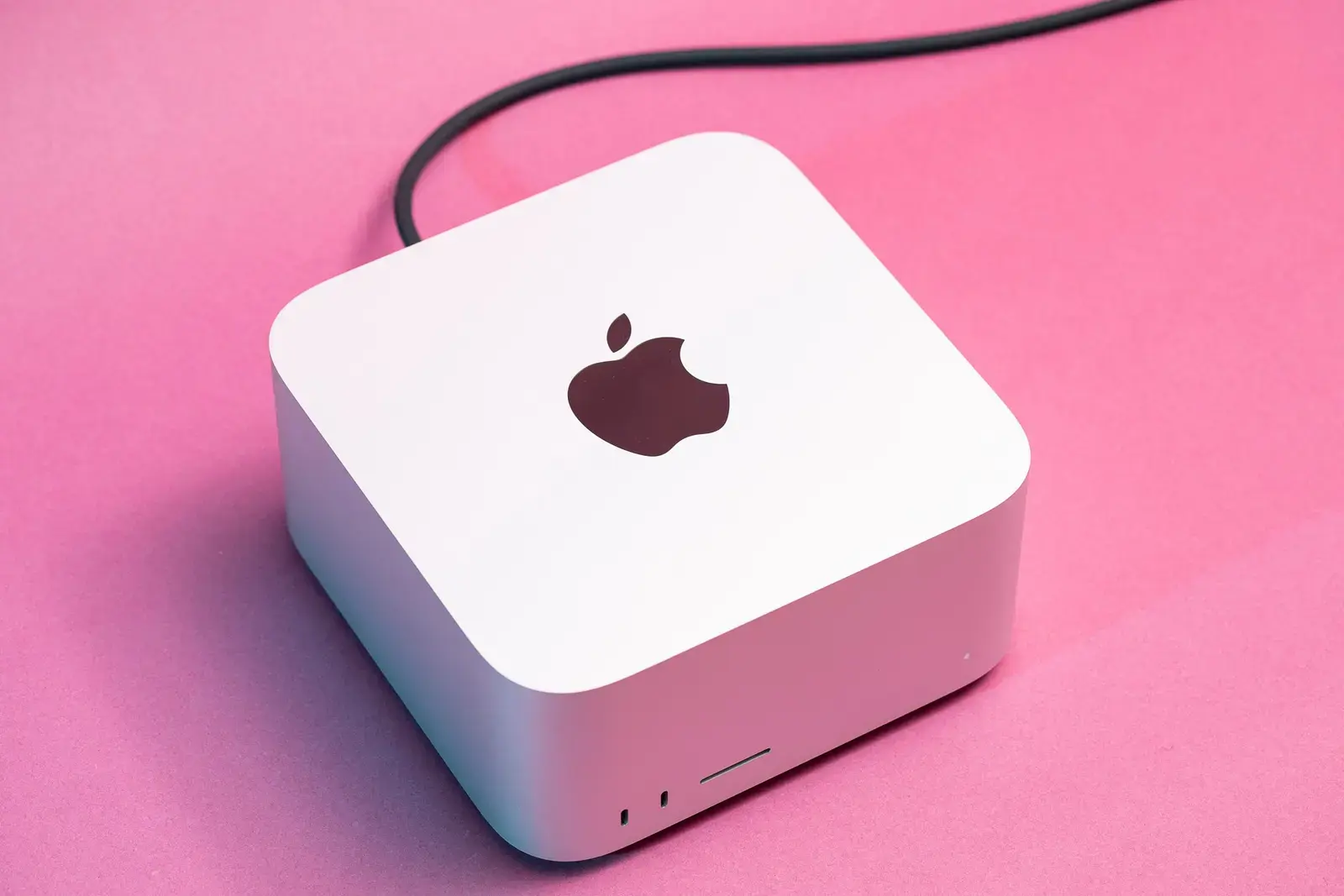
Redefining the Role of Computing Hardware
John Ternus, Apple’s newly appointed Chief Executive Officer, delivered his first major keynote address without explicitly naming the Apple Home platform. However, his opening remarks strongly suggested that the company’s next generation of computers will prioritize integration into residential spaces rather than traditional desk setups. This strategic pivot marks a significant departure from previous product cycles.
Breaking news
 Canonical’s Web Presence Hit by Second DDoS Assault This Year
 Loops AI Secures $3.5 Million to Power a New AI Operating System for E‑Commerce
 Winverse AI Secures Tens of Millions in Seed Funding from DeepSeek and Long‑Z
 Google Adds Pixel 9 Series to Certified Refurbished Store
The announcement came during a high-profile event where Ternus outlined his vision for Apple’s hardware roadmap. While he avoided using the specific term „Apple Home,”the context of his presentation made the intent clear. He emphasized the need for devices that blend seamlessly into living environments. This approach aims to reduce visual clutter while enhancing user interaction through ambient computing capabilities. The shift reflects a broader industry trend toward invisible technology embedded within physical structures.
Ternus argued that modern users spend less time staring directly at screens and more time interacting with voice assistants and automated routines. Consequently, the next Mac models may feature smaller form factors or entirely new designs optimized for wall mounting or discreet placement. These devices would likely rely heavily on spatial awareness and sensor arrays to detect presence and activity. Such changes could eliminate the need for external monitors and keyboards in many households. The goal is to make the computer an intuitive background element rather than a foreground tool.
Will This Change How We Buy Computers?
This strategy aligns with Apple’s long-term investment in machine learning and on-device processing. By moving computation closer to the user’s daily life, the company hopes to create a more responsive ecosystem. Developers will likely receive new APIs tailored for low-power, always-on states. These updates would allow applications to run continuously without draining battery life or generating excess heat. The hardware architecture must support sustained performance while maintaining energy efficiency standards.
Consumers have historically purchased Macs based on raw processing power and display quality. A focus on smart home integration might alter these buying criteria significantly. Buyers may prioritize connectivity options, sensor compatibility, and aesthetic design over benchmark scores. This shift could appeal to a broader demographic that finds traditional desktops bulky or intimidating. It also positions Apple to compete more aggressively in the consumer electronics market beyond its core enthusiast base.
Critics note that successful smart home adoption requires robust internet infrastructure and reliable local networks. Apple must ensure its devices can function effectively even when cloud services are unavailable. Local processing capabilities will become a key selling point for privacy-conscious users. The company will need to balance performance demands with thermal constraints inherent in compact, passive-cooling designs.
Frequently Asked Questions
Does this mean the MacBook Pro will disappear? Not necessarily, but future Macs may include specialized models designed specifically for home use. These variants would differ from portable laptops in their power management and input methods.
How will this affect existing Apple Home setups? Current devices will remain compatible, but new features may require the updated hardware for optimal performance. Users can expect improved automation triggers and faster response times.
When will these new computers launch? Apple has not announced a specific release date yet. Industry analysts predict a reveal within the next two fiscal years following software updates.